Case study UK
Cairngorms snow albedo
Scottish Highlands
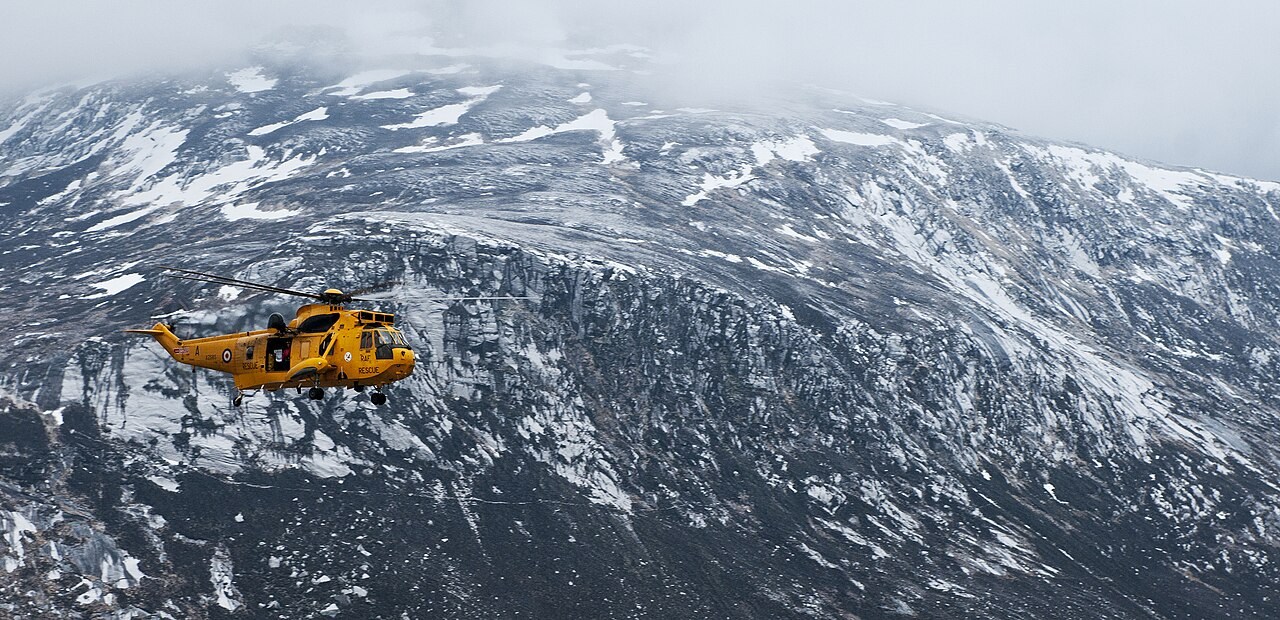
Snow-covered and snow-free ground in the Cairngorms reflect different amounts of sunlight. Their contrast makes the role of albedo visible in a familiar landscape.
Preparing map style and visible tiles…
Location: 57.08°, -3.67°
Fresh snow generally reflects a much larger fraction of sunlight than dark exposed ground. When snow cover changes, the fraction of incoming solar energy absorbed by the landscape changes too. The effect also depends on cloud, solar angle and snow condition.
Compare the two surfaces in the energy-budget model while keeping incoming sunlight constant. Ask students to explain the difference in absorption before changing another variable, such as cloud or surface temperature.
Exam-style question
Why does a snow-covered Cairngorm plateau heat the air less than a snow-free peat surface under the same incoming solar radiation?
Teacher hint: At the same incoming sunlight, a higher albedo means more reflection and less absorption by the surface.
Process labs
Sources
- Met Office / CEH snow and peat