Explore Earth and Sun
Earth-motion calculator
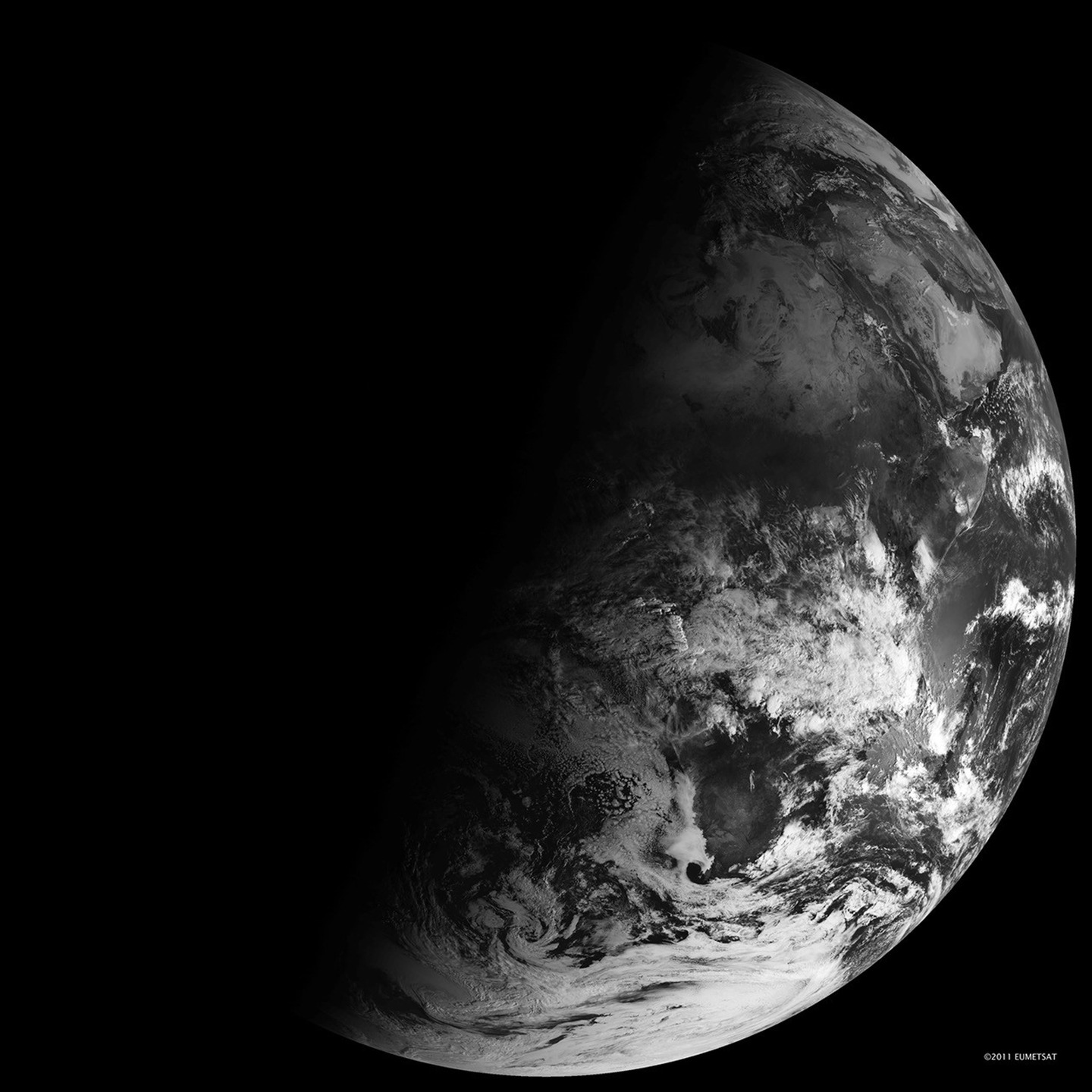
Move through the year, compare two latitudes, then change the time of day. The readings and illuminated hemisphere use the same solar geometry.
These dates provide seasonal reference points. The exact equinox and solstice times vary by year.
By default, sunrise occurs when the Sun’s centre crosses a level horizon. The −0.833° option accounts approximately for atmospheric refraction and the Sun’s visible disc; the globe still shows the geometric day–night boundary.
12:00 UTC · 2026-06-21
Subsolar latitude 23.44°
Drag to rotate the globe. Use Ctrl + scroll or pinch to zoom, and click Earth to move place A.
- Place A
- Place B
- Day–night boundary
A · 51.51°N 0.13°W
London
16.41 h
Daylight
61.9°
Sun altitude now
- Noon altitude
- 61.9°
- Solar noon (UTC)
- 12:02
- Sunrise (UTC)
- 03:50
- Sunset (UTC)
- 20:15
- Equation of time
- -1.82 min
B · 33.87°S 151.21°E
Sydney
9.74 h
Daylight
-62.4°
Sun altitude now
- Noon altitude
- 32.7°
- Solar noon (UTC)
- 01:57
- Sunrise (UTC)
- 21:05 (-1 day)
- Sunset (UTC)
- 06:49
- Equation of time
- -1.82 min
Difference (A − B): daylight 6.66 h ; noon solar altitude 29.2°. Longitude changes the UTC time of noon; latitude and declination control the daylight span.
Daylight during 2026 (hours)
- A: London
- B: Sydney
- Selected date
Read the geometry
Noon altitude = 90° − |latitude − declination|. Negative altitude means the Sun remains below the horizon at noon. At 0° tilt, most latitudes receive twelve geometric daylight hours; the poles are a special horizon boundary.
Solar noon in UTC = 12 h − longitude/15 − equation of time/60. Positive equation of time means the apparent Sun is ahead of mean solar time. All event times here are UTC, with day offsets shown; civil time zones and daylight saving are not applied.
Calculations cover 1901–2099 and use daily declination at 12:00 UTC. Local hills, observer height and weather are not included. Read the NOAA / Meeus method. Explore solar altitude →