Case study UK
Moonrise, Snowdonia
Eryri
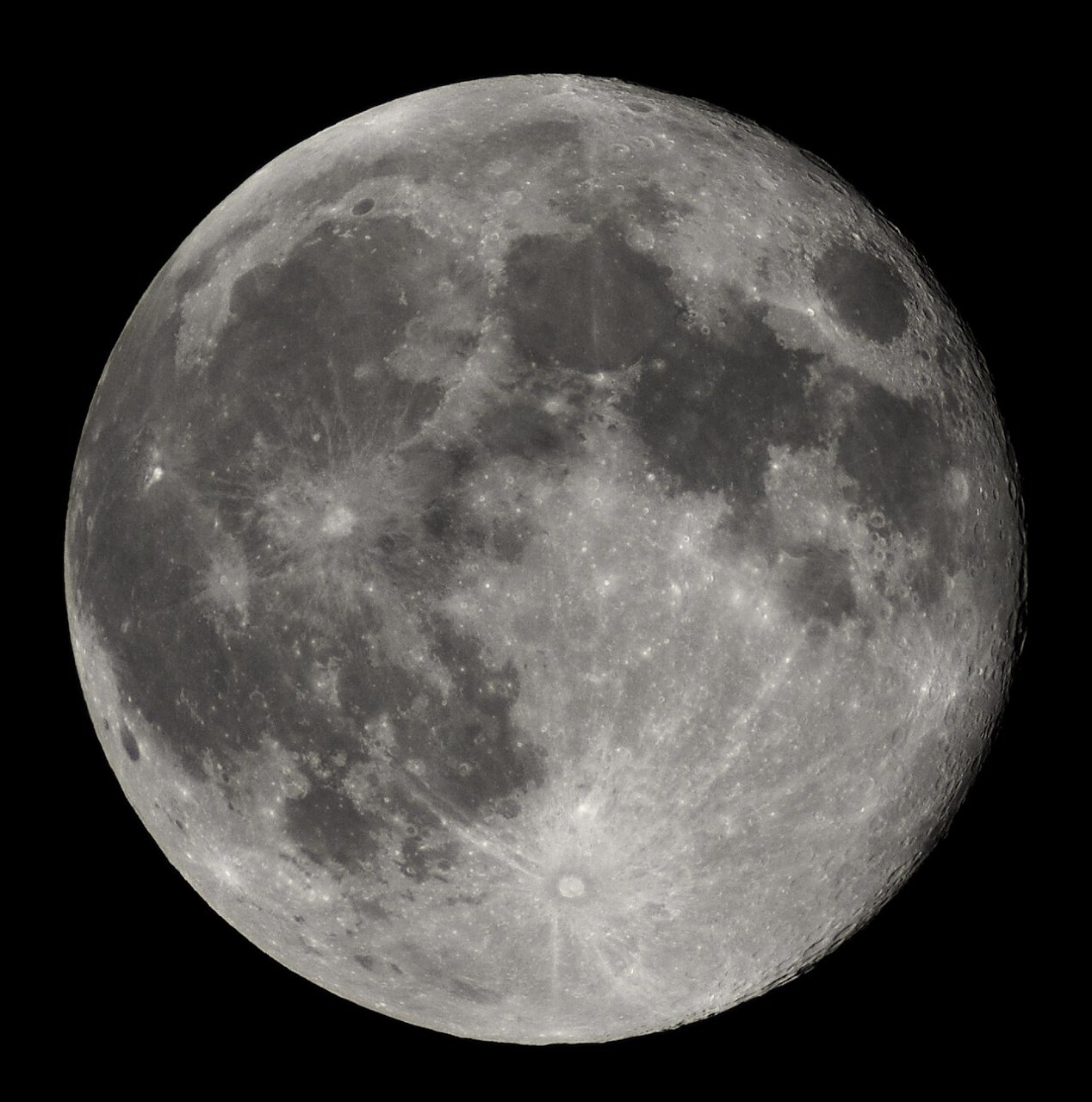
The Moon’s phase depends on the Sun–Earth–Moon geometry. Observers in Eryri and California see nearly the same phase even though their clocks and horizons differ.
Preparing map style and visible tiles…
Location: 53.07°, -4.08°
The Moon is always lit on the side facing the Sun. Its phase describes how much of that illuminated half is visible from Earth. A full Moon is approximately opposite the Sun in the sky, rather than being illuminated by Earth’s shadow.
Use the Moon model to compare phase with the Moon’s position above a local horizon. Longitude and Earth’s rotation affect when it is visible, while the phase changes much more slowly over the month.
Exam-style question
Why can two observers, one in Snowdonia and one in Yosemite, see the same lunar phase on the same date but at different clock times?
Teacher hint: Separate the viewing geometry that produces lunar phase from the rotation and longitude that determine local viewing time.
Process labs
Sources
- NASA Moon phases