Case study US
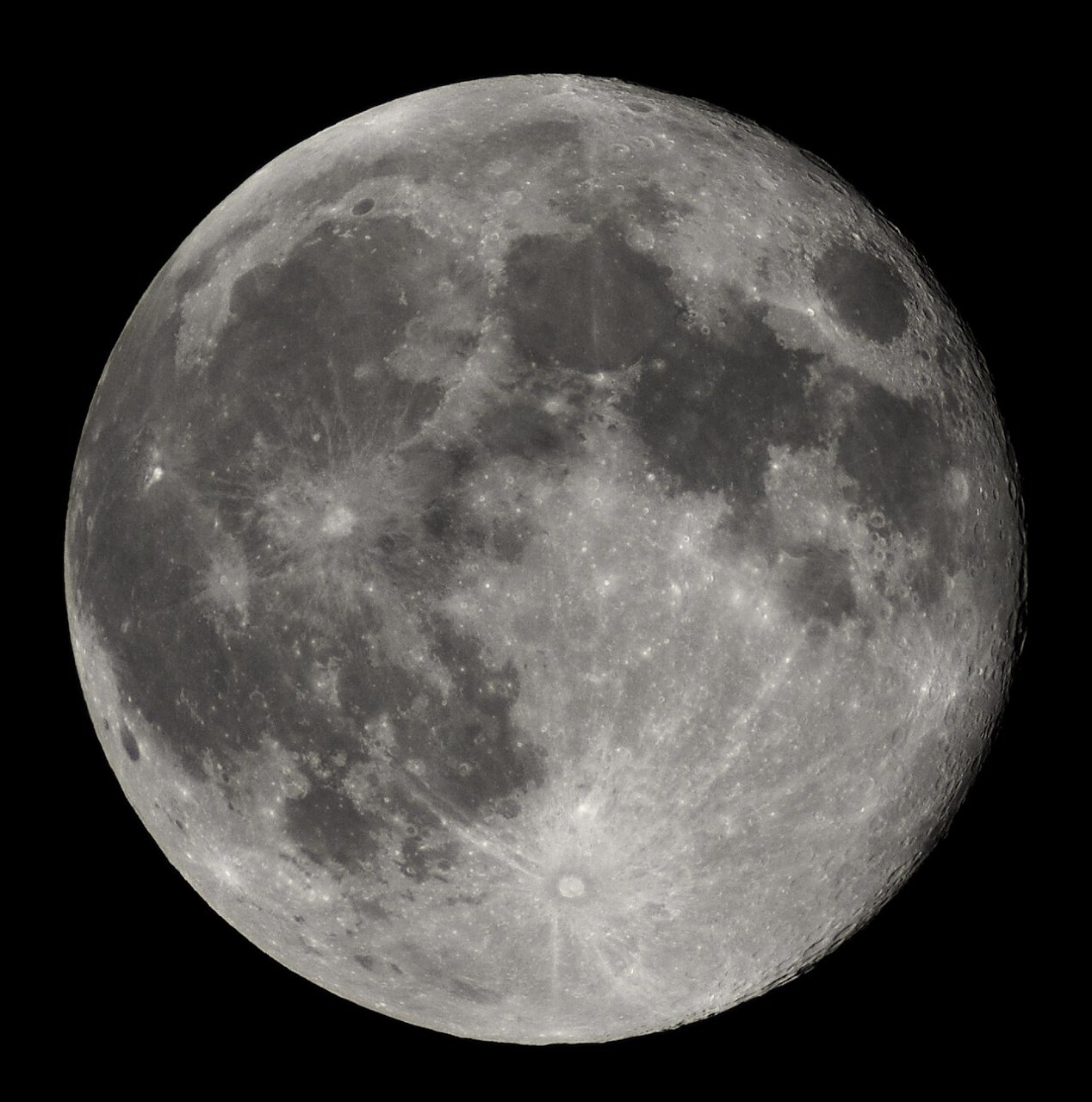
Full Moon, Yosemite
Yosemite Valley
Seeing a full Moon above Yosemite’s cliffs depends on lunar phase, its path across the sky and the observer’s viewpoint. An eclipse requires an additional alignment.
Preparing map style and visible tiles…
Location: 37.74°, -119.57°
At full Moon, the Moon is approximately opposite the Sun as seen from Earth. A mountain can delay its appearance above the visible horizon, so landscape photographs depend on both astronomical geometry and the local line of sight.
Most full Moons pass above or below Earth’s shadow because the lunar orbit is inclined. Use the eclipse model to locate an orbital node and explain why a full Moon alone is not enough for a lunar eclipse.
Exam-style question
Why is a full Moon necessary but not sufficient for a lunar eclipse?
Teacher hint: A lunar eclipse needs a full Moon close enough to an orbital node for it to pass through Earth’s shadow.
Process labs
Sources
- NASA / NPS