Realm
Planet
Earth moves through space
Explore how Earth’s motion and its relationship with the Sun and Moon produce days, seasons, phases and eclipses.
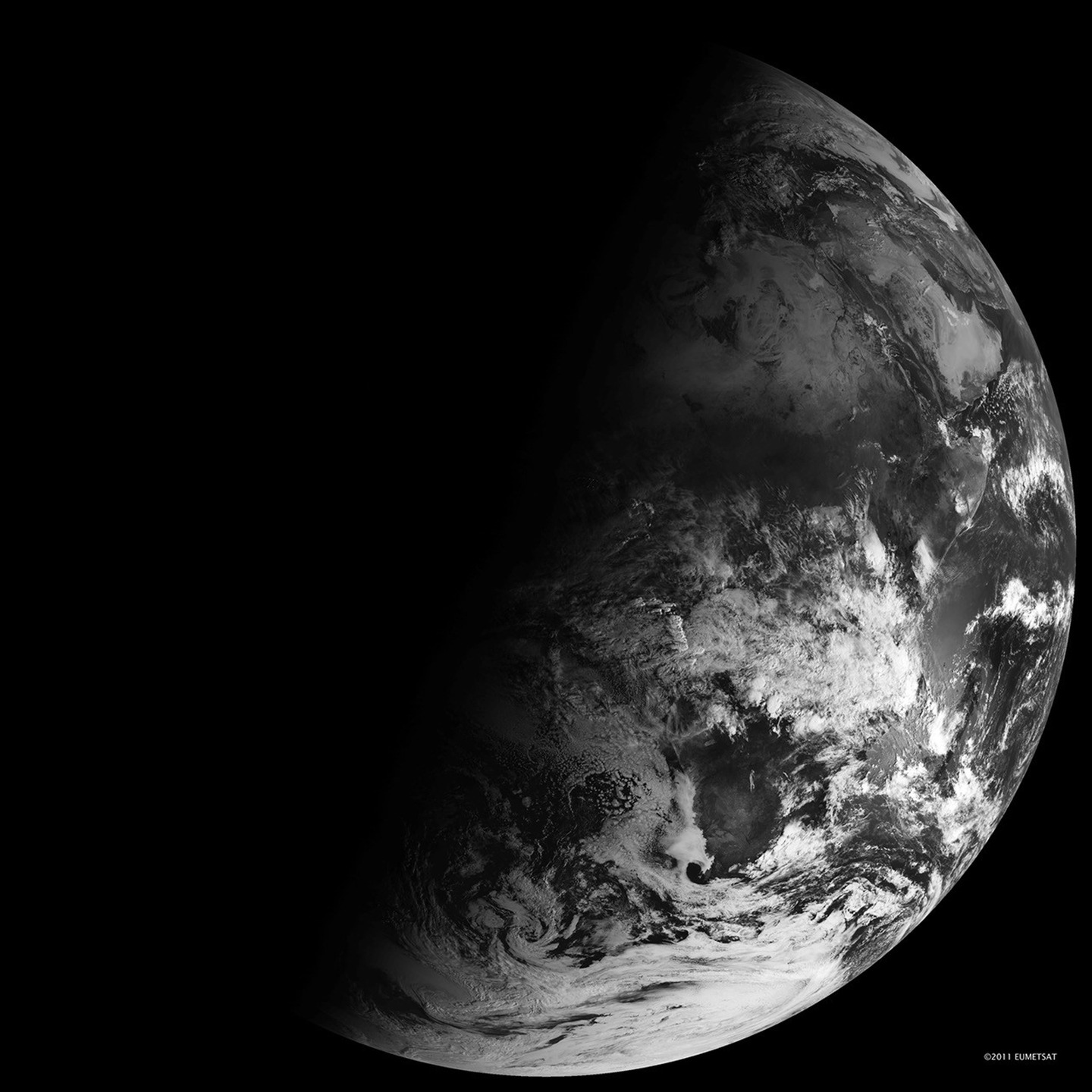
Why seasons happen
Earth’s tilted axis changes the angle of sunlight and the length of the day as Earth travels around the Sun.
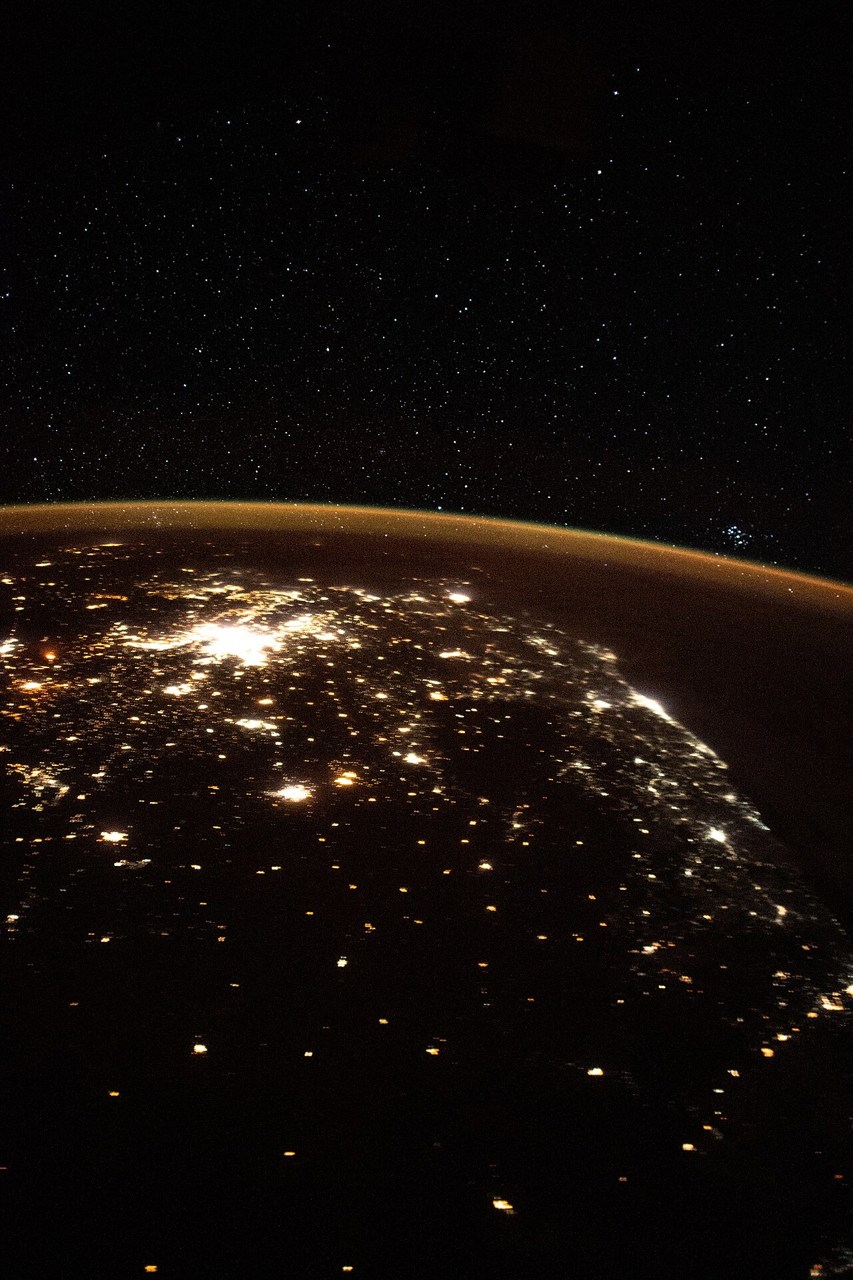
Earth rotation and the terminator
Earth turns eastward, carrying each location into sunlight and then darkness.
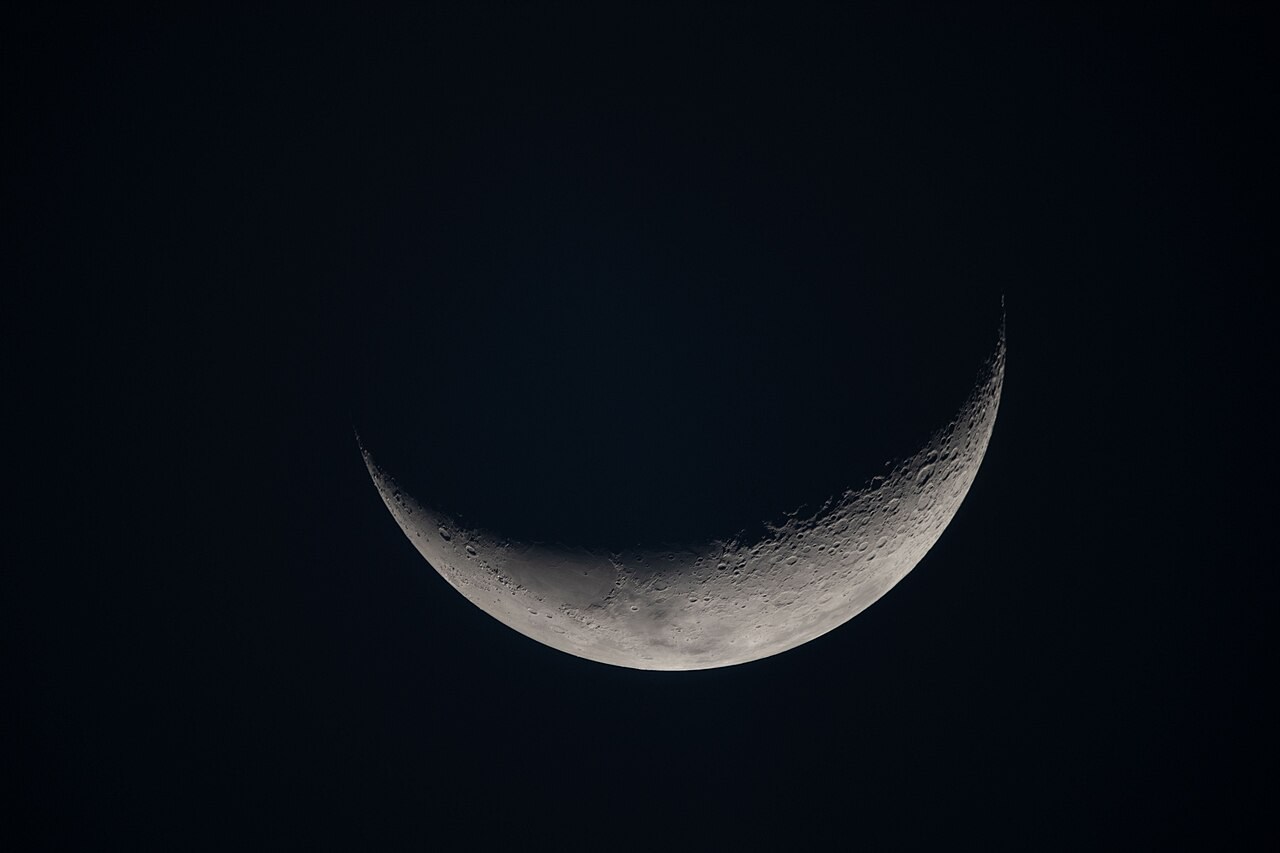
Moon phases and Sun–Earth–Moon geometry
Sunlight illuminates half the Moon.
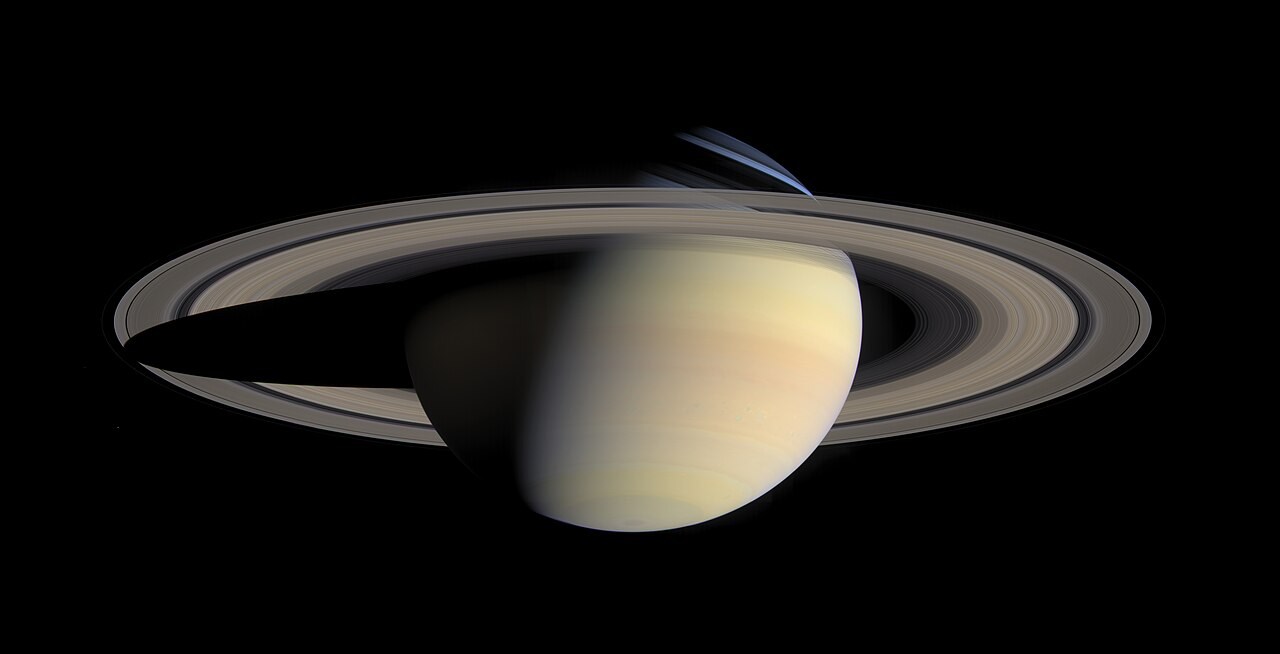
Solar system
Planets differ enormously in size, orbital distance and period.
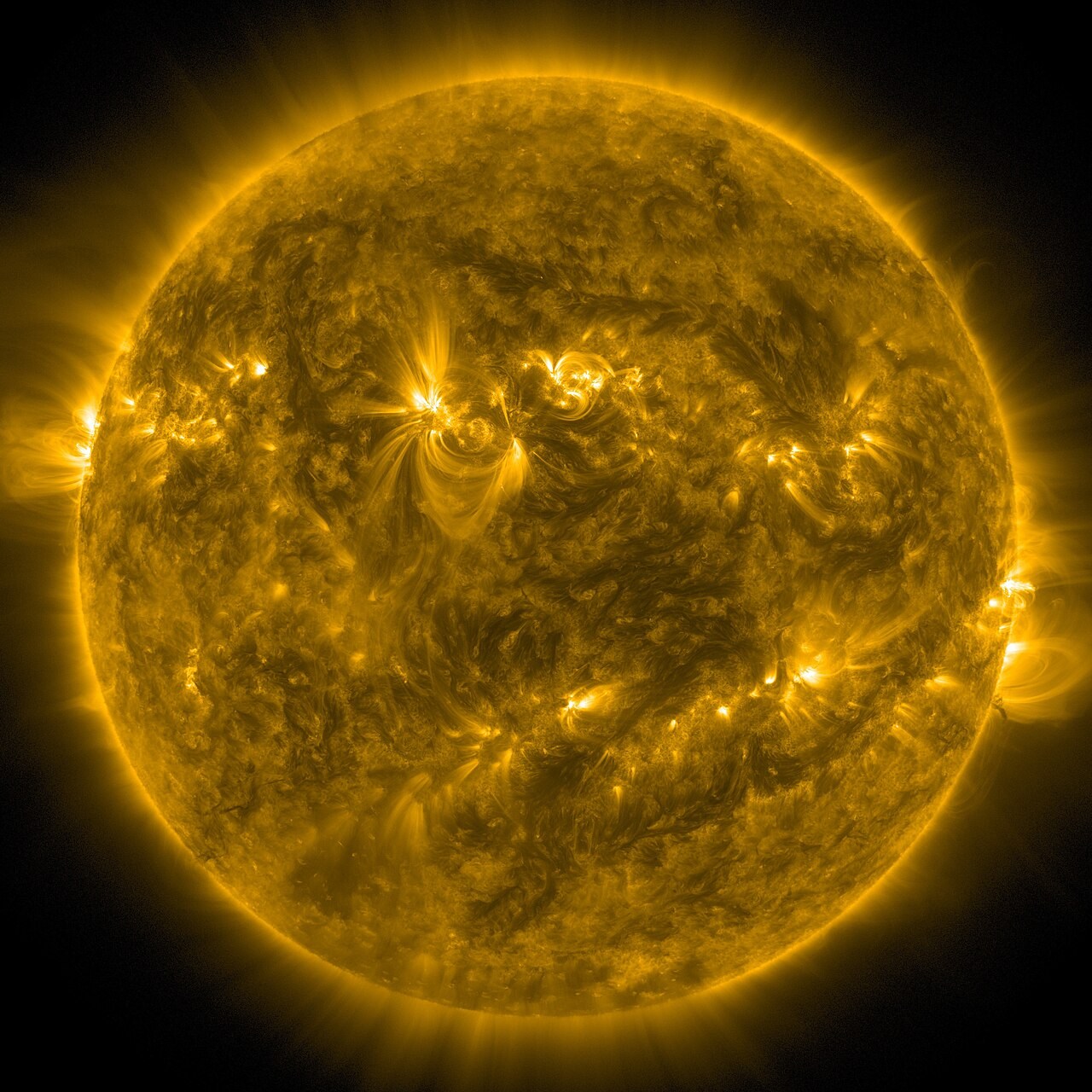
Sun and Earth
The same sunlight spreads across a larger area when it strikes a surface at a shallow angle.
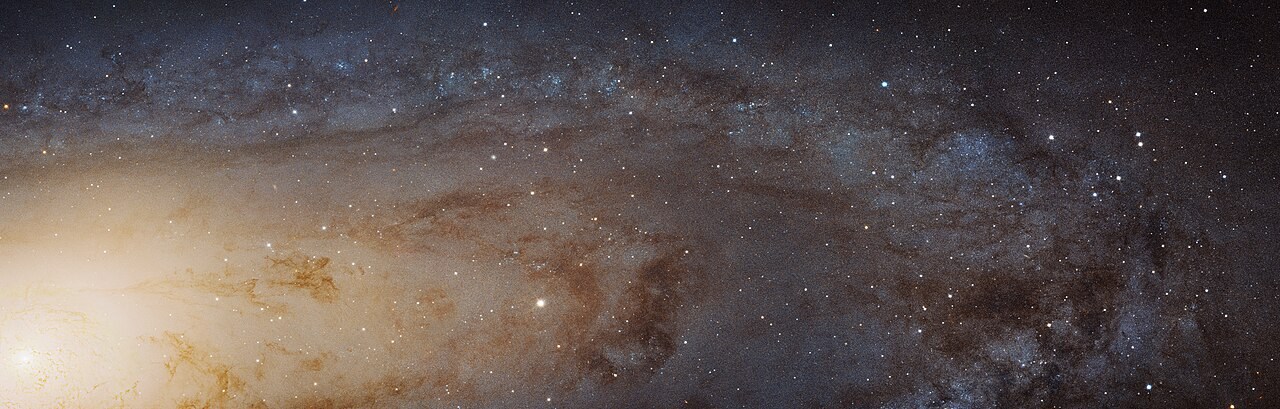
Universe scale
Distances within the Solar System are commonly measured in astronomical units; distances between stars are more conveniently measured in light-years.

Geologic time
Earth’s history spans about 4.54 billion years.
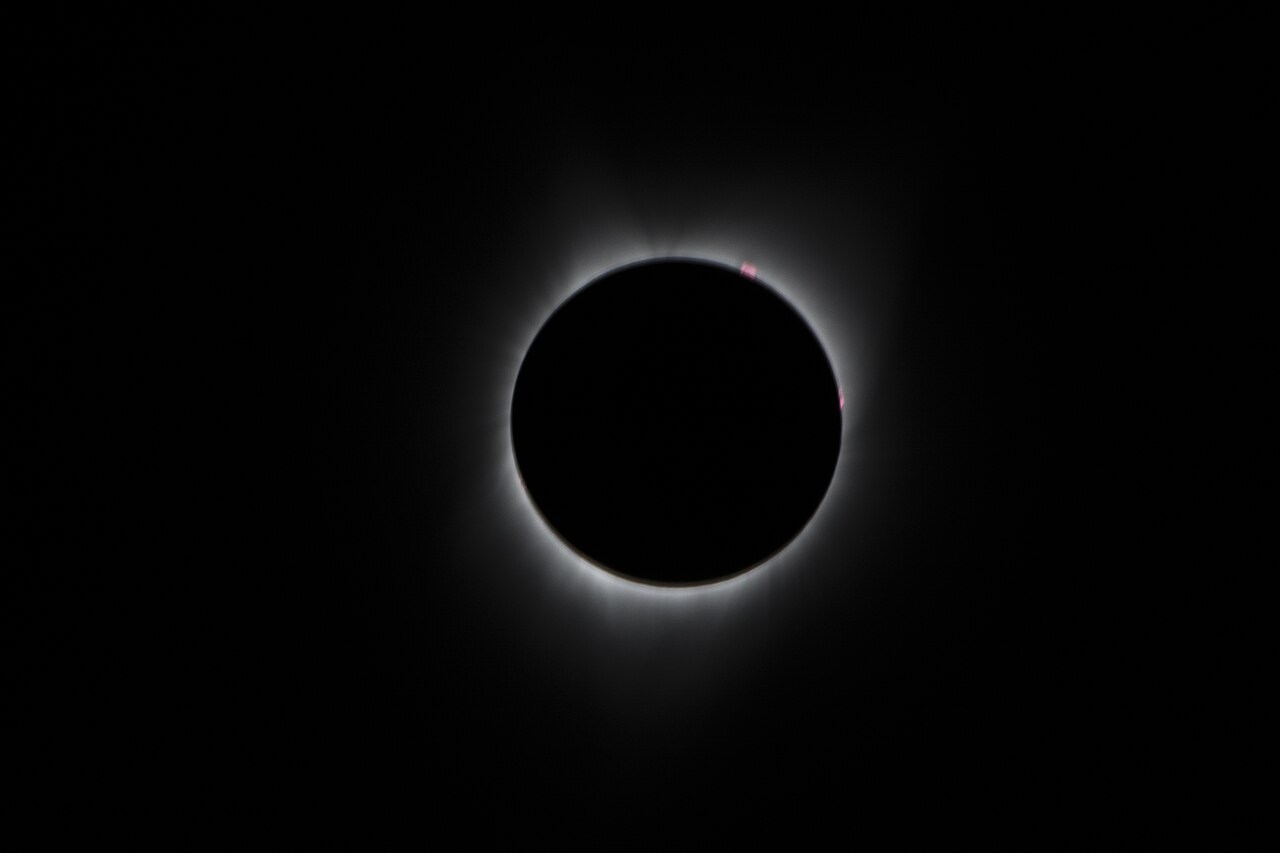
Eclipses
An eclipse requires the Sun, Earth and Moon to align closely enough for one body to enter another’s shadow.

Tides
The Moon’s gravitational attraction varies across Earth, creating a tide-generating effect with two broad bulges.
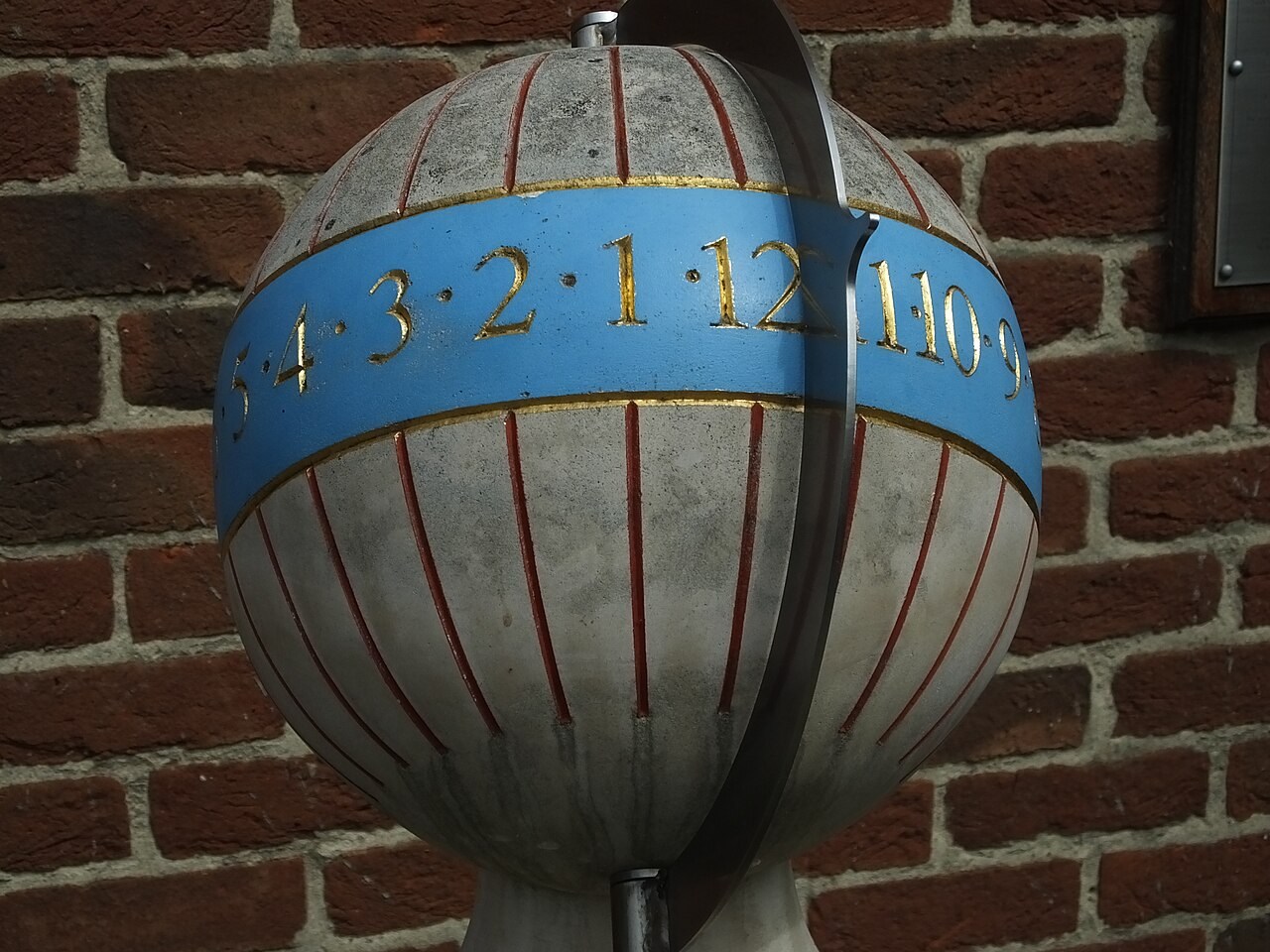
Solar altitude and sun path
Solar altitude is the Sun’s angle above the horizon.