Teachers
A lesson for your classroom or geography club
Carbon cycle
All teacher notes · Open the lab
A suggested lesson sequence
Use these stages at your own pace. Pause for students to sketch, compare observations or lead part of the demonstration.
01
Observe
Identify the five carbon stores and read their starting amounts. Close the fossil-fuel tap and play; distinguish balanced exchange from no exchange.
02
Tinker
Choose Photosynthesis and Respiration separately. Open the tap, scrub towards 100 model years, and compare source loss with total emitted carbon.
03
Explain
Explain how balanced exchanges can continue without changing a store, and how fossil-fuel burning disrupts that balance.
04
Check
Choose an answer and explain your reasoning. Each question includes feedback.
Rehearse with the model
The same scene and controls as the lab. Load it when you are ready; use Start projector for the full classroom view.
Before the lesson
Trace carbon between fast and slow stores, and explain how burning fossil fuels transfers carbon into the atmosphere.
Open the model before the lesson and choose a view that makes the important feature easy to see. Drag to rotate, and use the on-screen controls to change one variable at a time. The Controls panel explains the available keyboard shortcuts.
Pause the animation at a useful moment. Ask students what should happen next, then play it to test their explanation.
Guide the demonstration
Identify the five carbon stores and read their starting amounts. Close the fossil-fuel tap and play; distinguish balanced exchange from no exchange.
Choose Photosynthesis and Respiration separately. Open the tap, scrub towards 100 model years, and compare source loss with total emitted carbon.
Discuss a common misconception
“Carbon released by burning fossil fuels is immediately removed by the natural carbon cycle.” Burning fossil fuels transfers carbon from long-term geological stores into the atmosphere. Land and oceans absorb some of it, but uptake does not instantly match all emissions. Atmospheric carbon increases when inputs exceed removals, and different stores exchange carbon over very different timescales.
Build the explanation
Carbon moves among the atmosphere, organisms, soils, ocean and rocks. Photosynthesis, respiration and other transfers connect stores that operate on very different timescales.
Choose Photosynthesis and Respiration separately. Open the tap, scrub towards 100 model years, and compare source loss with total emitted carbon.
The budget tracks selected stores and transfers; compare its assumptions before interpreting it as a description of the entire global carbon cycle.
Teaching notes
Keep the carbon stores visible while explaining how each transfer changes their contents.
Explain that combustion moves existing carbon between stores rather than creating new carbon atoms.
Use the model’s stated quantities when checking conservation, and distinguish carbon mass from carbon dioxide mass.
Check understanding
Open Check for 4 questions. Ask students to explain their choice before revealing the answer.
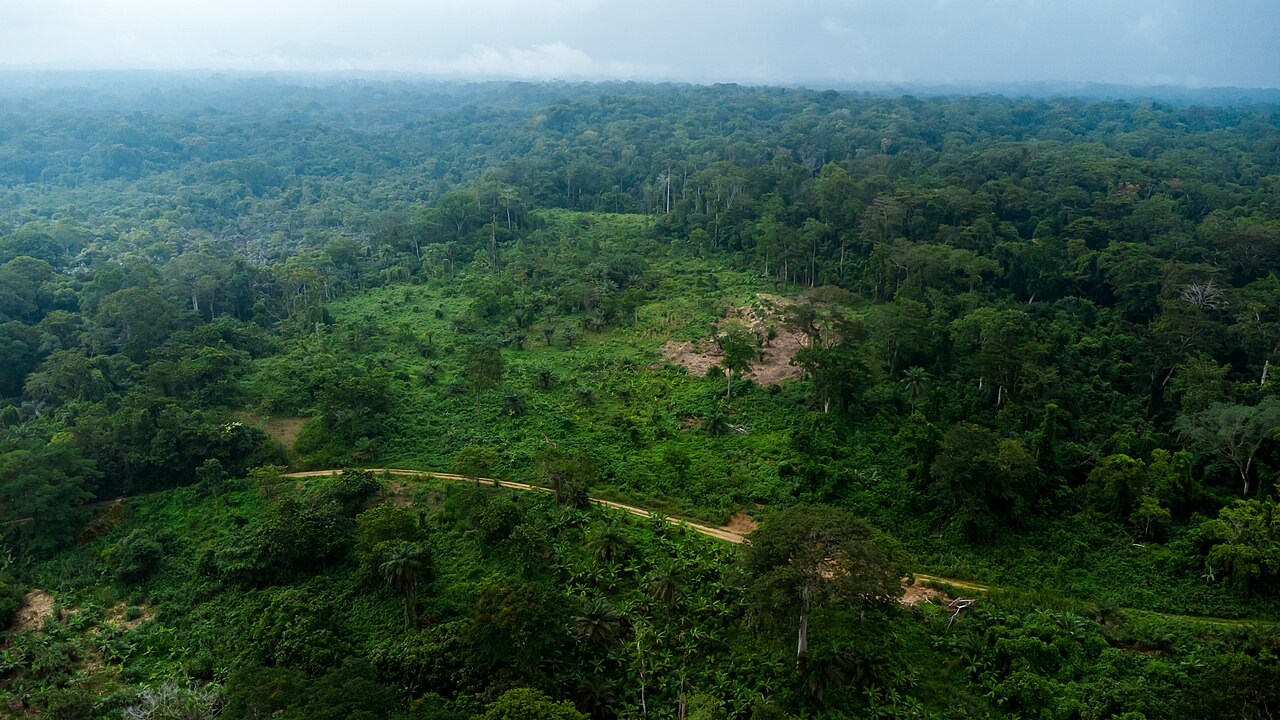
Return to the opening photograph. Ask students to identify one visible feature and explain which part of the model helps account for it.
Look more closely
Use these observations to connect the vocabulary to features students can identify.
Flux
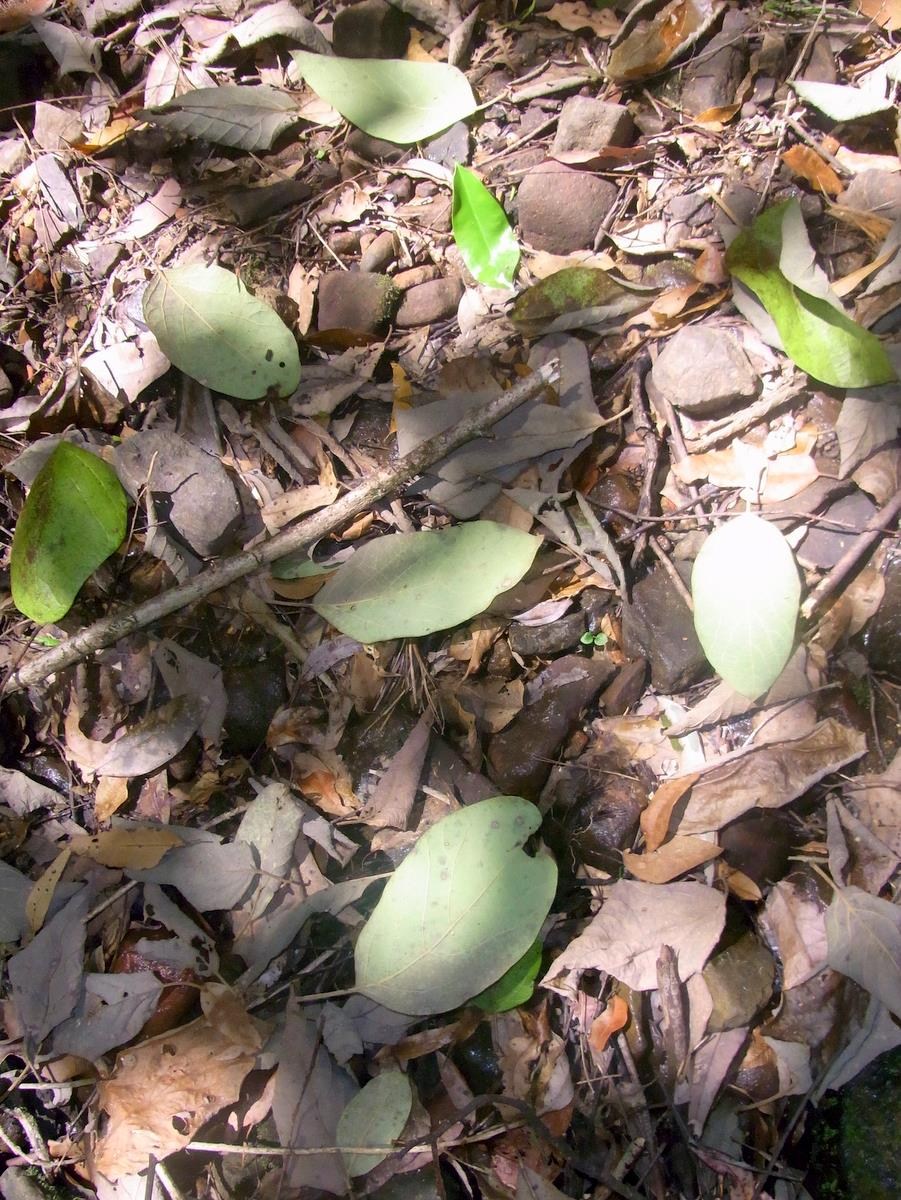
Respiration
Sources to keep beside the lesson
- NOAA carbon
- IPCC FAQ as school context — no invented stats
- NASA carbon-cycle processes