Teachers
A lesson for your classroom or geography club
Coasts
All teacher notes · Open the lab
A suggested lesson sequence
Use these stages at your own pace. Pause for students to sketch, compare observations or lead part of the demonstration.
01
Observe
Inspect the cave back wall, then compare the open arch.
02
Tinker
Select Beach transport and Groyne, or compare the attached spit.
03
Explain
How can retaining sediment at one groyne affect beaches farther along the coast?
04
Check
Choose an answer and explain your reasoning. Each question includes feedback.
Rehearse with the model
The same scene and controls as the lab. Load it when you are ready; use Start projector for the full classroom view.
Before the lesson
Explain how coastal erosion forms caves, arches and stacks, and how longshore drift and groynes change the movement of beach sediment.
Open the model before the lesson and choose a view that makes the important feature easy to see. Drag to rotate, and use the on-screen controls to change one variable at a time. The Controls panel explains the available keyboard shortcuts.
Pause the animation at a useful moment. Ask students what should happen next, then play it to test their explanation.
Guide the demonstration
Inspect the cave back wall, then compare the open arch.
Select Beach transport and Groyne, or compare the attached spit.
Discuss a common misconception
“Groynes create new beach sediment without affecting nearby coasts.” Groynes interrupt alongshore sediment movement and can retain material on one side. They redistribute an existing supply rather than create it, potentially reducing delivery farther along the coast. Their effects therefore need to be considered within the wider sediment budget.
Build the explanation
Waves erode rock, transport sediment and deposit it along the coast. The resulting landforms depend on rock structure, wave direction, sediment supply and the balance of material entering and leaving a coastal section.
Select Beach transport and Groyne, or compare the attached spit.
The scene demonstrates selected coastal processes; a real shoreline’s response also depends on its wider sediment budget.
Teaching notes
Consider sediment inputs and outputs when explaining how a coastal landform changes.
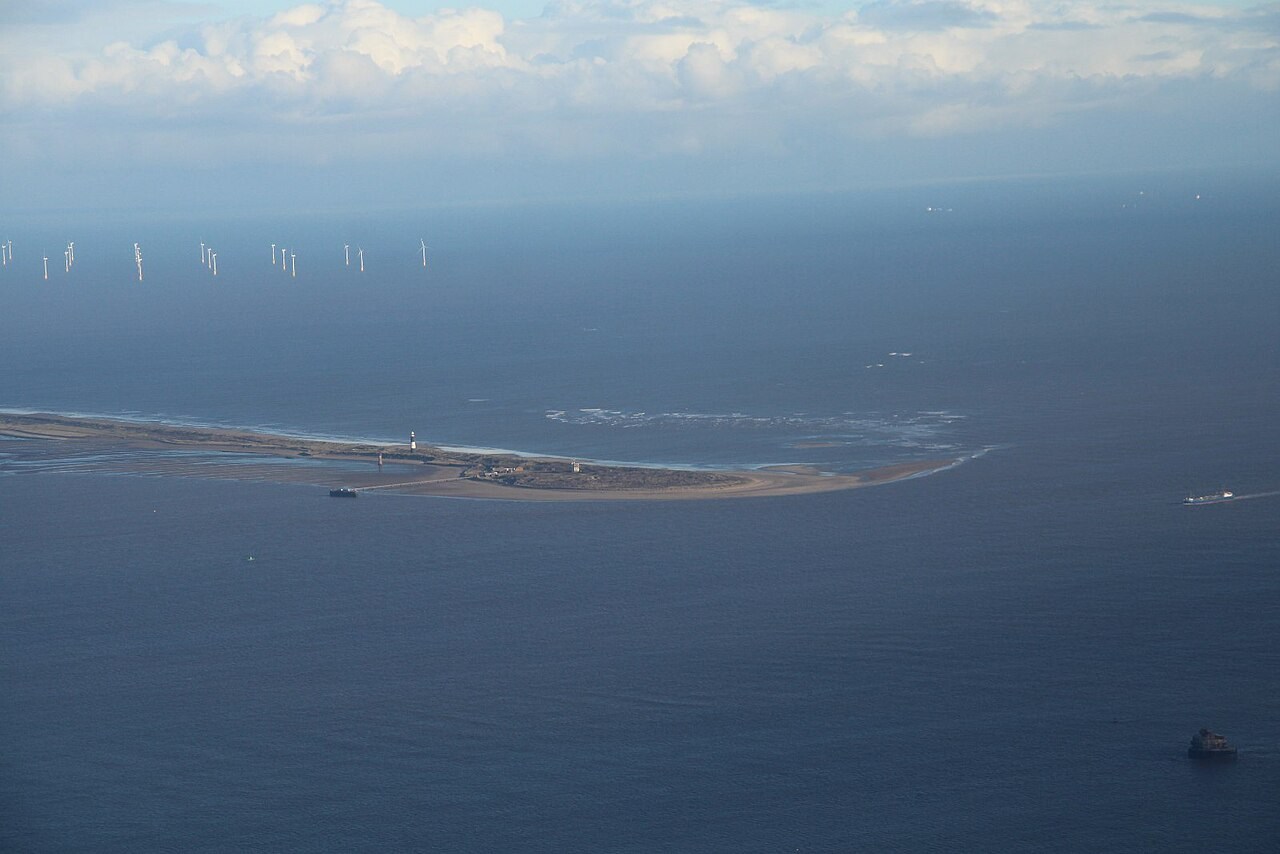
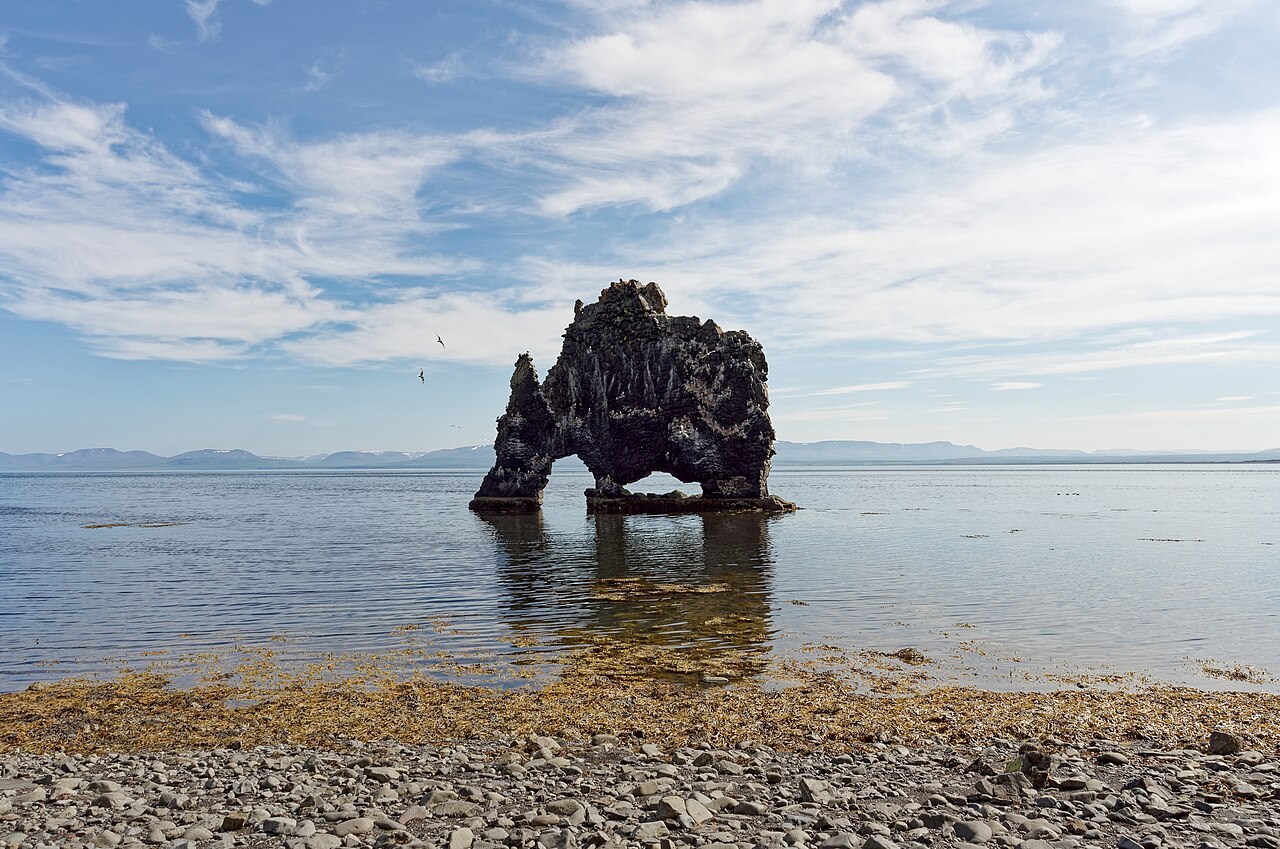
Distinguish a stack of resistant rock from a spit built by sediment deposition.
Ask how a sea wall or other defence affects neighbouring sections of coast rather than judging only the protected site.
Check understanding
Open Check for 4 questions. Ask students to explain their choice before revealing the answer.
Return to the opening photograph. Ask students to identify one visible feature and explain which part of the model helps account for it.
Look more closely
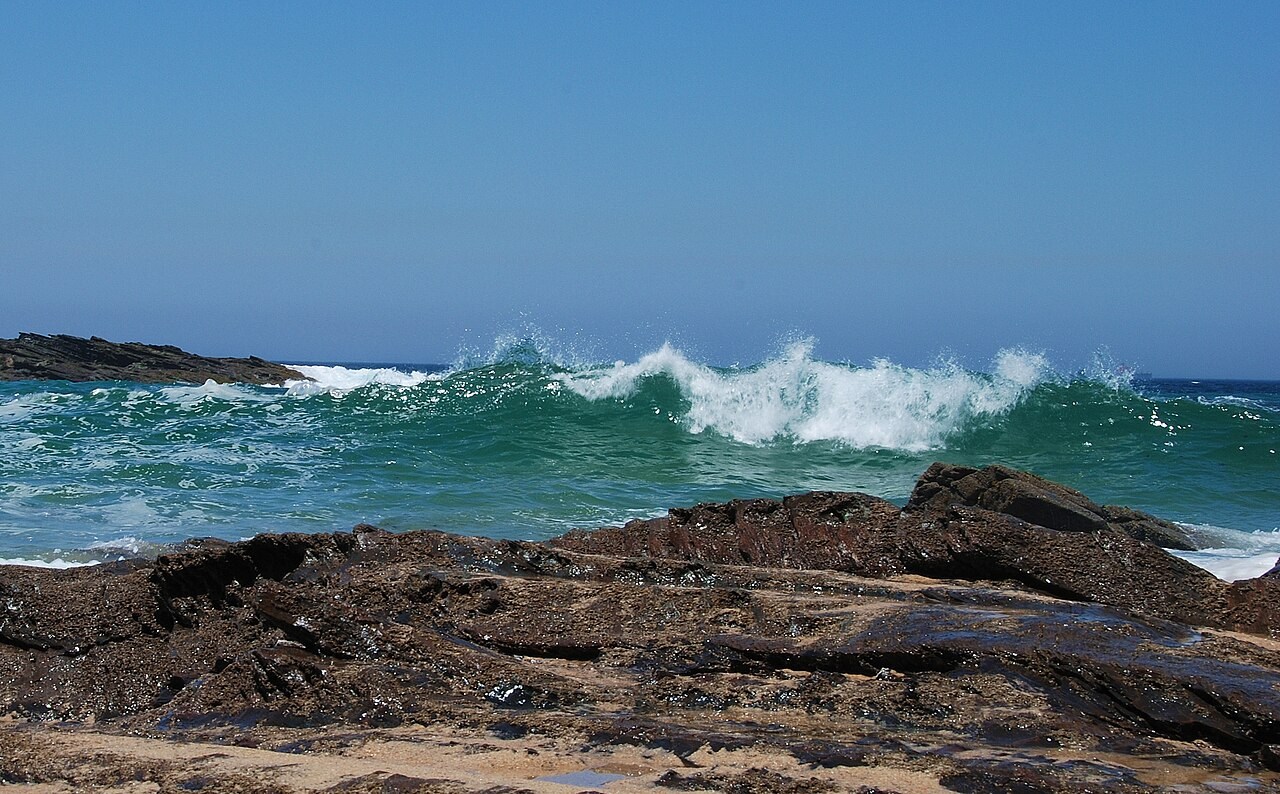
Use these observations to connect the vocabulary to features students can identify.
Constructive wave
Stack
Sources to keep beside the lesson
- BGS Holderness
- USGS barriers
- NPS sea caves and arches
- NPS coastal structures