Teachers
A lesson for your classroom or geography club
River erosion
All teacher notes · Open the lab
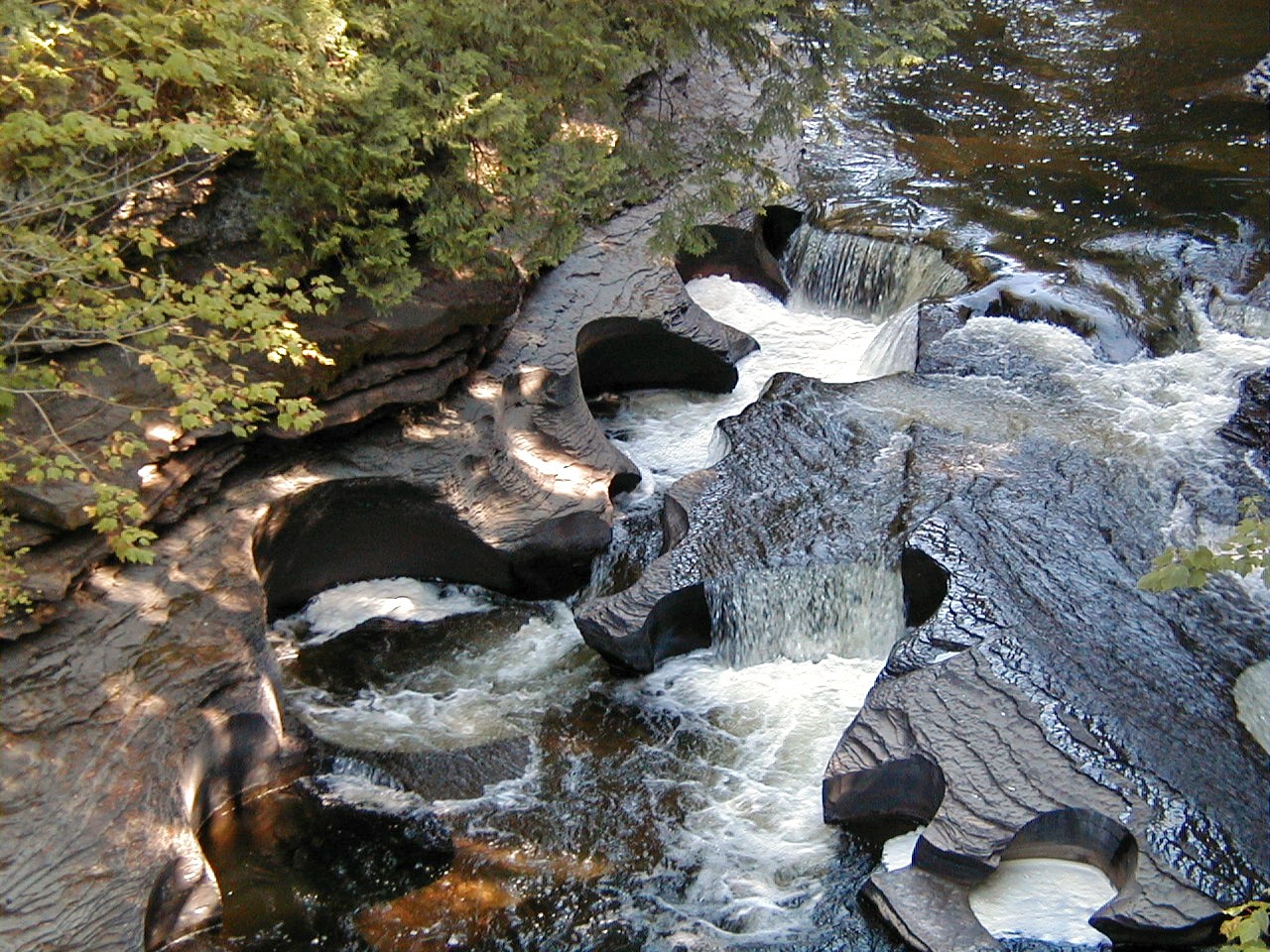
A suggested lesson sequence
Use these stages at your own pace. Pause for students to sketch, compare observations or lead part of the demonstration.
01
Observe
Follow water downstream, then identify the lip and plunge pool.
02
Tinker
Change Retreat to move the lip upstream; select Pothole or V-shaped valley.
03
Explain
Explain why a waterfall can retreat upstream while the water continues to flow downstream.
04
Check
Choose an answer and explain your reasoning. Each question includes feedback.
Rehearse with the model
The same scene and controls as the lab. Load it when you are ready; use Start projector for the full classroom view.
Before the lesson
Explain how river erosion forms waterfalls, gorges and potholes, and distinguish the retreat of a waterfall from the direction of flow.
Open the model before the lesson and choose a view that makes the important feature easy to see. Drag to rotate, and use the on-screen controls to change one variable at a time. The Controls panel explains the available keyboard shortcuts.
Pause the animation at a useful moment. Ask students what should happen next, then play it to test their explanation.
Guide the demonstration
Follow water downstream, then identify the lip and plunge pool.
Change Retreat to move the lip upstream; select Pothole or V-shaped valley.
Discuss a common misconception
“Weathering and river erosion describe the same process.” Weathering breaks down or alters rock in place, while erosion wears away and removes material. A river can exploit rock weakened by weathering and use transported sediment to abrade its bed. The processes can work together without being interchangeable.
Build the explanation
Flowing water can detach and transport material from a river’s bed and banks. Hydraulic action and abrasion contribute to erosion, while differences in rock resistance can influence the resulting forms.
Change Retreat to move the lip upstream; select Pothole or V-shaped valley.
The selected stages explain mechanisms and changing form; they do not assign a measured erosion rate to a real river.
Teaching notes
Compare valley shapes and rock conditions rather than describing every river valley as a canyon.
Explain how erosion and collapse can cause a waterfall to retreat upstream.
Distinguish the age of the rocks from the time over which the river excavated the valley.
Check understanding
Open Check for 4 questions. Ask students to explain their choice before revealing the answer.
Return to the opening photograph. Ask students to identify one visible feature and explain which part of the model helps account for it.
Look more closely
Use these observations to connect the vocabulary to features students can identify.
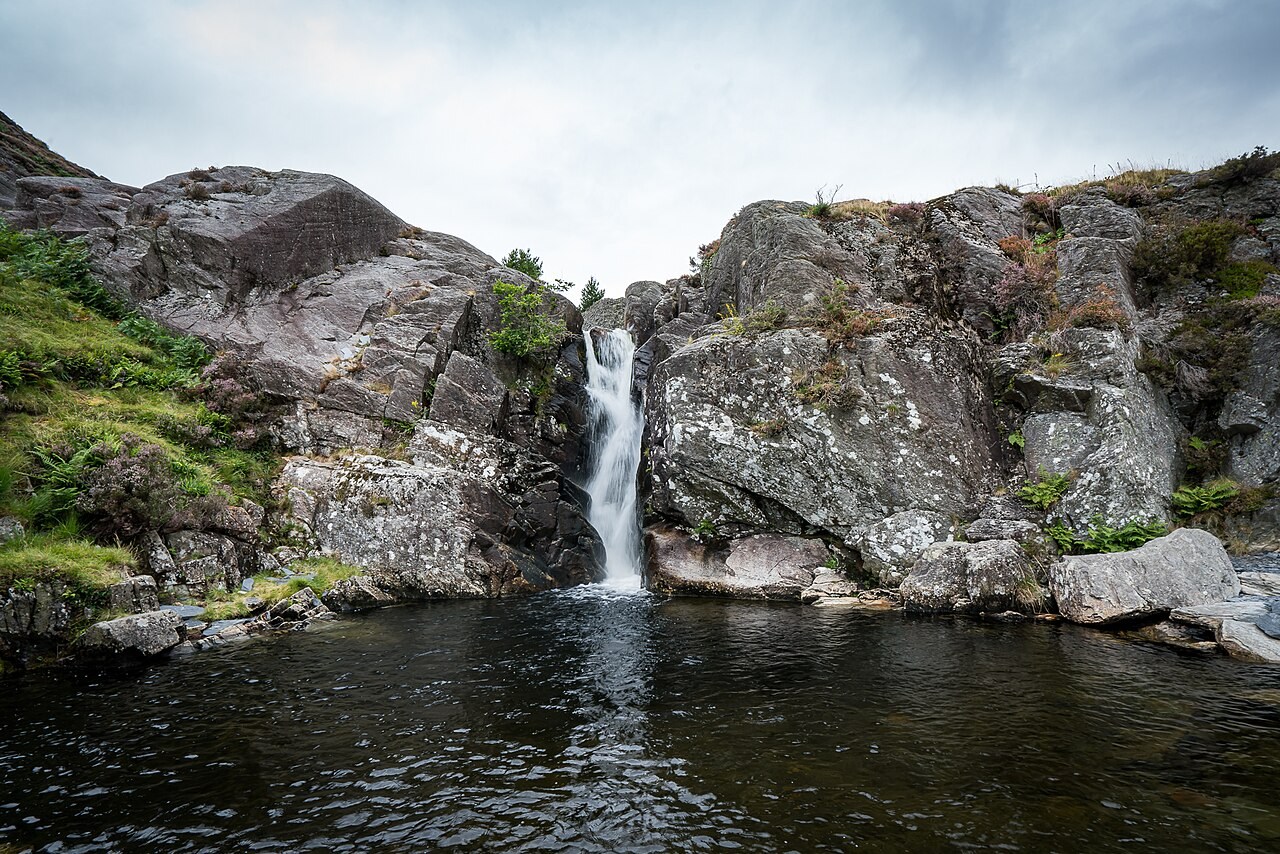
Nick point
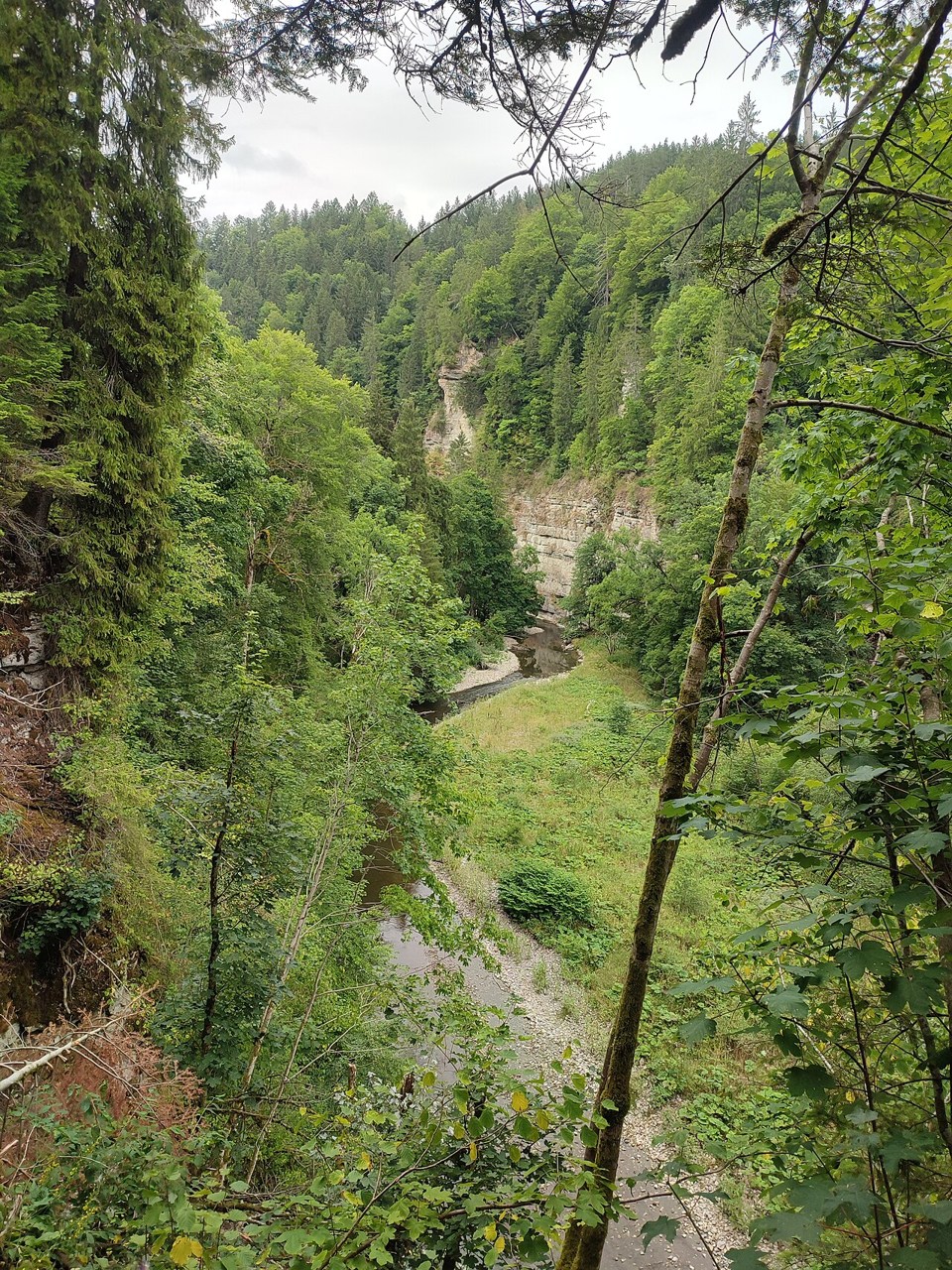
Gorge
Sources to keep beside the lesson
- BGS fluvial
- USGS
- NPS resistant strata and waterfalls