Teachers
A lesson for your classroom or geography club
Glacial landforms
All teacher notes · Open the lab
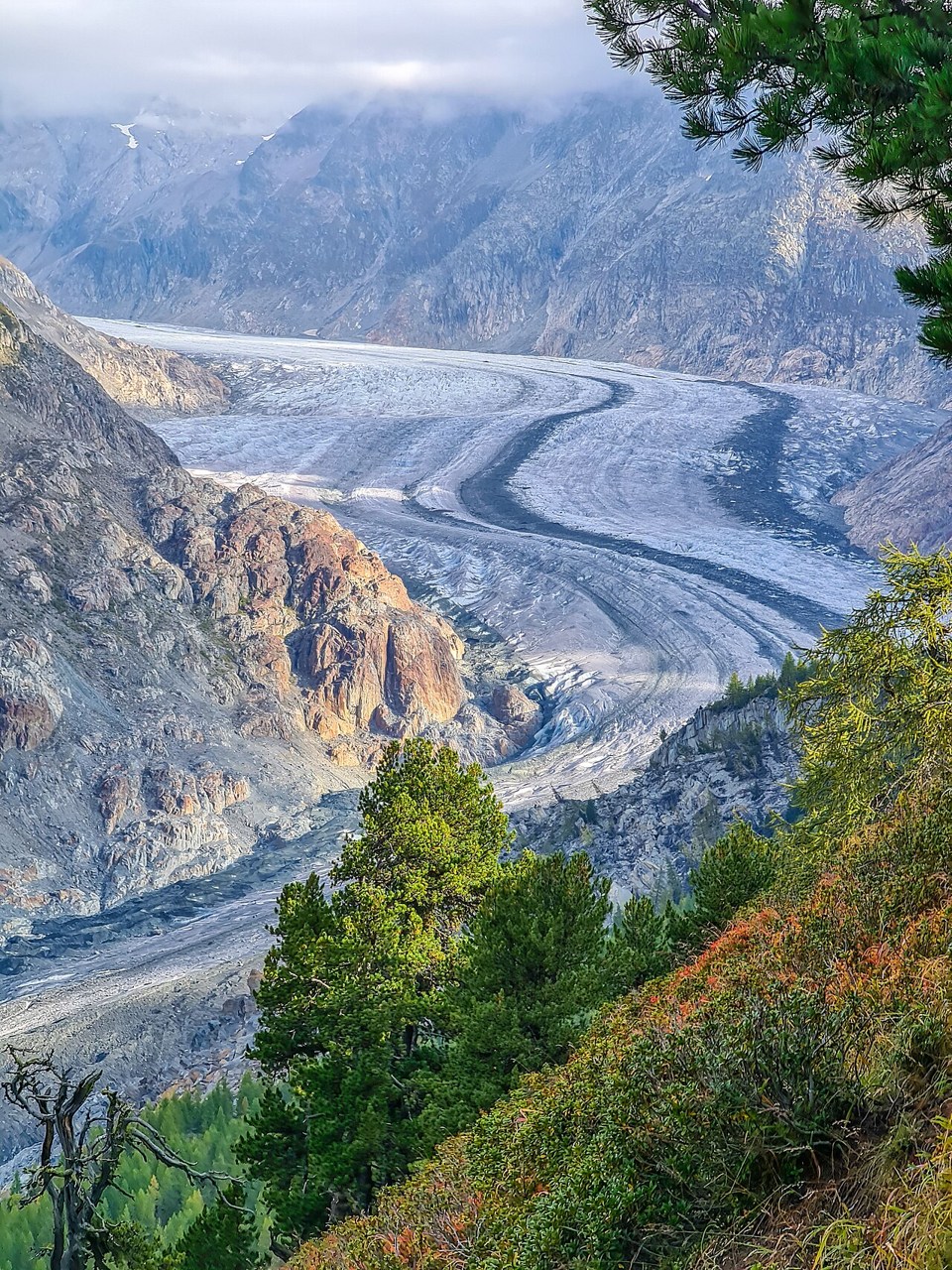
A suggested lesson sequence
Use these stages at your own pace. Pause for students to sketch, compare observations or lead part of the demonstration.
01
Observe
Trace down-valley ice flow from the accumulation area.
02
Tinker
Change Ice extent, then Play. Ice still flows down-valley during retreat.
03
Explain
Explain how a glacier’s margin can retreat even while its ice continues to flow down the valley.
04
Check
Choose an answer and explain your reasoning. Each question includes feedback.
Rehearse with the model
The same scene and controls as the lab. Load it when you are ready; use Start projector for the full classroom view.
Before the lesson
Explain how moving ice shapes a valley, and distinguish the direction of ice flow from the advance or retreat of its margin.
Open the model before the lesson and choose a view that makes the important feature easy to see. Drag to rotate, and use the on-screen controls to change one variable at a time. The Controls panel explains the available keyboard shortcuts.
Pause the animation at a useful moment. Ask students what should happen next, then play it to test their explanation.
Guide the demonstration
Trace down-valley ice flow from the accumulation area.
Change Ice extent, then Play. Ice still flows down-valley during retreat.
Discuss a common misconception
“A retreating glacier must be flowing uphill.” Glacier ice generally moves downslope under gravity even when its terminus retreats. The front moves back when local ice loss exceeds the supply of ice moving towards it. Ice velocity and the change in the terminus position describe different aspects of glacier behaviour.
Build the explanation
Glacier ice flows downslope under gravity, even when its margin is retreating. Erosion by ice and carried debris can deepen valleys and shape cirques, arêtes and horns.
Change Ice extent, then Play. Ice still flows down-valley during retreat.
Changing ice extent compares margin positions; it does not reverse ice flow or calculate the glacier’s mass balance.
Teaching notes
Compare Yosemite’s glacial trough with a predominantly river-cut canyon to distinguish the processes shaping them.
Explain that glaciers can occur in high mountains as well as polar regions.
Consider the thickness and movement of the ice when explaining erosion and deposition.
Check understanding
Open Check for 4 questions. Ask students to explain their choice before revealing the answer.
Return to the opening photograph. Ask students to identify one visible feature and explain which part of the model helps account for it.
Look more closely
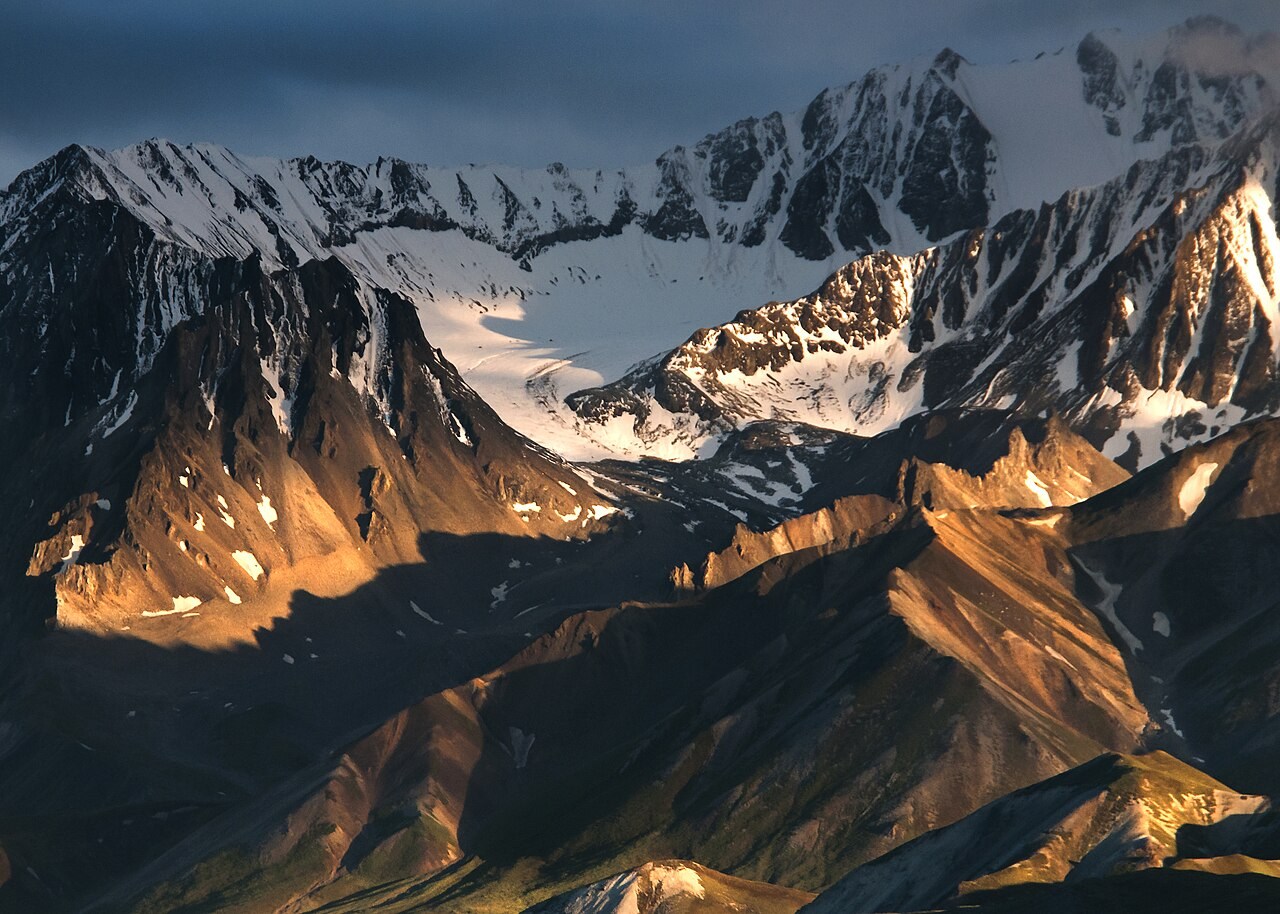
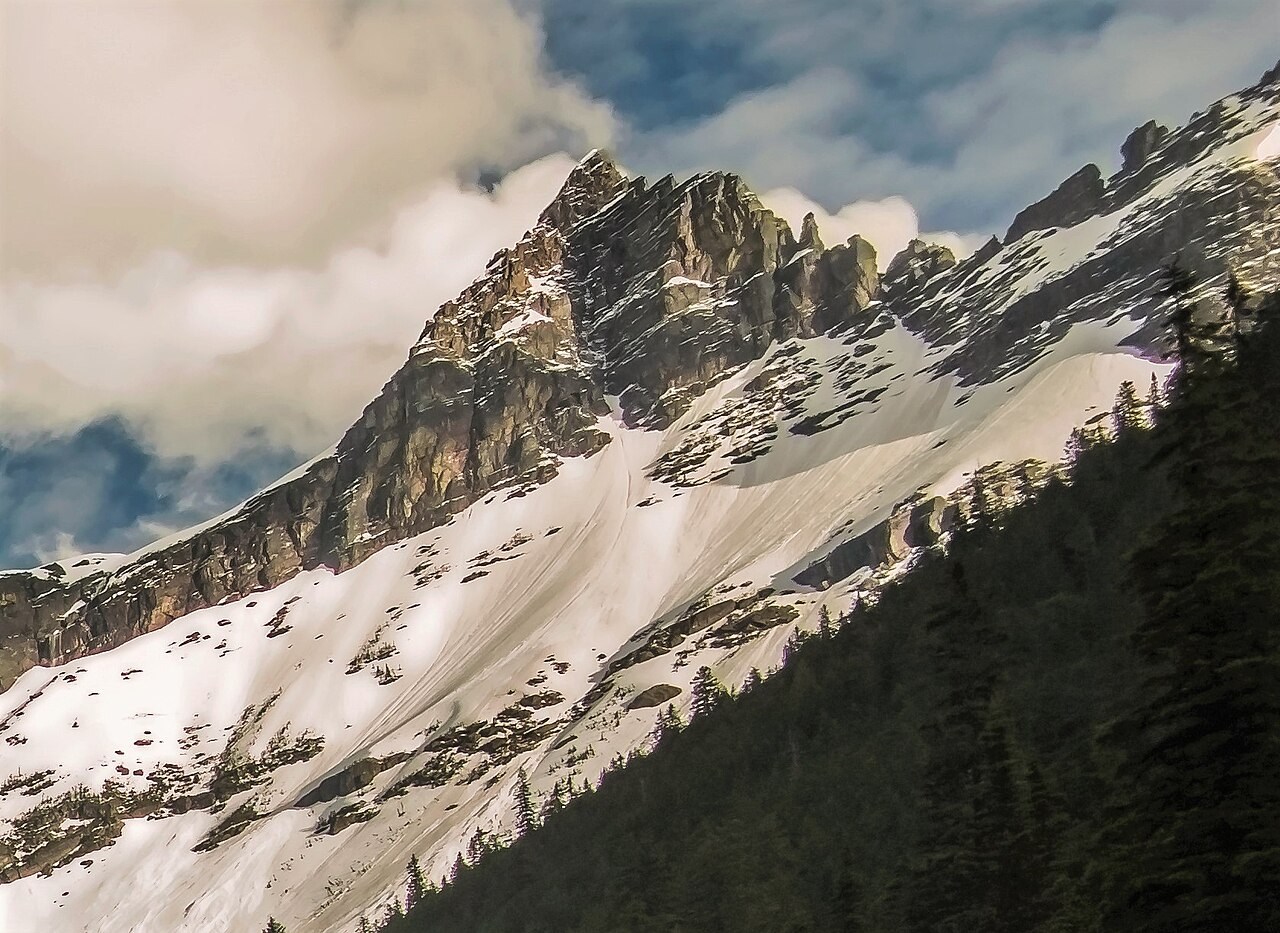
Use these observations to connect the vocabulary to features students can identify.
Cirque
Horn
Sources to keep beside the lesson
- BGS glaciation
- NPS Yosemite
- NPS ice flow and glacier margin change
- NPS glacial erosion and debris
Watch an explanation
The film stays paused until you play it.
What Are Glaciers? Crash Course Geography #26 Crash Course