Teachers
A lesson for your classroom or geography club
Karst
All teacher notes · Open the lab
A suggested lesson sequence
Use these stages at your own pace. Pause for students to sketch, compare observations or lead part of the demonstration.
01
Observe
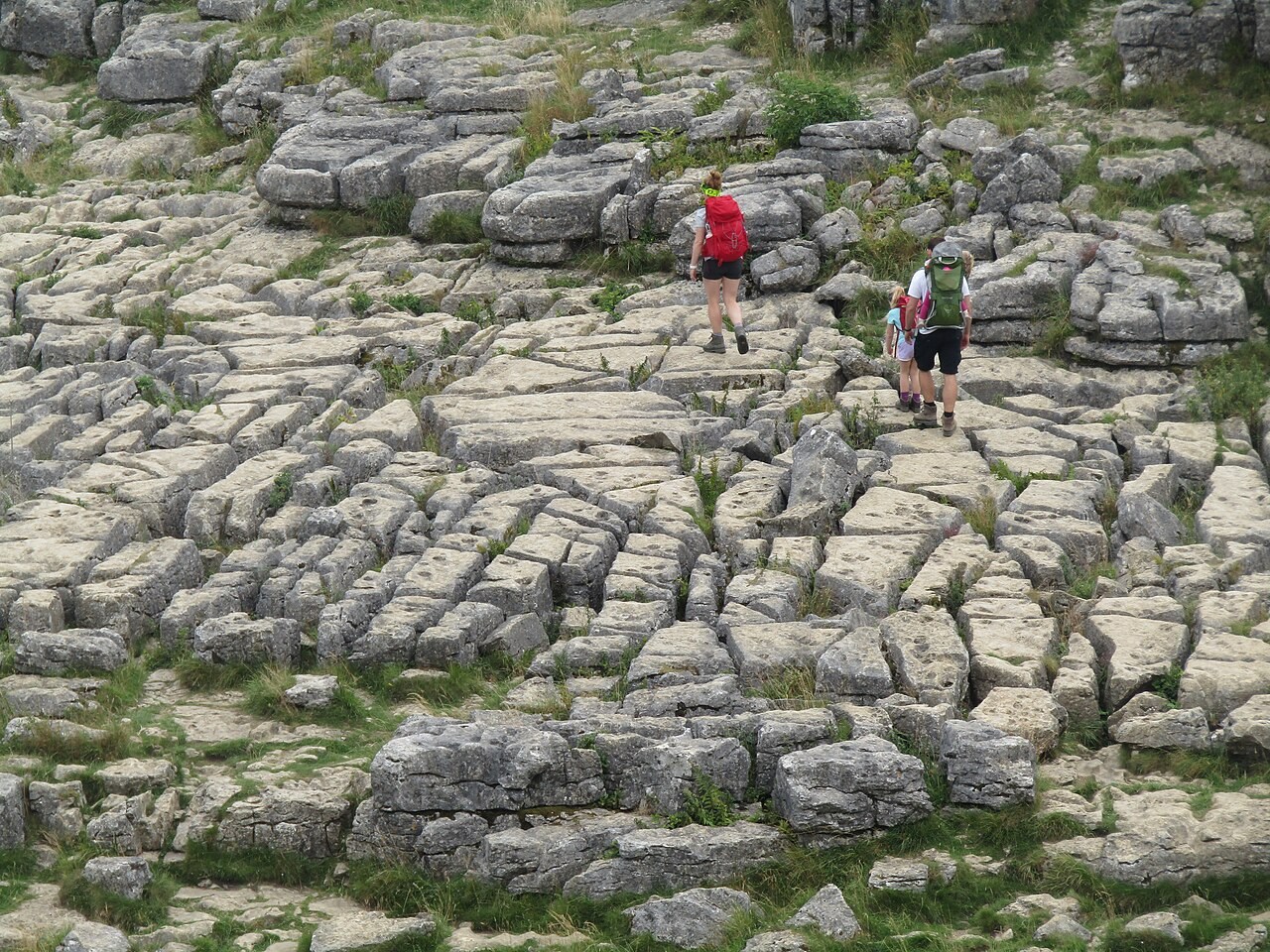
Identify clints, grykes and the surface depression.
02
Tinker
Open Cutaway and follow the selected route towards the spring.
03
Explain
How do joints and slightly acidic water influence the development of limestone passages?
04
Check
Choose an answer and explain your reasoning. Each question includes feedback.
Rehearse with the model
The same scene and controls as the lab. Load it when you are ready; use Start projector for the full classroom view.
Before the lesson
Explain how water dissolves limestone along joints to form surface grooves, sinkholes and underground passages.
Open the model before the lesson and choose a view that makes the important feature easy to see. Drag to rotate, and use the on-screen controls to change one variable at a time. The Controls panel explains the available keyboard shortcuts.
Pause the animation at a useful moment. Ask students what should happen next, then play it to test their explanation.
Guide the demonstration
Identify clints, grykes and the surface depression.
Open Cutaway and follow the selected route towards the spring.
Discuss a common misconception
“An underground drainage basin must have exactly the same boundary as the surface basin.” Water in soluble rock can follow connected fractures and passages beneath a surface divide. Its underground route may therefore lead to a different outlet from the one suggested by topography. Dye tracing and other observations can help establish the actual groundwater connections.
Build the explanation
Water containing dissolved carbon dioxide can dissolve calcite along joints and bedding planes. Connected openings can develop into underground drainage routes, while calcite may later precipitate where carbon dioxide escapes.
Open Cutaway and follow the selected route towards the spring.
The cutaway illustrates connected passages and the reaction; it does not calculate cave growth rates or water quality.
Teaching notes
Connect solution landforms with water moving through soluble rock rather than assuming every hollow is volcanic.
Distinguish limestone solution caves from lava tubes formed during volcanic activity.
Use an appropriate soluble rock, such as limestone, when explaining the development of karst.
Check understanding
Open Check for 4 questions. Ask students to explain their choice before revealing the answer.
Return to the opening photograph. Ask students to identify one visible feature and explain which part of the model helps account for it.
Look more closely
Use these observations to connect the vocabulary to features students can identify.
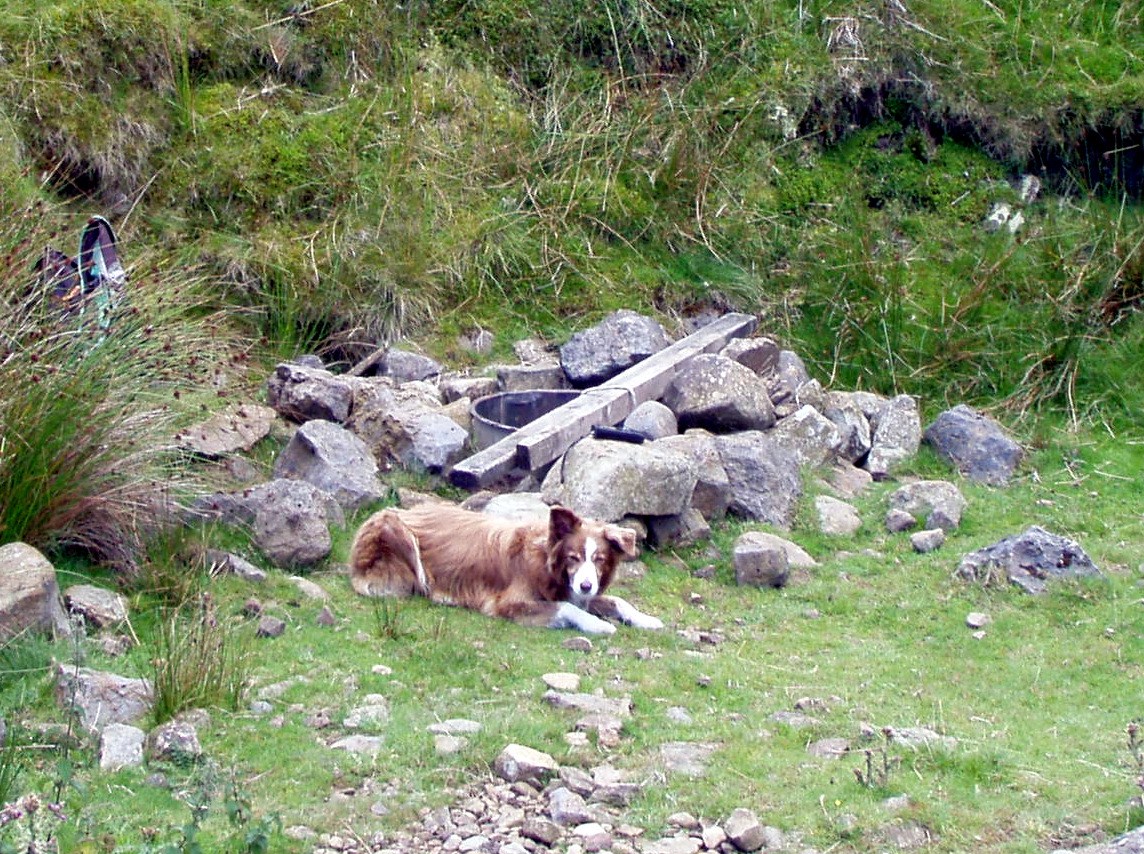
Swallow hole
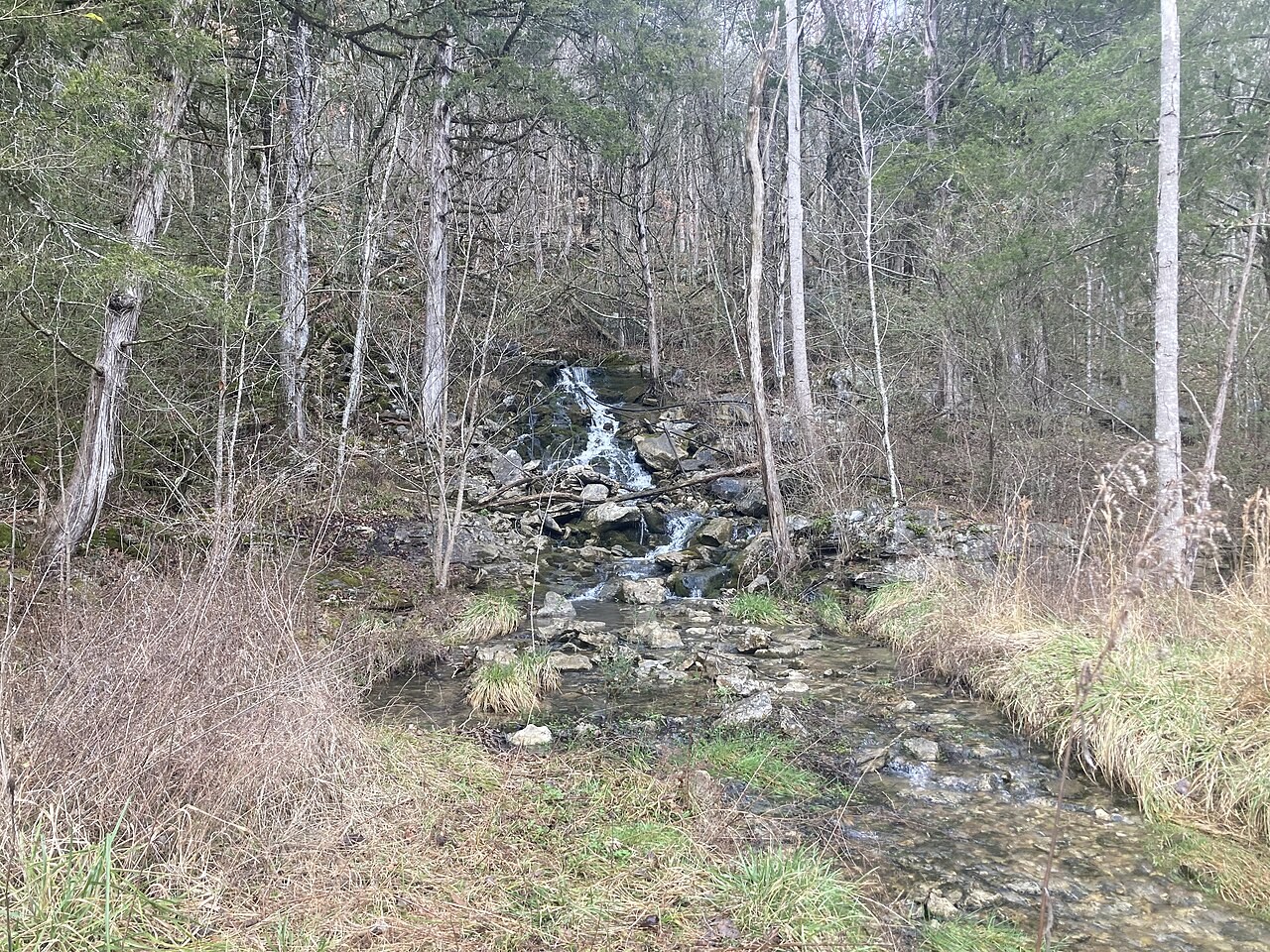
Resurgence
Sources to keep beside the lesson
- BGS karst
- NPS Mammoth Cave
- NPS solution caves
- NPS Mammoth Cave formation