Teachers
A lesson for your classroom or geography club
Mass movement
All teacher notes · Open the lab
A suggested lesson sequence
Use these stages at your own pace. Pause for students to sketch, compare observations or lead part of the demonstration.
01
Observe
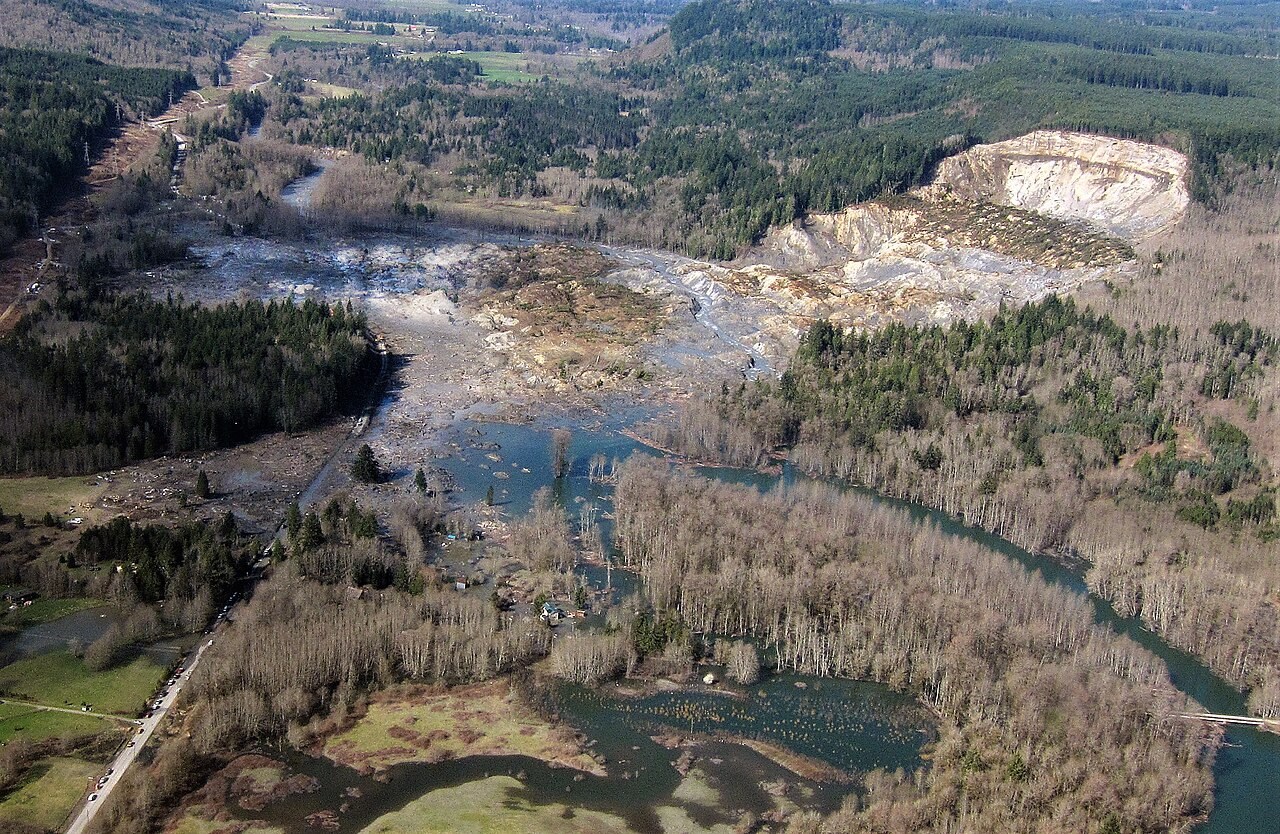
Locate crown, curved shear surface and toe. Read the assumed strength and initial factor of safety.
02
Tinker
Increase Pore pressure and relate falling resistance to effective stress. At the highest setting, play the prescribed rotational movement.
03
Explain
How does increasing pore pressure reduce the resistance to sliding along the selected surface?
04
Check
Choose an answer and explain your reasoning. Each question includes feedback.
Rehearse with the model
The same scene and controls as the lab. Load it when you are ready; use Start projector for the full classroom view.
Before the lesson
Identify the main parts of a rotational slump and explain how rainfall can reduce the stability of a slope.
Open the model before the lesson and choose a view that makes the important feature easy to see. Drag to rotate, and use the on-screen controls to change one variable at a time. The Controls panel explains the available keyboard shortcuts.
Pause the animation at a useful moment. Ask students what should happen next, then play it to test their explanation.
Guide the demonstration
Locate crown, curved shear surface and toe. Read the assumed strength and initial factor of safety.
Increase Pore pressure and relate falling resistance to effective stress. At the highest setting, play the prescribed rotational movement.
Discuss a common misconception
“Rain can destabilise a slope only by making the material heavier.” Added water can increase weight, but rising pore-water pressure can also reduce effective stress and frictional resistance along a potential slip surface. Drainage, cohesion, slope geometry and material properties influence stability, so the effect is not explained by added mass alone.
Build the explanation
Gravity drives a slope downhill while friction and cohesion resist movement. Rising pore-water pressure can reduce effective stress and resistance, making a chosen slip surface less stable.
Increase Pore pressure and relate falling resistance to effective stress. At the highest setting, play the prescribed rotational movement.
The factor of safety describes the initial slope and selected surface; the later rotation is an illustration of movement, not a calculated runout.
Teaching notes
Consider slope material, gravity and water pressure together rather than attributing every failure to wave erosion.
Distinguish a rockfall from a slide or flow by describing how the material moves.
Explain how saturation can reduce slope stability, including on slopes that are not beside the sea.
Check understanding
Open Check for 4 questions. Ask students to explain their choice before revealing the answer.
Return to the opening photograph. Ask students to identify one visible feature and explain which part of the model helps account for it.
Look more closely
Use these observations to connect the vocabulary to features students can identify.
Rotational slump
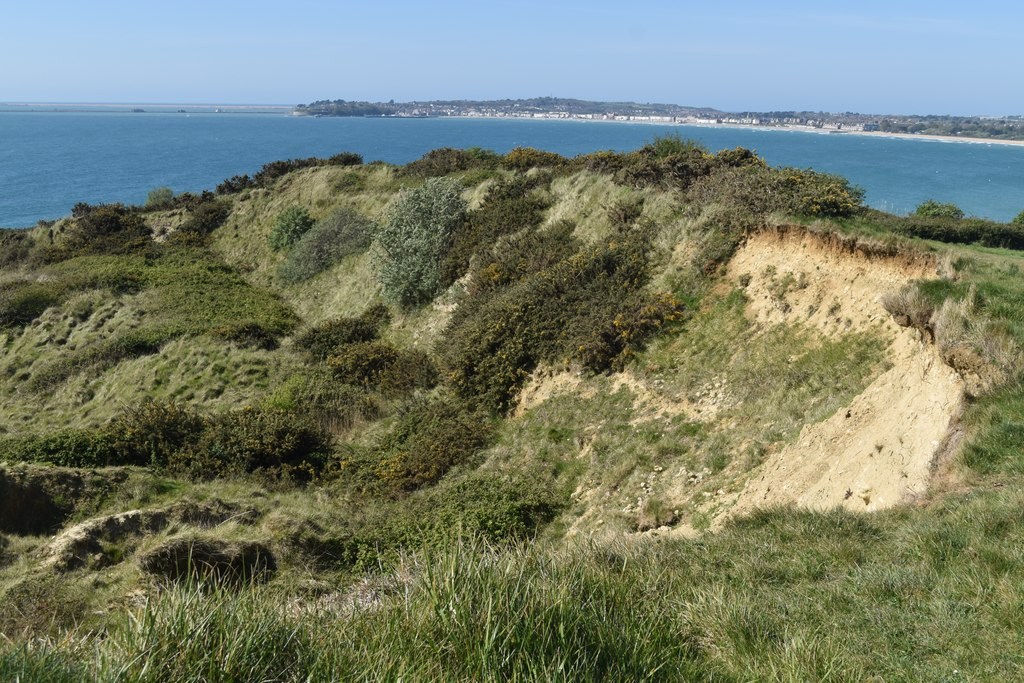
Till
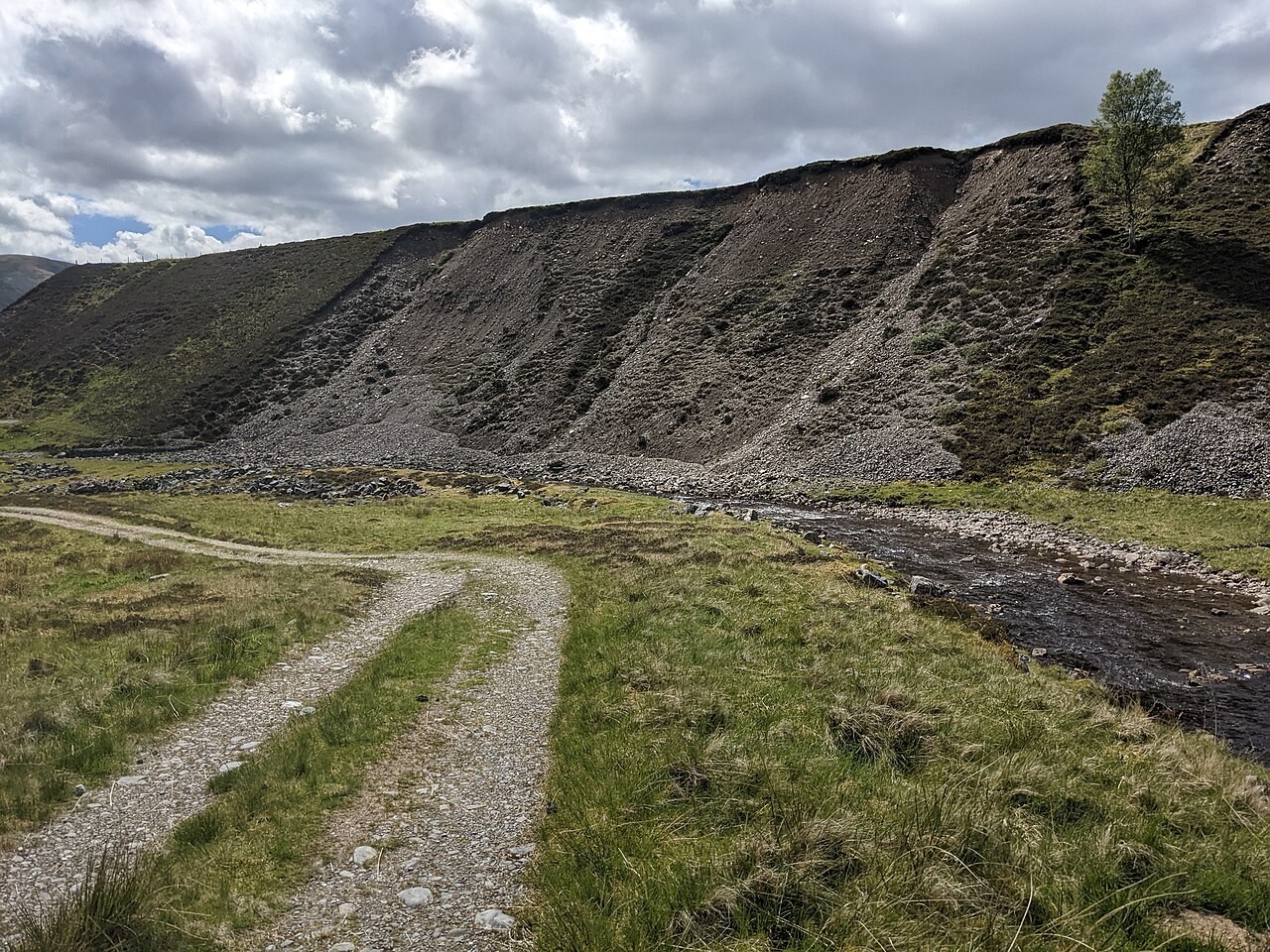
Sources to keep beside the lesson
- BGS mass movement
- USGS landslides
- USGS rotational landslides
- USACE slope stability methods