Teachers
A lesson for your classroom or geography club
River capture
All teacher notes · Open the lab
A suggested lesson sequence
Use these stages at your own pace. Pause for students to sketch, compare observations or lead part of the demonstration.
01
Observe
Identify the two separate water routes and their outlets.
02
Tinker
Step towards the divide and then After capture; play the changed water route.
03
Explain
How does diverting the headwaters affect the captured river and the abandoned part of its old valley?
04
Check
Choose an answer and explain your reasoning. Each question includes feedback.
Rehearse with the model
The same scene and controls as the lab. Load it when you are ready; use Start projector for the full classroom view.
Before the lesson
Explain how headward erosion can divert a river’s headwaters and identify evidence left in the old channel.
Open the model before the lesson and choose a view that makes the important feature easy to see. Drag to rotate, and use the on-screen controls to change one variable at a time. The Controls panel explains the available keyboard shortcuts.
Pause the animation at a useful moment. Ask students what should happen next, then play it to test their explanation.
Guide the demonstration
Identify the two separate water routes and their outlets.
Step towards the divide and then After capture; play the changed water route.
Discuss a common misconception
“A drainage divide is permanent, so one river cannot gain another river’s headwaters.” Erosion, tectonic change or other landscape adjustment can shift a divide and divert flow into a neighbouring basin. The capturing river gains drainage area while the former channel may carry a smaller stream. Landforms such as wind gaps can help reconstruct the change.
Build the explanation
Headward erosion can extend one river into a neighbouring basin and divert its headwaters. The new route may leave an elbow of capture and a former valley carrying a much smaller stream.
Step towards the divide and then After capture; play the changed water route.
The chosen stages show one capture mechanism; their spacing does not represent an erosion rate or dated sequence.
Teaching notes
Present river capture as the result of evolving drainage and erosion rather than an instantaneous change without a cause.
Explain how a drainage divide can migrate as neighbouring river systems erode their headwaters.
Use features such as a wind gap to discuss the evidence for an earlier drainage pattern.
Check understanding
Open Check for 4 questions. Ask students to explain their choice before revealing the answer.
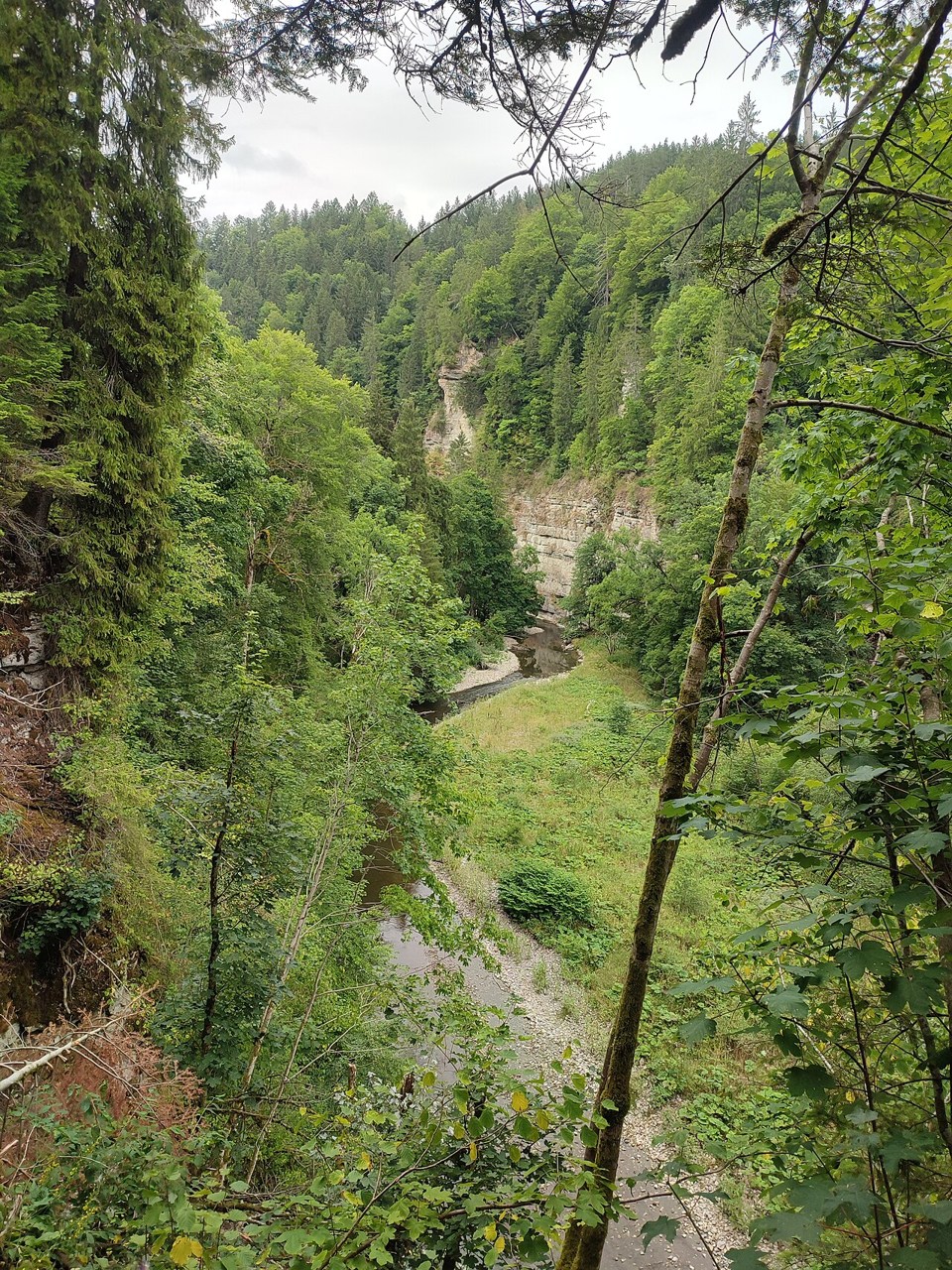
Return to the opening photograph. Ask students to identify one visible feature and explain which part of the model helps account for it.
Look more closely
Use these observations to connect the vocabulary to features students can identify.
Beheaded stream
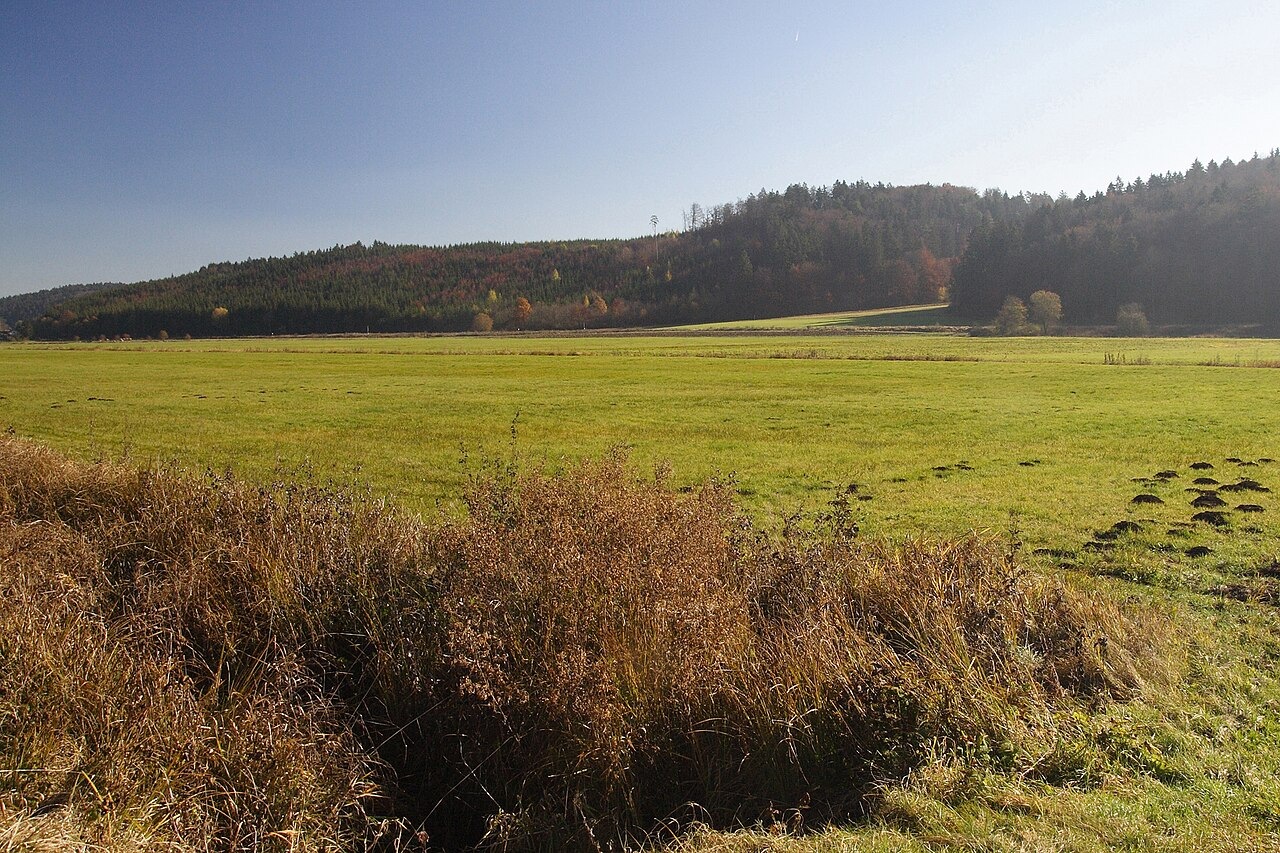
Wind gap

Sources to keep beside the lesson
- USACE Old River
- BGS