Teachers
A lesson for your classroom or geography club
Rock cycle
All teacher notes · Open the lab
A suggested lesson sequence
Use these stages at your own pace. Pause for students to sketch, compare observations or lead part of the demonstration.
01
Observe
Identify three rock groups, loose sediment and magma.
02
Tinker
Choose several paths, including a solid-state and a melting path.
03
Explain
Choose a pathway that does not involve melting and explain how it transforms the original rock.
04
Check
Choose an answer and explain your reasoning. Each question includes feedback.
Rehearse with the model
The same scene and controls as the lab. Load it when you are ready; use Start projector for the full classroom view.
Before the lesson
Trace several possible routes through the rock cycle and explain how melting, cooling, pressure and weathering transform rock.
Open the model before the lesson and choose a view that makes the important feature easy to see. Drag to rotate, and use the on-screen controls to change one variable at a time. The Controls panel explains the available keyboard shortcuts.
Pause the animation at a useful moment. Ask students what should happen next, then play it to test their explanation.
Guide the demonstration
Identify three rock groups, loose sediment and magma.
Choose several paths, including a solid-state and a melting path.
Discuss a common misconception
“Metamorphic rock forms when an existing rock melts completely.” Metamorphism changes a rock’s minerals or texture while it remains largely solid, under changed temperature, pressure or fluid conditions. Complete melting produces magma; subsequent crystallisation forms igneous rock. The rock cycle includes different possible pathways rather than one compulsory sequence.
Build the explanation
Rocks can change through melting, crystallisation, weathering, deposition, burial and metamorphism. These processes form a network of possible routes rather than a compulsory journey through every rock type.
Choose several paths, including a solid-state and a melting path.
The pathways connect processes at different depths and timescales; the animation does not assign one duration to the whole cycle.
Teaching notes
Distinguish molten material from igneous rock, which forms after the melt cools and solidifies.
Explain that some metamorphic rocks are foliated while others are not.
Consider composition and geological history alongside temperature and pressure when identifying a rock.
Check understanding
Open Check for 4 questions. Ask students to explain their choice before revealing the answer.
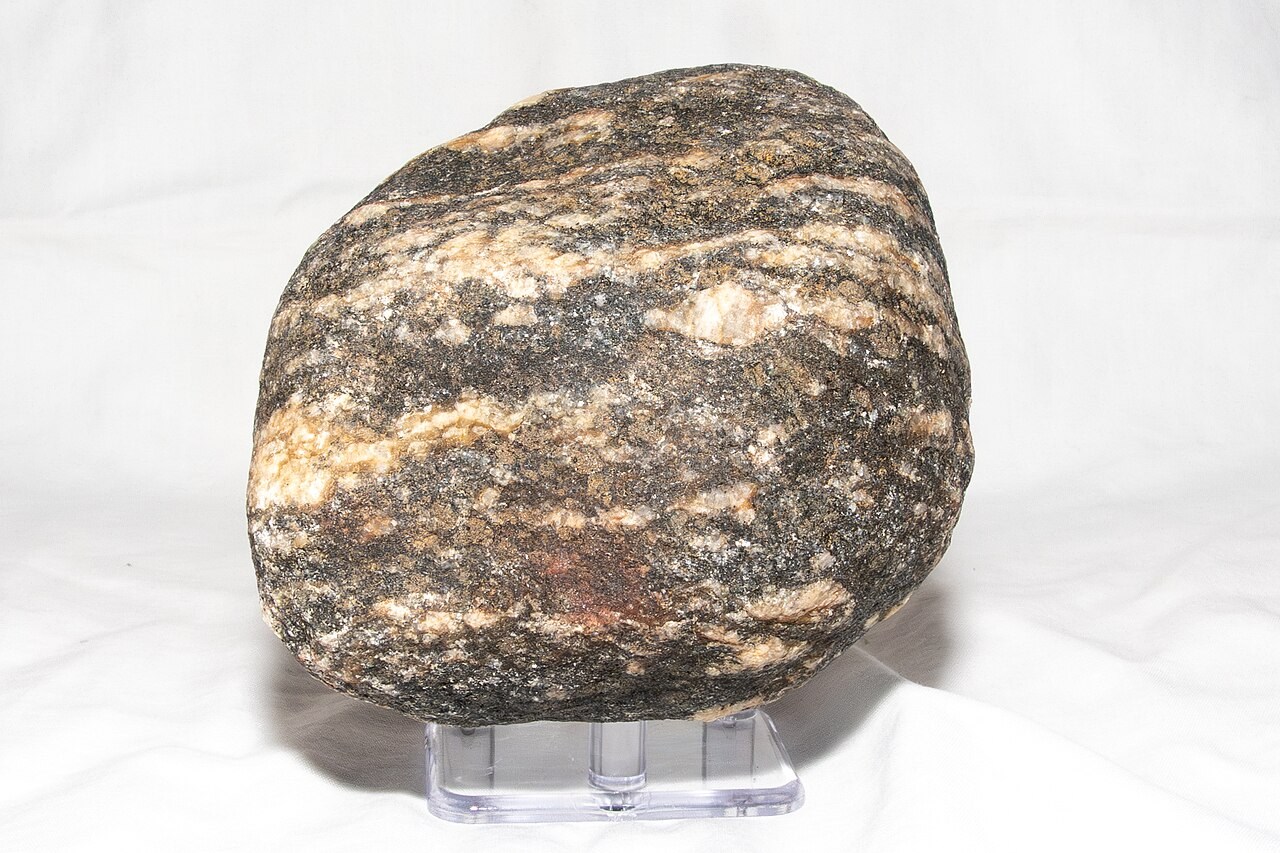
Return to the opening photograph. Ask students to identify one visible feature and explain which part of the model helps account for it.
Look more closely
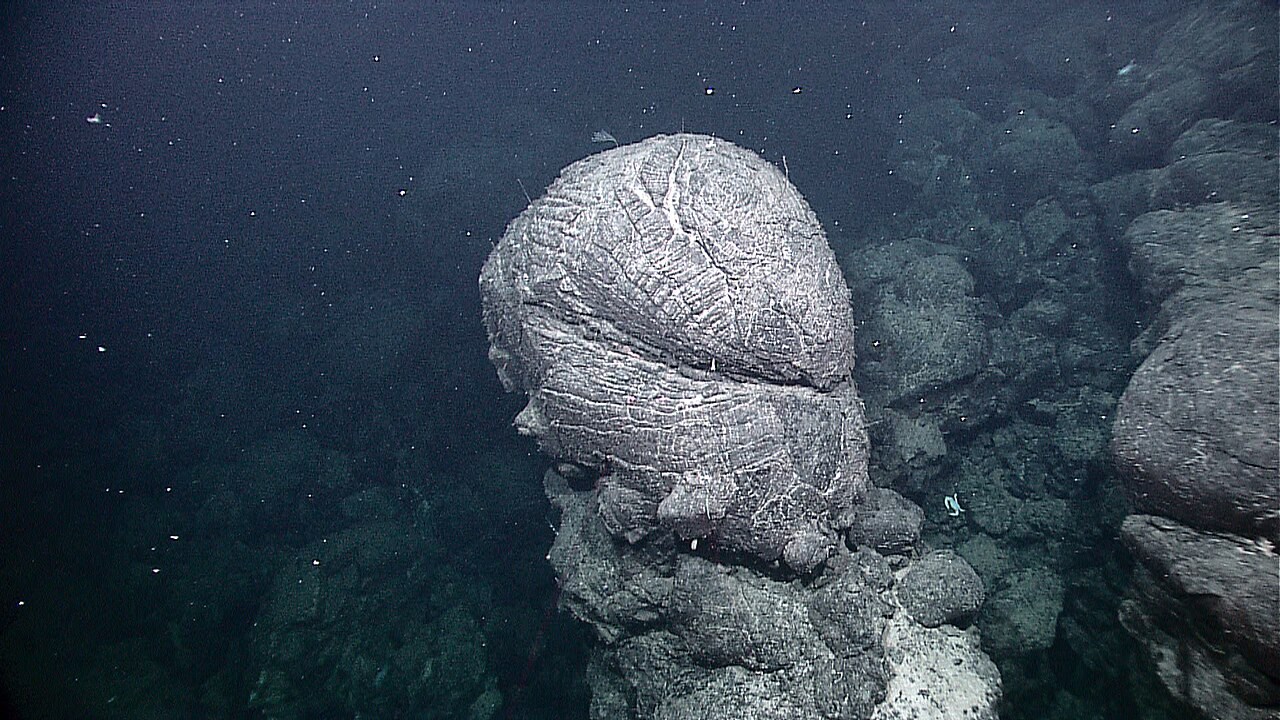
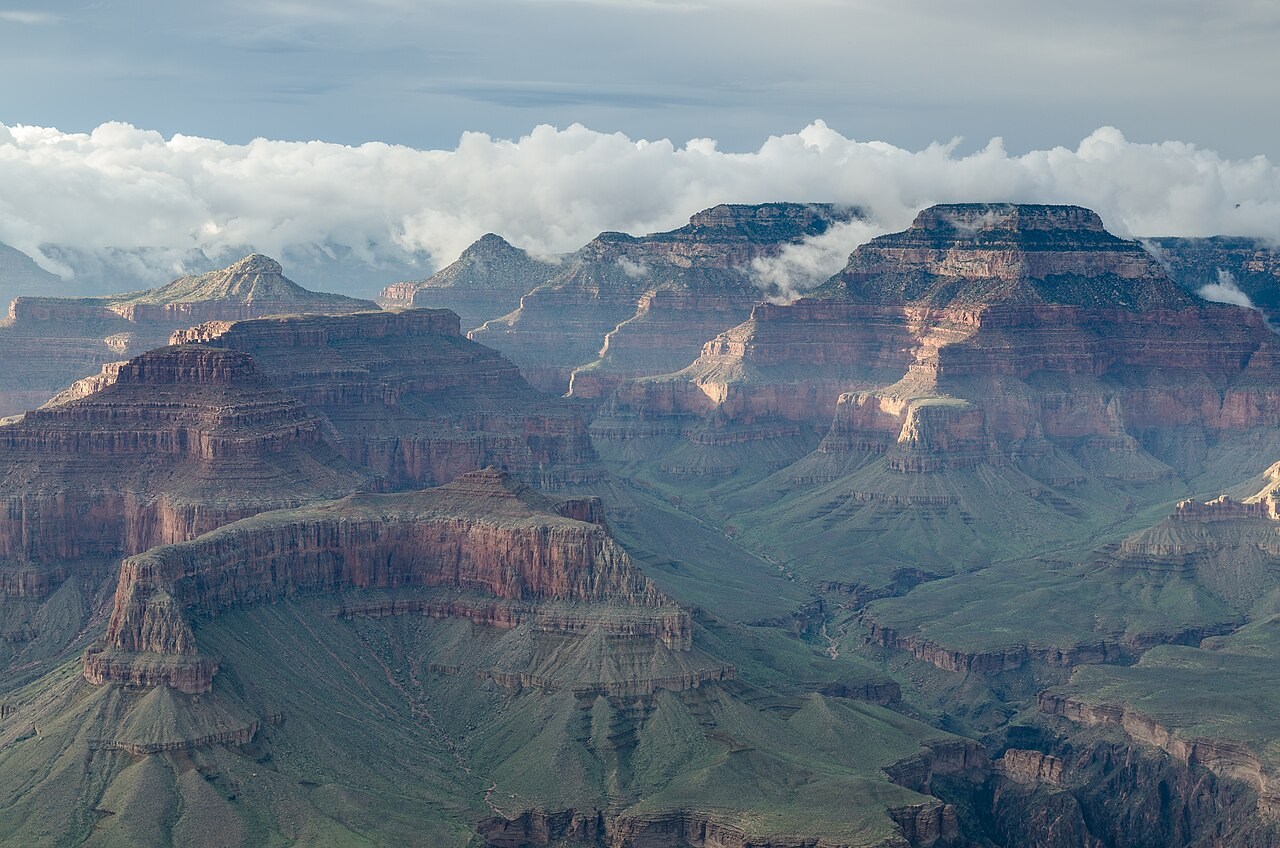
Use these observations to connect the vocabulary to features students can identify.
Igneous
Sedimentary
Sources to keep beside the lesson
- USGS rocks
- BGS
- BGS rocks and minerals
Watch an explanation
The film stays paused until you play it.
What Are Rocks and How Do They Form? Crash Course Geography #18 Crash Course