Teachers
A lesson for your classroom or geography club
Soil texture triangle
All teacher notes · Open the lab
A suggested lesson sequence
Use these stages at your own pace. Pause for students to sketch, compare observations or lead part of the demonstration.
01
Observe
Read the sand, silt and clay axes and locate the selected mixture in the texture triangle. Check that its fractions add to 100%.
02
Tinker
Change the mixture and follow its position between texture classes. Explain how the particle sizes differ, then distinguish texture from soil structure.
03
Explain
Explain why changing one particle-size fraction requires at least one of the other fractions to change.
04
Check
Choose an answer and explain your reasoning. Each question includes feedback.
Rehearse with the model
The same scene and controls as the lab. Load it when you are ready; use Start projector for the full classroom view.
Before the lesson
Use the proportions of sand, silt and clay to classify a soil, then explain how its texture affects water movement.
Open the model before the lesson and choose a view that makes the important feature easy to see. Drag to rotate, and use the on-screen controls to change one variable at a time. The Controls panel explains the available keyboard shortcuts.
Ask students to predict the result before you change a setting. Compare the new view with the starting state.
Guide the demonstration
Read the sand, silt and clay axes and locate the selected mixture in the texture triangle. Check that its fractions add to 100%.
Change the mixture and follow its position between texture classes. Explain how the particle sizes differ, then distinguish texture from soil structure.
Discuss a common misconception
“A soil’s colour determines whether it is sand, silt or clay.” Texture depends on the proportions of mineral particles in defined size classes. Colour reflects other properties, including organic matter, iron compounds and drainage conditions. Two soils can therefore look similar while having different textures, and texture differs from the way particles are grouped into structure.
Build the explanation
Soil texture describes the proportions of sand, silt and clay. These fractions sum to 100%, and their mixture influences properties such as water retention and drainage.
Change the mixture and follow its position between texture classes. Explain how the particle sizes differ, then distinguish texture from soil structure.
Texture is one influence on soil behaviour; structure, organic matter and compaction also affect water movement.
Teaching notes
Classify mineral texture using the proportions of sand, silt and clay, not the soil’s colour or a commercial label.
Check that the three mineral fractions total 100% before plotting a point on the triangle.
Explain that peat is dominated by organic material and is not a fourth corner of the mineral texture triangle.
Check understanding
Open Check for 4 questions. Ask students to explain their choice before revealing the answer.
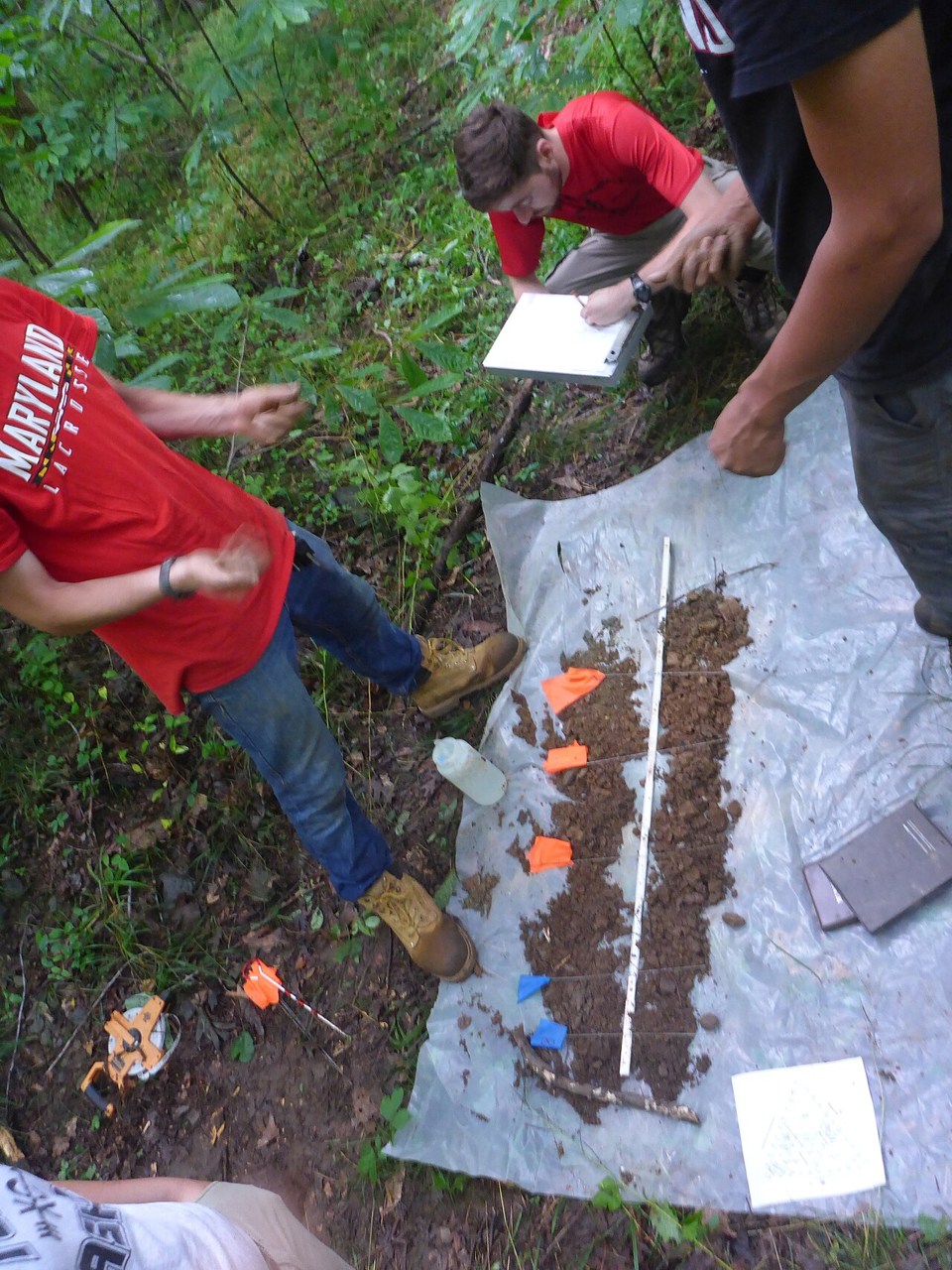
Return to the opening photograph. Ask students to identify one visible feature and explain which part of the model helps account for it.
Look more closely
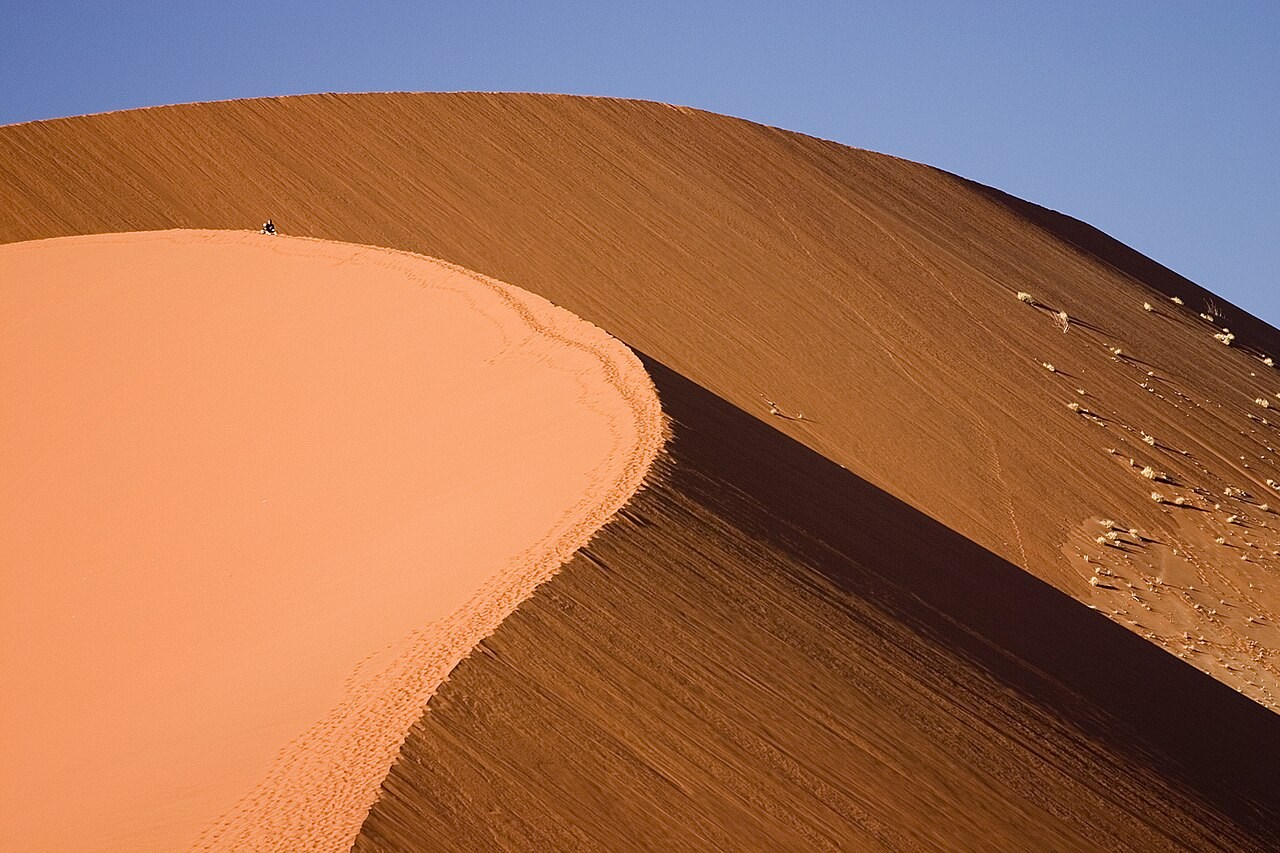
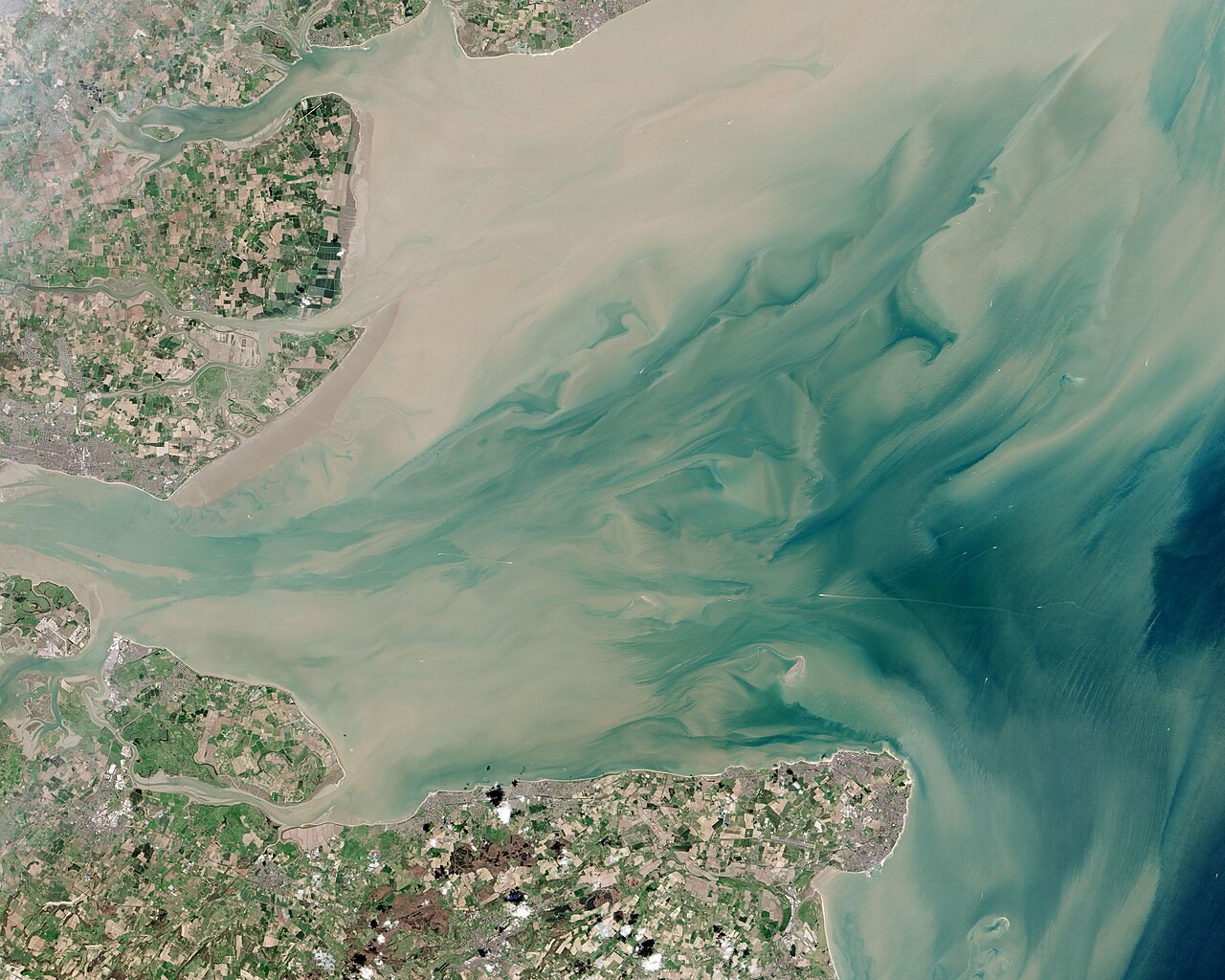
Use these observations to connect the vocabulary to features students can identify.
Sand
Silt
Sources to keep beside the lesson
- USDA texture triangle