Teachers
A lesson for your classroom or geography club
Earth rotation and the terminator
All teacher notes · Open the lab

A suggested lesson sequence
Use these stages at your own pace. Pause for students to sketch, compare observations or lead part of the demonstration.
01
Observe
Watch Earth turn eastward and follow a marked city from daylight into darkness. Identify the terminator before showing the time-zone bands.
02
Tinker
Pause and move the Day slider. Compare a quarter-turn with six hours of a mean solar day, then explain why the bands do not determine Earth’s rotation.
03
Explain
How does following one city across the terminator help explain the relationship between rotation and local solar time?
04
Check
Choose an answer and explain your reasoning. Each question includes feedback.
Rehearse with the model
The same scene and controls as the lab. Load it when you are ready; use Start projector for the full classroom view.
Before the lesson
Explain how Earth’s eastward rotation produces day and night, and relate a 15° difference in longitude to one hour of solar time.
Open the model before the lesson and choose a view that makes the important feature easy to see. Drag to rotate, and use the on-screen controls to change one variable at a time. The Controls panel explains the available keyboard shortcuts.
Pause the animation at a useful moment. Ask students what should happen next, then play it to test their explanation.
Guide the demonstration
Play the animation and watch Earth turn eastward and follow a marked city from daylight into darkness. Identify the terminator before showing the time-zone bands.
Pause and move the Day slider. Compare a quarter-turn with six hours of a mean solar day, then explain why the bands do not determine Earth’s rotation.
Discuss a common misconception
“Time zones determine where day and night occur.” Earth’s rotation carries places into and out of sunlight. Time zones assign civil clock times to regions; their boundaries reflect political and practical choices. Changing a time-zone boundary would change the clock label, while sunrise and sunset would still follow Earth’s rotation and the Sun’s direction.
Build the explanation
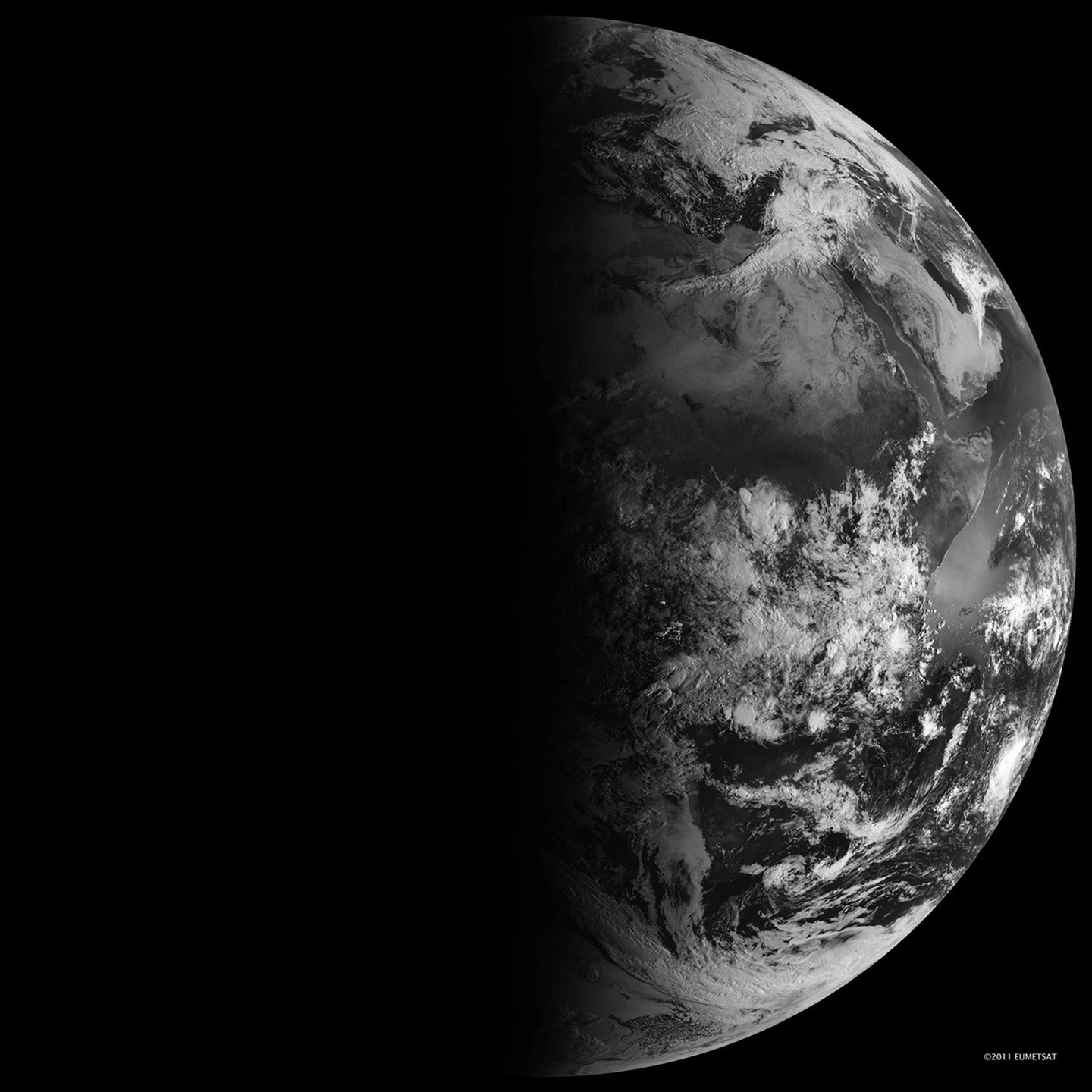
Earth turns eastward, carrying each location into sunlight and then darkness. The boundary between day and night is called the terminator; it separates the illuminated and unilluminated halves of Earth.
Pause and move the Day slider. Compare a quarter-turn with six hours of a mean solar day, then explain why the bands do not determine Earth’s rotation.
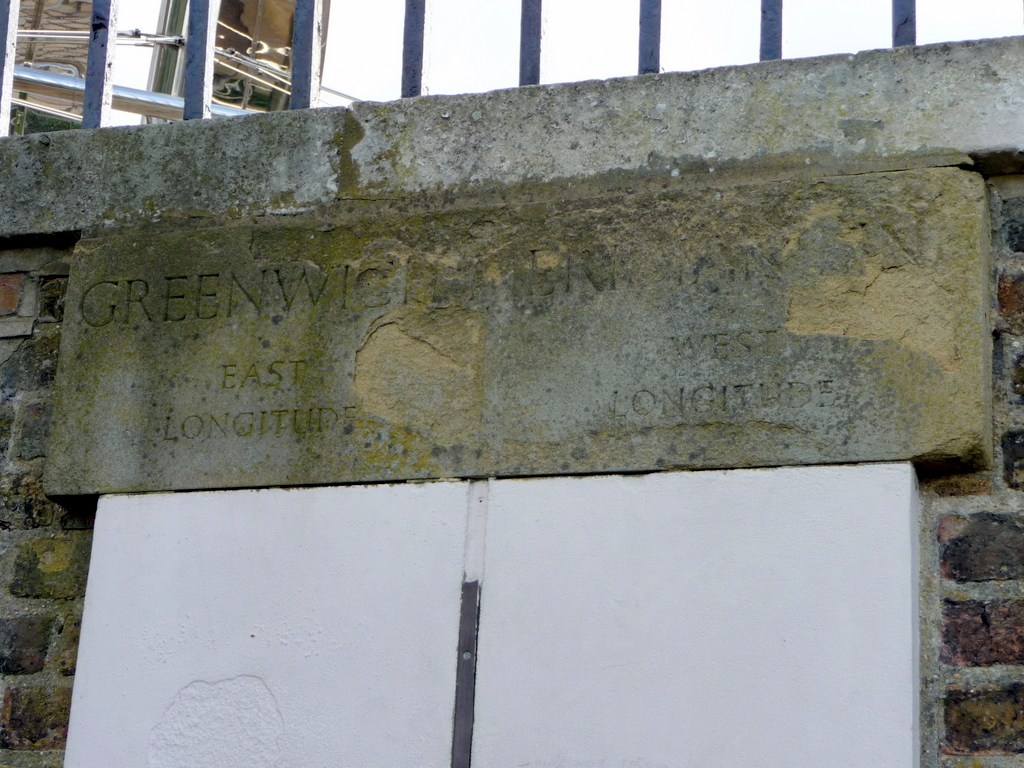
The time-zone bands divide longitude into ideal 15° intervals; actual civil time zones follow local decisions and borders.
Teaching notes
Check that Earth rotates from west to east when students describe the motion.
Distinguish the approximately 24-hour solar day from the slightly shorter sidereal day.
Ask students to follow one location across the day–night boundary before discussing time zones.
Check understanding
Open Check for 4 questions. Ask students to explain their choice before revealing the answer.
Return to the opening photograph. Ask students to identify one visible feature and explain which part of the model helps account for it.
Look more closely
Use these observations to connect the vocabulary to features students can identify.
Terminator
Meridian
Sources to keep beside the lesson
- Royal Observatory Greenwich
- USNO — sidereal vs solar day