Teachers
A lesson for your classroom or geography club
Solar system
All teacher notes · Open the lab
A suggested lesson sequence
Use these stages at your own pace. Pause for students to sketch, compare observations or lead part of the demonstration.
01
Observe
Play the inner orbits and compare periods and speed around each ellipse.
02
Tinker
Show all eight, then switch to physical scale and compare planet radii with the distances between their orbits.
03
Explain
How does orbital distance affect a planet’s period, and why is that difficult to show alongside its true size?
04
Check
Choose an answer and explain your reasoning. Each question includes feedback.
Rehearse with the model
The same scene and controls as the lab. Load it when you are ready; use Start projector for the full classroom view.
Before the lesson
Compare the sizes and orbital periods of planets, and explain why planets farther from the Sun take longer to orbit.
Open the model before the lesson and choose a view that makes the important feature easy to see. Drag to rotate, and use the on-screen controls to change one variable at a time. The Controls panel explains the available keyboard shortcuts.
Pause the animation at a useful moment. Ask students what should happen next, then play it to test their explanation.
Guide the demonstration
Play the inner orbits and compare periods and speed around each ellipse.
Show all eight, then switch to physical scale and compare planet radii with the distances between their orbits.
Discuss a common misconception
“A picture comparing planet sizes also shows their correct spacing.” Planet radii and orbital distances differ across such large ranges that many illustrations use separate scales for them. A size-comparison view may preserve relative radii while arranging planets close together. Check the stated scale before using a displayed gap as a physical distance.
Build the explanation
Planets differ enormously in size, orbital distance and period. Kepler’s laws connect distance with orbital period and explain why a planet moves faster near the Sun than farther away.
Show all eight, then switch to physical scale and compare planet radii with the distances between their orbits.
The orbital experiment uses fixed reference elements and chosen starting positions, so it does not show the planets’ locations today.
Teaching notes
Use the distance readings when comparing orbits because display spacing is adjusted for visibility.
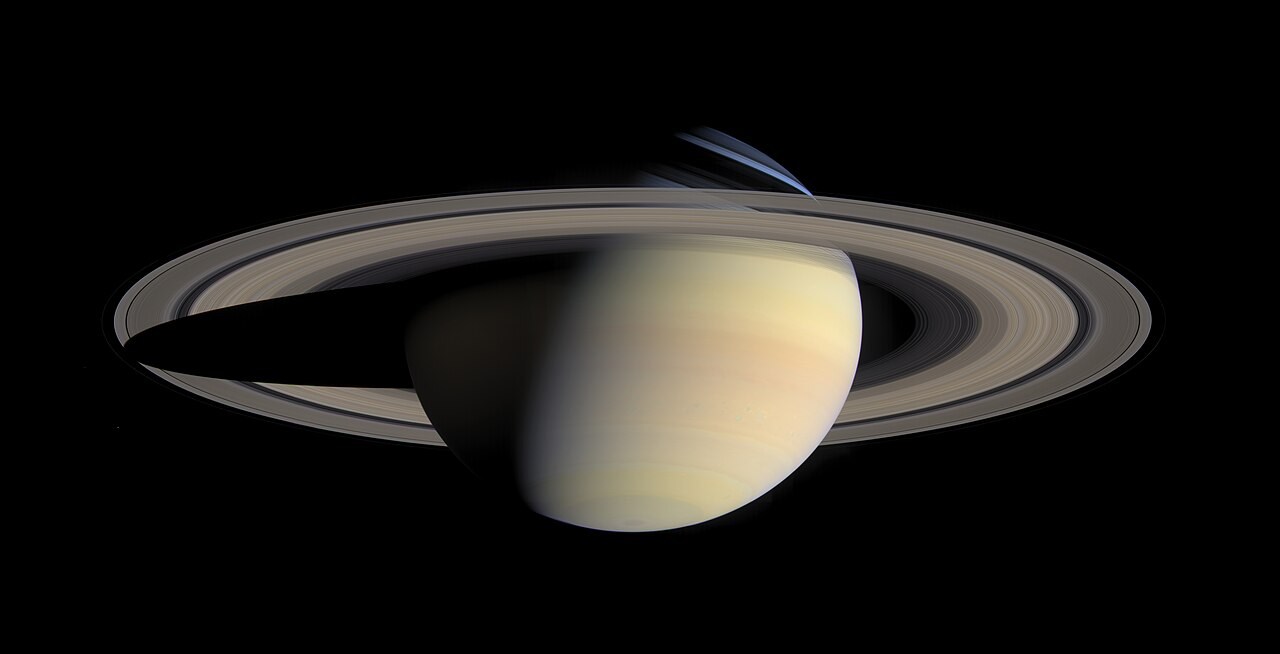
Describe planetary rings as collections of particles rather than solid discs.
Distinguish a model’s surface or cloud colours from measurements made by an observing instrument.
Check understanding
Open Check for 4 questions. Ask students to explain their choice before revealing the answer.
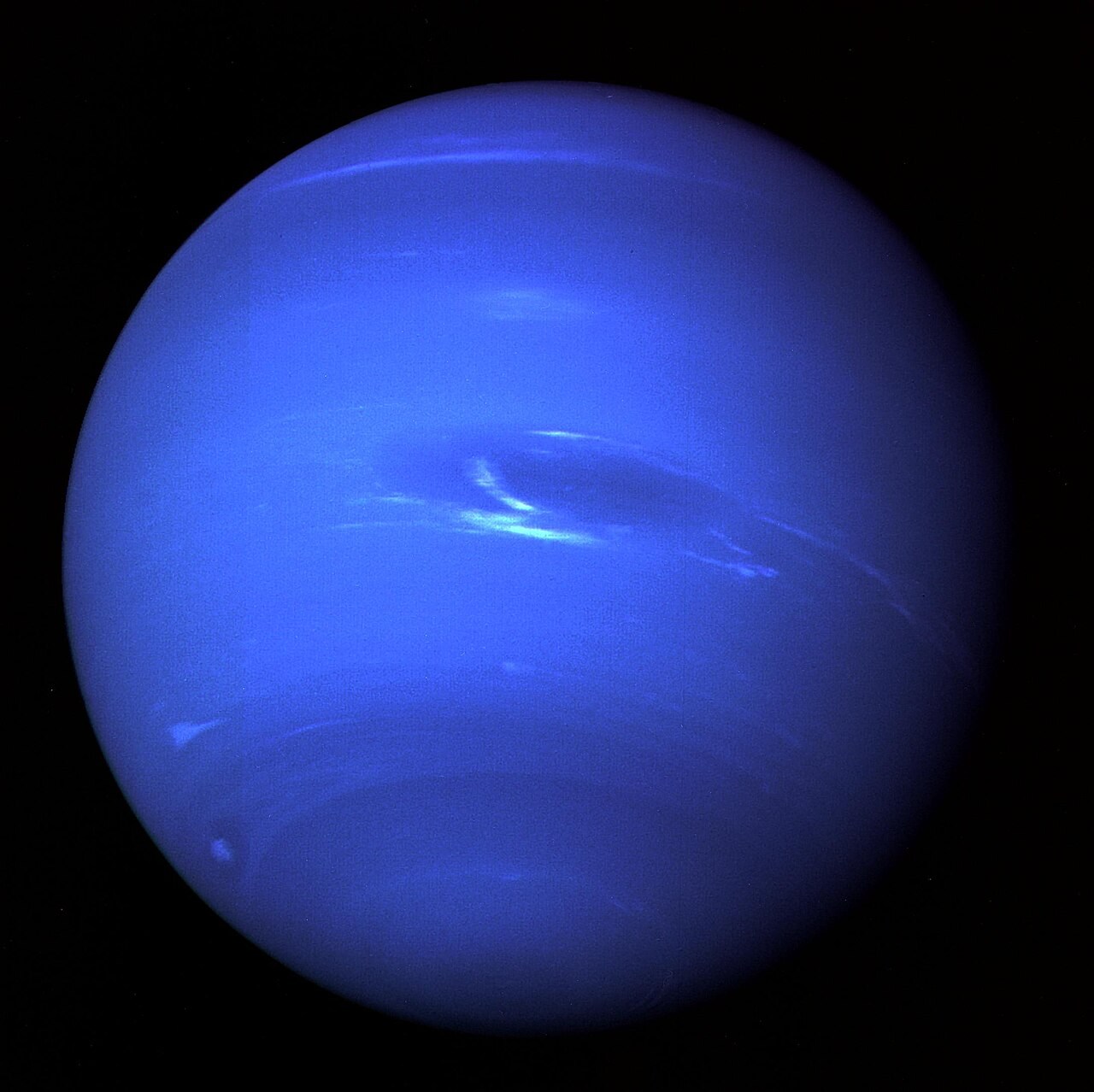
Return to the opening photograph. Ask students to identify one visible feature and explain which part of the model helps account for it.
Look more closely
Use these observations to connect the vocabulary to features students can identify.
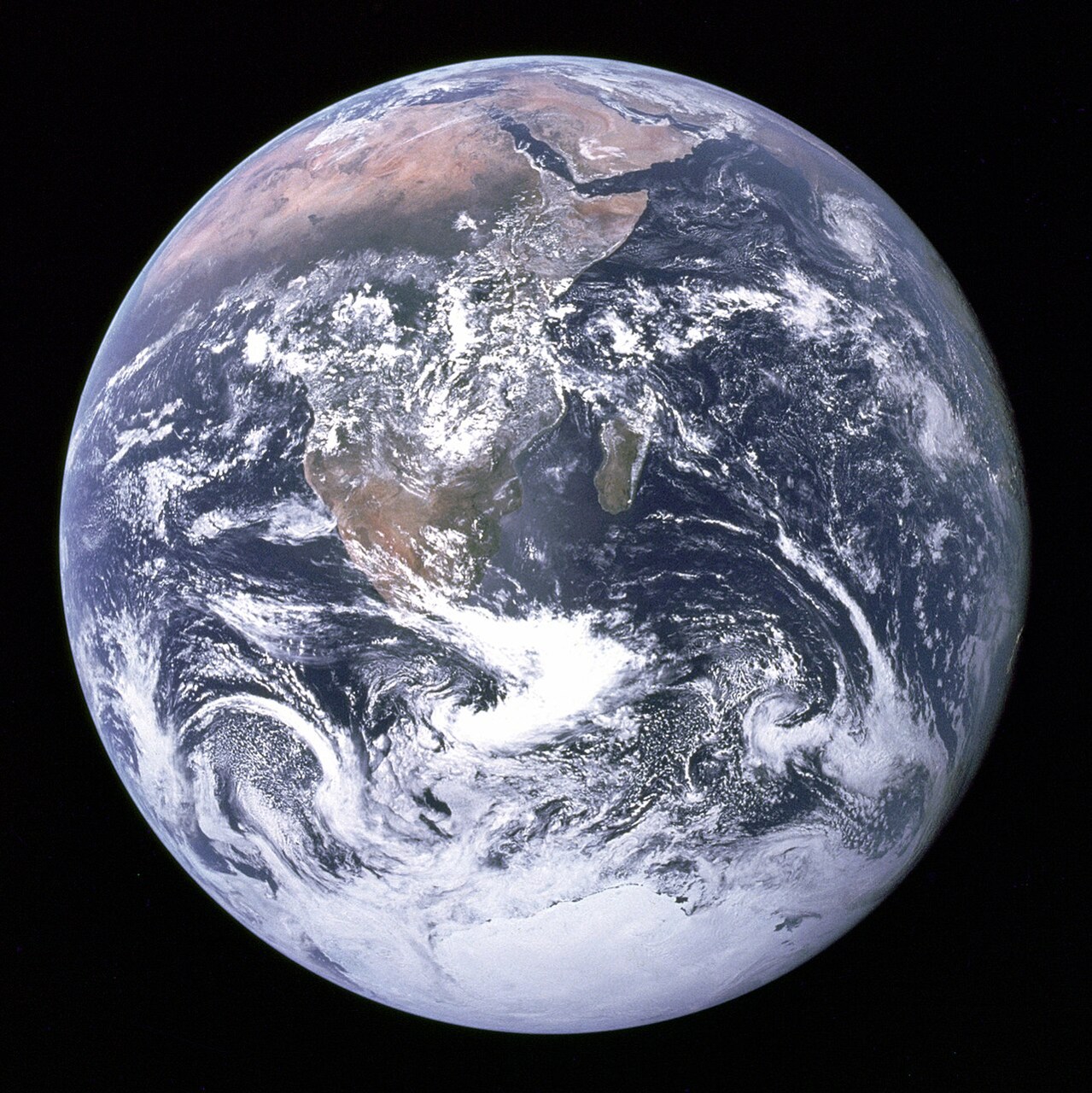
Terrestrial planet
Ice giant