Teachers
A lesson for your classroom or geography club
Thermal circulation
All teacher notes · Open the lab
A suggested lesson sequence
Use these stages at your own pace. Pause for students to sketch, compare observations or lead part of the demonstration.
01
Observe
Compare sea and land at local hour 15. Trace surface inflow towards the warmer land and return flow aloft.
02
Tinker
Scrub to hour 3 and identify the possible reversal. Select Urban heat and compare city with rural surroundings.
03
Explain
How does the temperature contrast between land and sea produce a circulation that may reverse overnight?
04
Check
Choose an answer and explain your reasoning. Each question includes feedback.
Rehearse with the model
The same scene and controls as the lab. Load it when you are ready; use Start projector for the full classroom view.
Before the lesson
Explain how unequal heating creates a circulation, then apply that reasoning to a coastal breeze and an urban heat island.
Open the model before the lesson and choose a view that makes the important feature easy to see. Drag to rotate, and use the on-screen controls to change one variable at a time. The Controls panel explains the available keyboard shortcuts.
Pause the animation at a useful moment. Ask students what should happen next, then play it to test their explanation.
Guide the demonstration
Compare sea and land at local hour 15. Trace surface inflow towards the warmer land and return flow aloft.
Scrub to hour 3 and identify the possible reversal. Select Urban heat and compare city with rural surroundings.
Discuss a common misconception
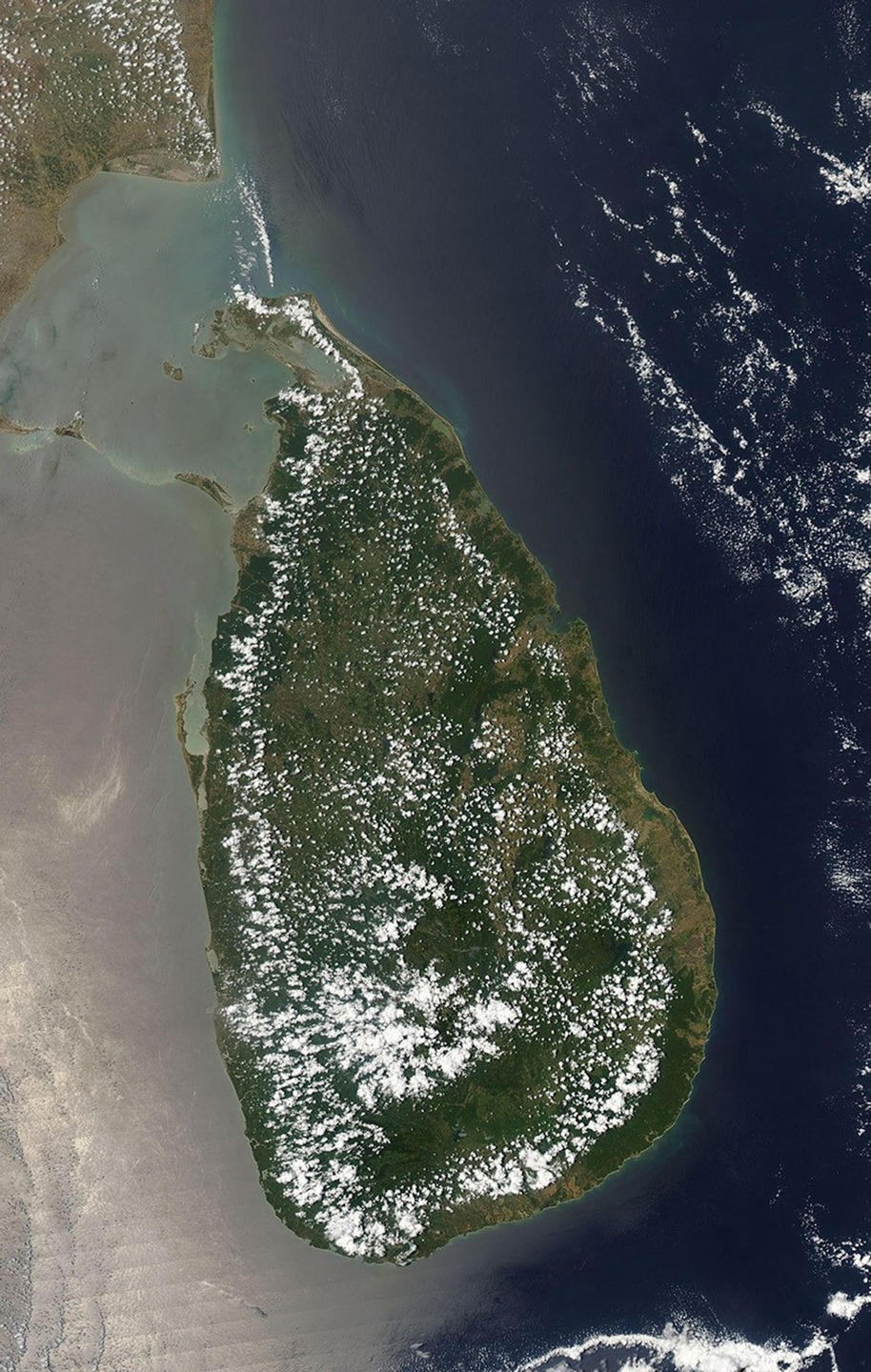
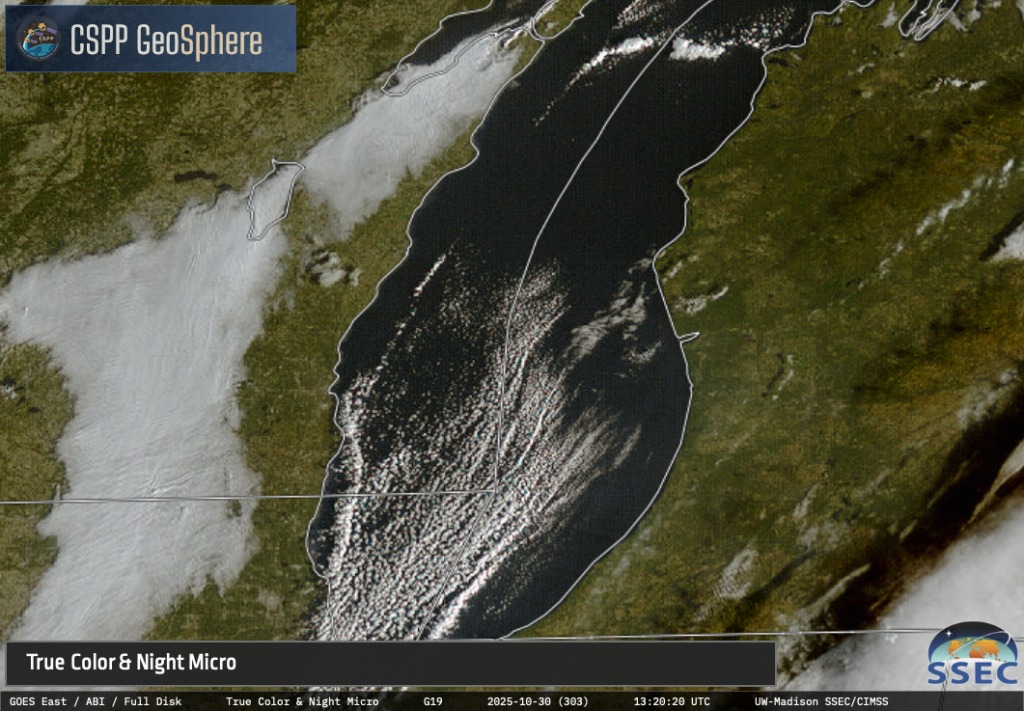
“A sea breeze always blows from sea to land, by day and by night.” A daytime sea breeze can develop when land warms faster than nearby water, creating a circulation with onshore flow near the surface. Overnight cooling may support a land breeze in the opposite direction. Background winds, clouds and coastal terrain can weaken or prevent either circulation.
Build the explanation
Unequal heating can create pressure differences and a circulation. Warm air expands and rises relative to its surroundings, with return flow completing the circulation at another level.
Scrub to hour 3 and identify the possible reversal. Select Urban heat and compare city with rural surroundings.
The illustrated circulation isolates differential heating; real winds also depend on rotation, friction and surrounding weather systems.
Teaching notes
Treat the selected land and sea temperatures as experimental inputs rather than observations from a particular coast.
Explain that local temperature contrasts favour breezes, while larger weather systems can change or suppress them.
Discuss the scale of the circulation rather than claiming that Coriolis becomes exactly zero in a local setting.
Check understanding
Open Check for 4 questions. Ask students to explain their choice before revealing the answer.
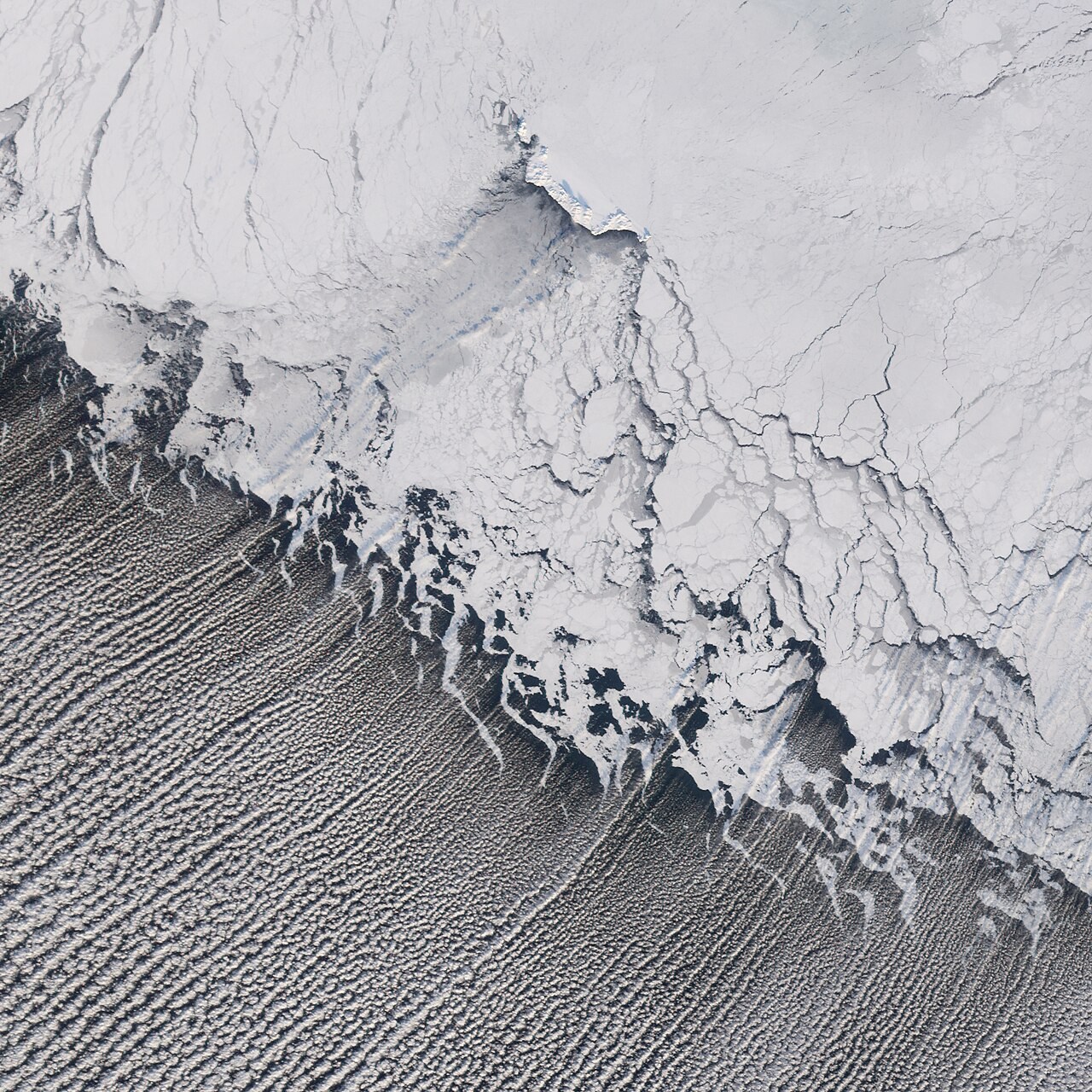
Return to the opening photograph. Ask students to identify one visible feature and explain which part of the model helps account for it.
Look more closely
Use these observations to connect the vocabulary to features students can identify.
Sea breeze
Land breeze
Sources to keep beside the lesson
- Met Office sea breezes
- NOAA urban heat
- NOAA sea and land breezes