Teachers
A lesson for your classroom or geography club
Atmosphere as a thin film
All teacher notes · Open the lab
A suggested lesson sequence
Use these stages at your own pace. Pause for students to sketch, compare observations or lead part of the demonstration.
01
Observe
Open Layer globe and name regions 1–4 using the key. Use Explode to separate the regions, then restore spacing. Switch to physical scale and compare the thickness of the atmosphere with Earth’s radius.
02
Tinker
Open Temperature profile. At lapse rate 6.5 °C/km, calculate 15 − 12 × 6.5 = −63 °C. Change the lapse rate to 4 °C/km and compare −33 °C.
03
Explain
How does the temperature profile distinguish atmospheric layers that have no solid boundary between them?
04
Check
Choose an answer and explain your reasoning. Each question includes feedback.
Rehearse with the model
The same scene and controls as the lab. Load it when you are ready; use Start projector for the full classroom view.
Before the lesson
Identify the main atmospheric layers and explain how changes in temperature with height help distinguish them.
Open the model before the lesson and choose a view that makes the important feature easy to see. Drag to rotate, and use the on-screen controls to change one variable at a time. The Controls panel explains the available keyboard shortcuts.
Ask students to predict the result before you change a setting. Compare the new view with the starting state.
Guide the demonstration
Open Layer globe and name regions 1–4 using the key. Use Explode to separate the regions, then restore spacing. Switch to physical scale and compare the thickness of the atmosphere with Earth’s radius.
Open Temperature profile. At lapse rate 6.5 °C/km, calculate 15 − 12 × 6.5 = −63 °C. Change the lapse rate to 4 °C/km and compare −33 °C.
Discuss a common misconception
“The tropopause is the top of the atmosphere.” The tropopause marks the boundary between the troposphere and stratosphere. Air continues far above it, becoming progressively less dense. Atmospheric layers are defined mainly by temperature structure, while the tropopause’s height changes with latitude, season and weather.
Build the explanation
Atmospheric layers are distinguished mainly by how temperature changes with altitude. Most weather occurs in the troposphere, while absorption of ultraviolet radiation helps warm the stratosphere above it.
Open Temperature profile. At lapse rate 6.5 °C/km, calculate 15 − 12 × 6.5 = −63 °C. Change the lapse rate to 4 °C/km and compare −33 °C.
Layer boundaries vary with place and season; the atmosphere is drawn thicker so its vertical structure can be inspected.
Teaching notes
Return exploded layers to their original positions before comparing atmospheric thicknesses.
Explain that the tropopause separates layers within the atmosphere; air continues above it.
Connect stratospheric warming with the absorption of ultraviolet radiation rather than proximity to the Sun.
Check understanding
Open Check for 4 questions. Ask students to explain their choice before revealing the answer.
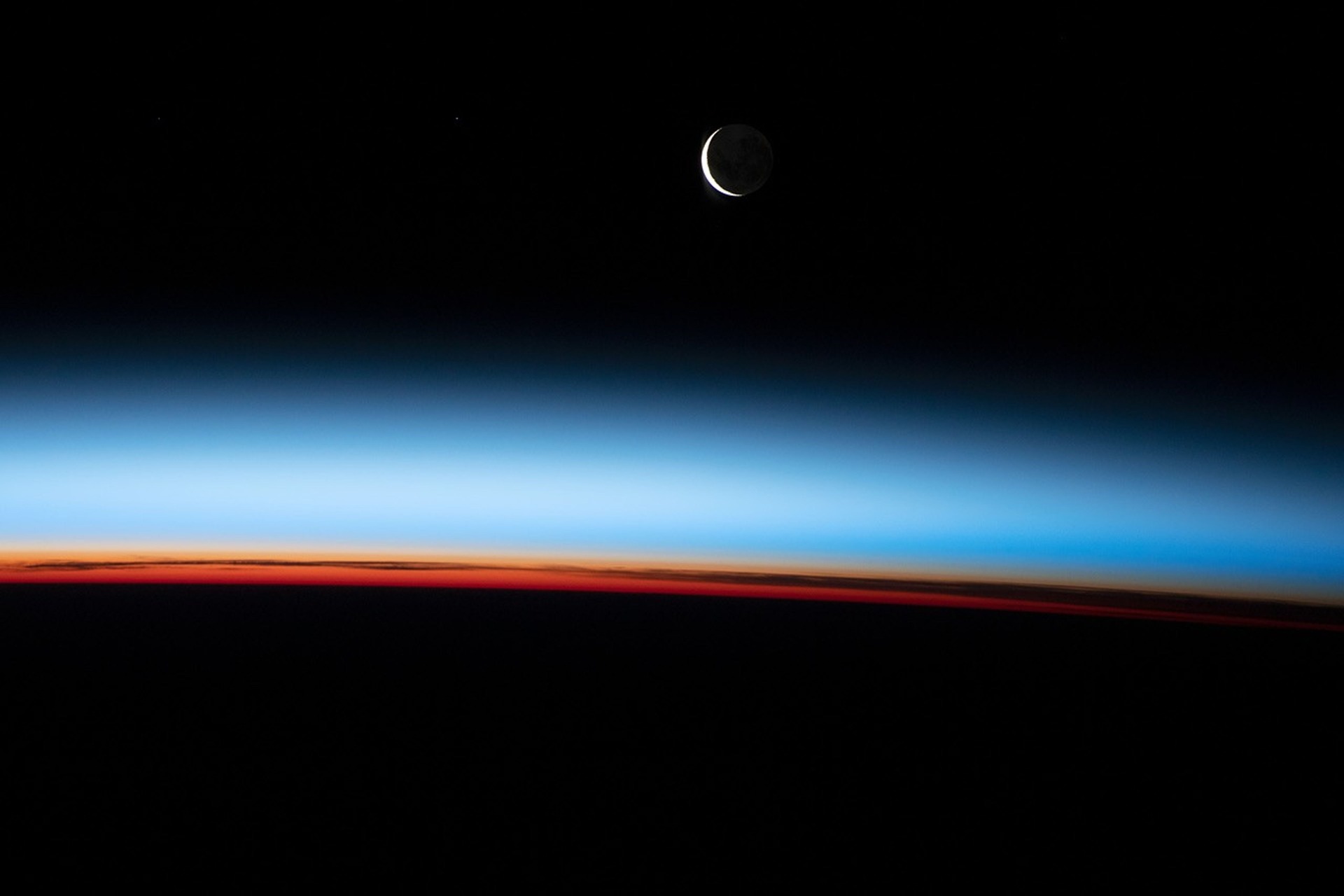
Return to the opening photograph. Ask students to identify one visible feature and explain which part of the model helps account for it.
Look more closely
Use these observations to connect the vocabulary to features students can identify.
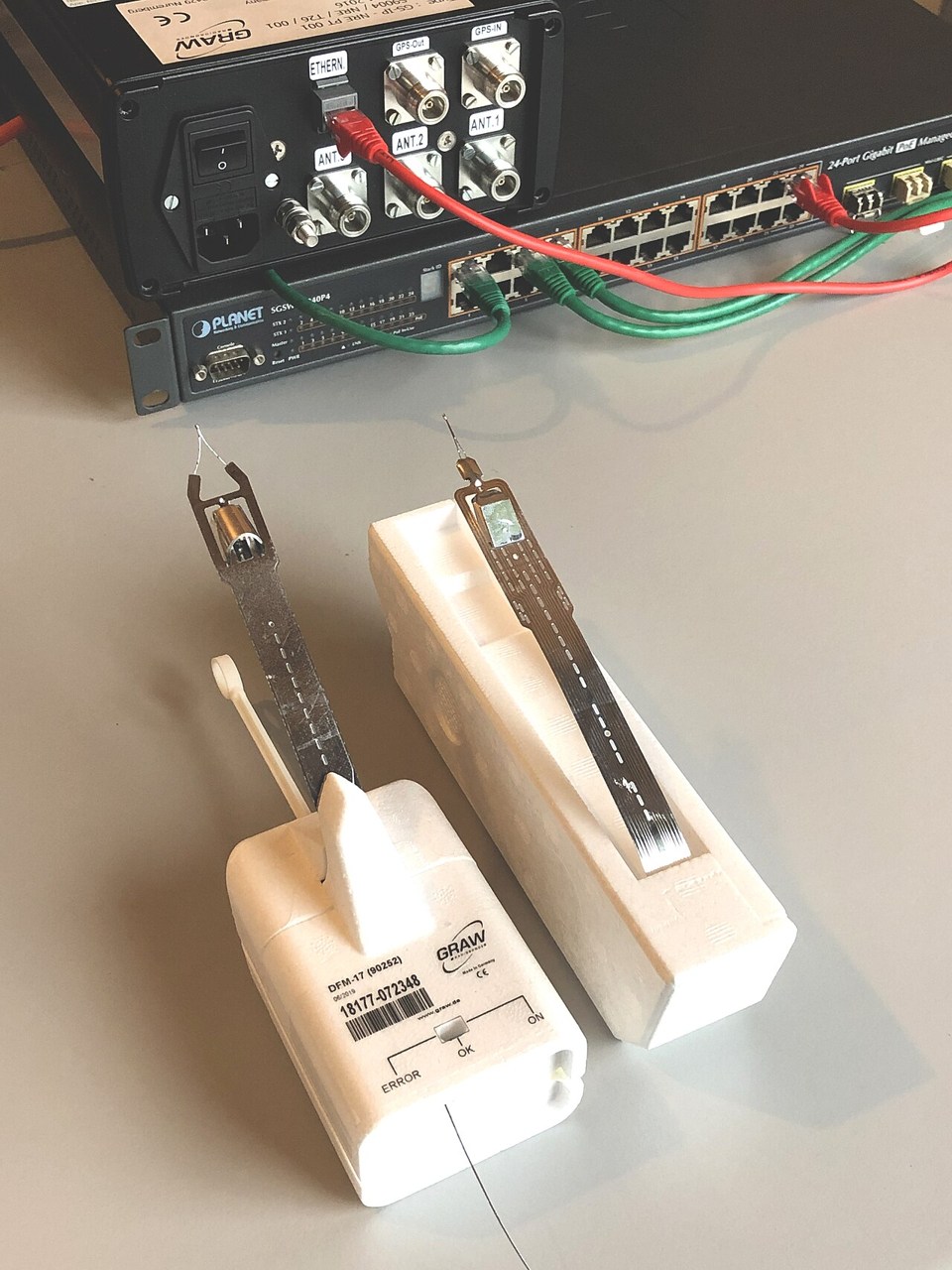
Lapse rate
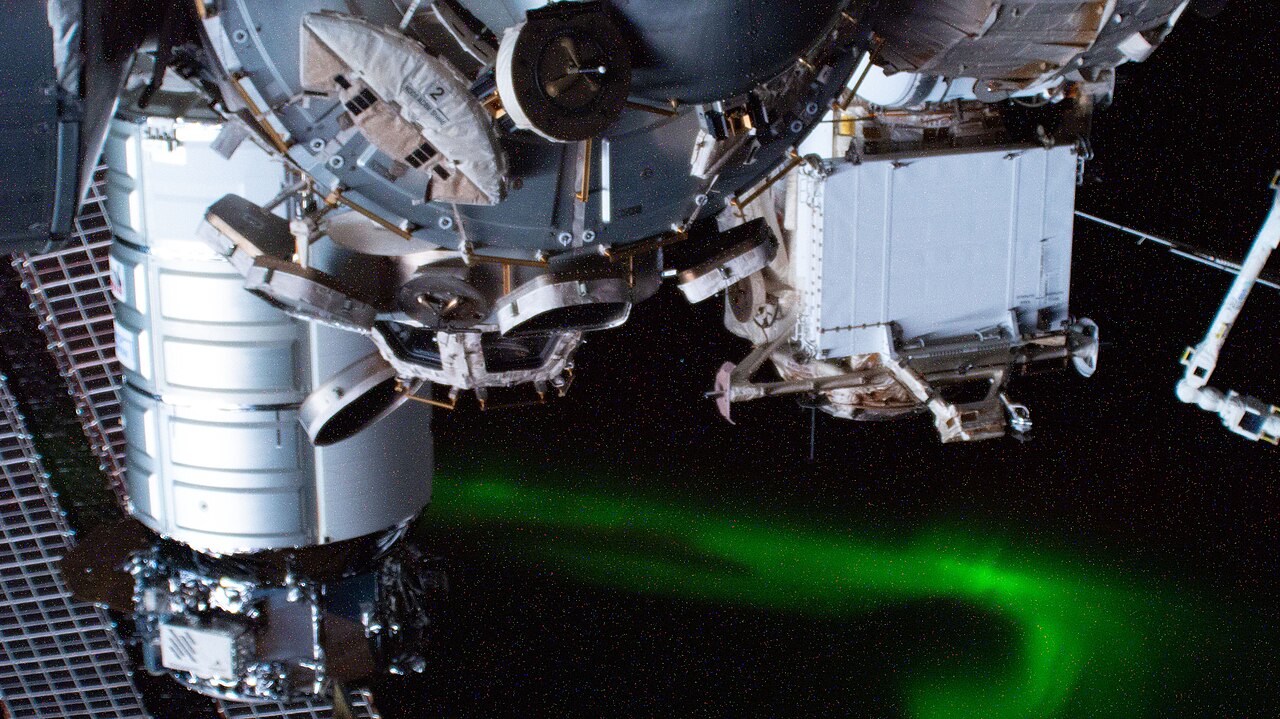
Thermosphere
Sources to keep beside the lesson
- NOAA layers of the atmosphere
- Met Office radiosondes
Watch an explanation
The film stays paused until you play it.
What Does the Atmosphere Do? Crash Course Geography #6 Crash Course