Teachers
A lesson for your classroom or geography club
Wind, PGF and Coriolis
All teacher notes · Open the lab
A suggested lesson sequence
Use these stages at your own pace. Pause for students to sketch, compare observations or lead part of the demonstration.
01
Observe
Identify the lower-pressure side and predict the pressure-gradient arrow. Compare north and south hemispheres at steady balance.
02
Tinker
Add friction and describe the cross-isobar component. Select Release from rest and scrub Process.
03
Explain
Why does adding friction change both the speed and direction of the wind?
04
Check
Choose an answer and explain your reasoning. Each question includes feedback.
Rehearse with the model
The same scene and controls as the lab. Load it when you are ready; use Start projector for the full classroom view.
Before the lesson
Explain how pressure differences start air moving and how Earth’s rotation and surface friction change its direction.
Open the model before the lesson and choose a view that makes the important feature easy to see. Drag to rotate, and use the on-screen controls to change one variable at a time. The Controls panel explains the available keyboard shortcuts.
Pause the animation at a useful moment. Ask students what should happen next, then play it to test their explanation.
Guide the demonstration
Identify the lower-pressure side and predict the pressure-gradient arrow. Compare north and south hemispheres at steady balance.
Add friction and describe the cross-isobar component. Select Release from rest and scrub Process.
Discuss a common misconception
“Wind always blows straight from high pressure to low pressure.” The pressure-gradient force accelerates air towards lower pressure, while Earth’s rotation deflects moving air and friction affects flow near the surface. Their combined effects determine wind direction. Winds aloft can run approximately along isobars, while surface winds commonly cross them towards lower pressure.
Build the explanation
Air accelerates in response to pressure differences. Earth’s rotation deflects its motion, while surface friction changes both wind speed and the angle at which it crosses pressure contours.
Add friction and describe the cross-isobar component. Select Release from rest and scrub Process.
The selected pressure field and drag isolate these forces; changing a slider is not a prediction of wind at a real location.
Teaching notes
Explain Coriolis as an apparent deflection in Earth’s rotating reference frame and check the direction in each hemisphere.
Use large-scale atmospheric examples rather than sinks or toilets to demonstrate the Coriolis effect.
Distinguish the pressure-gradient force that accelerates air from friction that slows it and changes its direction.
Check understanding
Open Check for 4 questions. Ask students to explain their choice before revealing the answer.
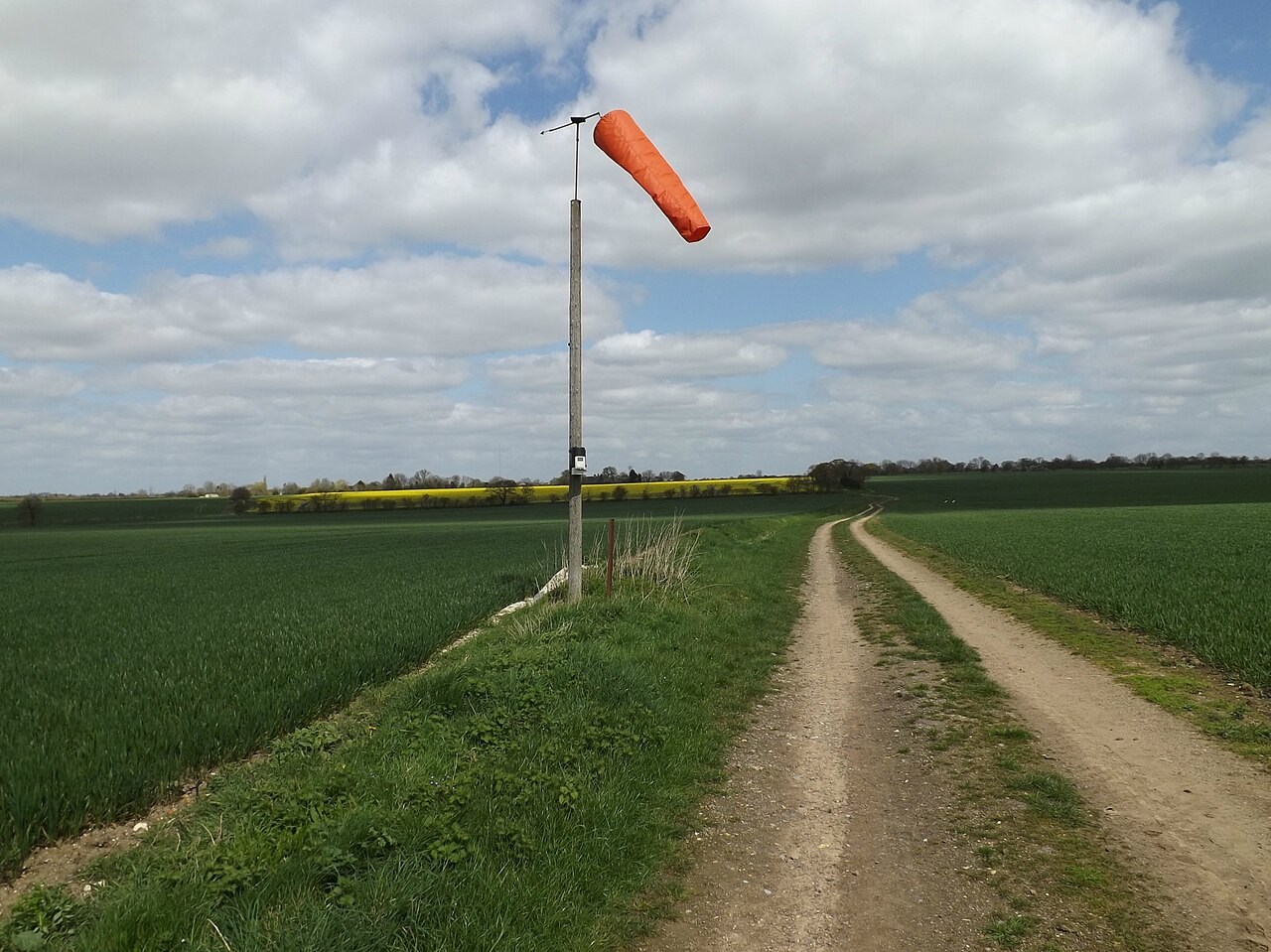
Return to the opening photograph. Ask students to identify one visible feature and explain which part of the model helps account for it.
Look more closely
Use these observations to connect the vocabulary to features students can identify.
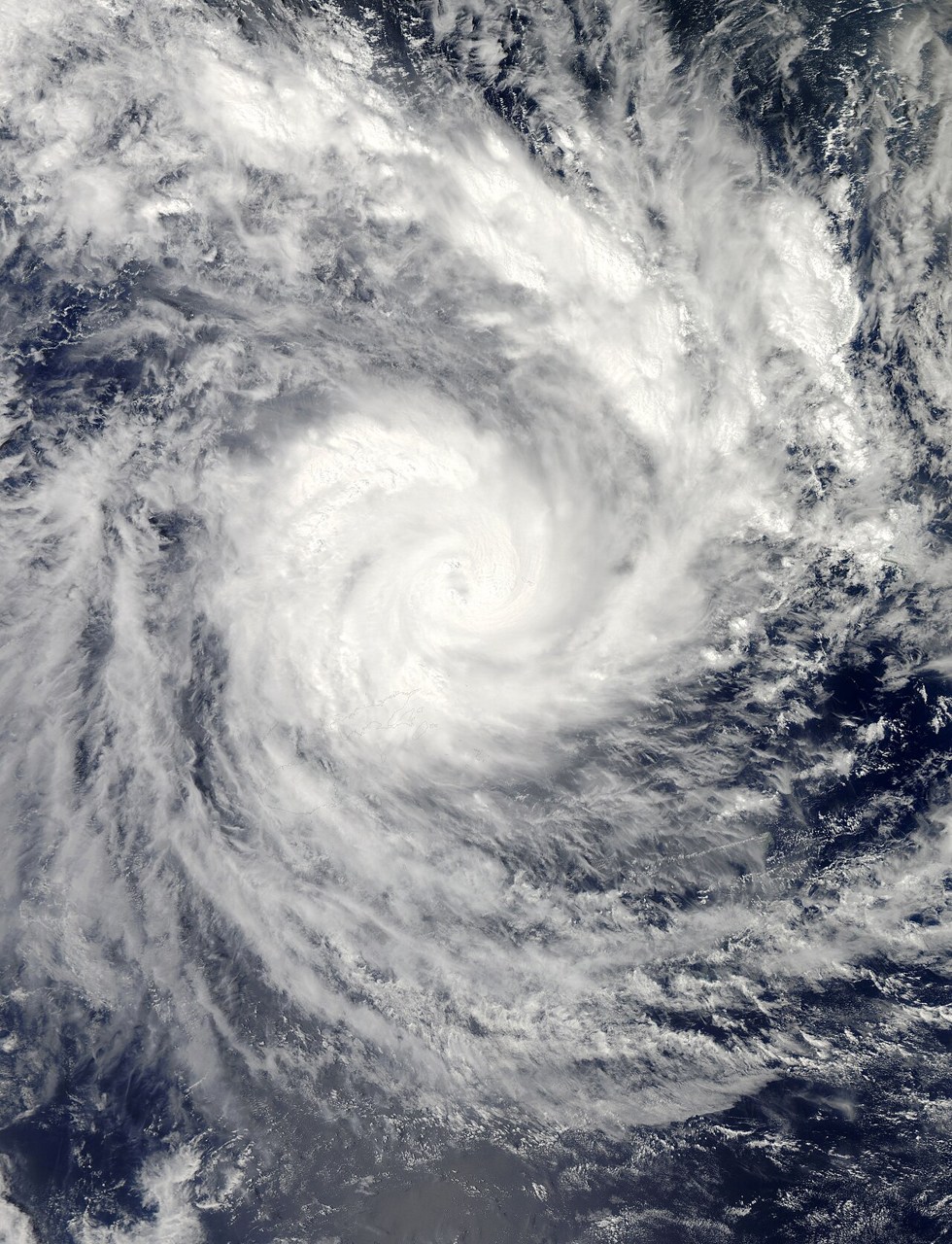
Coriolis
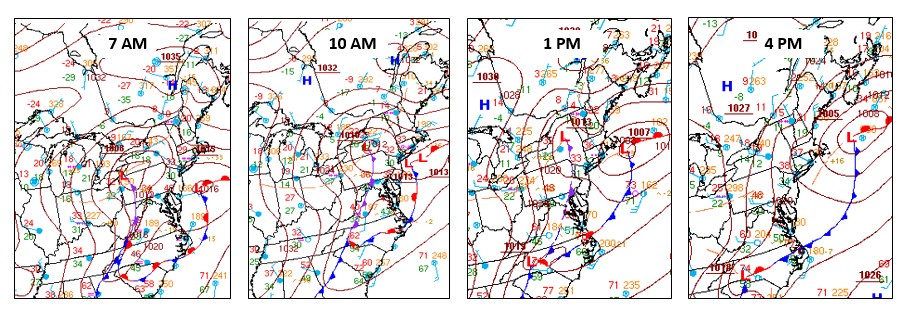
PGF
Sources to keep beside the lesson
- Met Office charts
- NOAA jet stream
- Hong Kong Observatory: geostrophic wind