Teachers
A lesson for your classroom or geography club
Tides
All teacher notes · Open the lab
A suggested lesson sequence
Use these stages at your own pace. Pause for students to sketch, compare observations or lead part of the demonstration.
01
Observe
Play the month and identify the two broad tidal bulges, one towards the Moon and one on the opposite side of Earth.
02
Tinker
Compare alignment of Sun and Moon with a right-angle arrangement. Describe the difference between spring and neap tides.
03
Explain
Why is the tidal range larger when the Sun and Moon align than when they are at right angles?
04
Check
Choose an answer and explain your reasoning. Each question includes feedback.
Rehearse with the model
The same scene and controls as the lab. Load it when you are ready; use Start projector for the full classroom view.
Before the lesson
Explain how the relative positions of the Moon and Sun produce the difference between spring and neap tides.
Open the model before the lesson and choose a view that makes the important feature easy to see. Drag to rotate, and use the on-screen controls to change one variable at a time. The Controls panel explains the available keyboard shortcuts.
Pause the animation at a useful moment. Ask students what should happen next, then play it to test their explanation.
Guide the demonstration
Play the month and identify the two broad tidal bulges, one towards the Moon and one on the opposite side of Earth.
Compare alignment of Sun and Moon with a right-angle arrangement. Describe the difference between spring and neap tides.
Discuss a common misconception
“Spring tides occur only during the spring season.” Spring tides are periods of relatively large tidal range around new and full Moon, when solar and lunar tide-generating effects reinforce each other. They occur throughout the year. The height and timing at an actual coast also depend on water depth, basin shape and local conditions.
Build the explanation
The Moon’s gravitational attraction varies across Earth, creating a tide-generating effect with two broad bulges. The Sun also contributes: aligned effects produce spring tides, while roughly perpendicular effects produce neap tides.
Compare alignment of Sun and Moon with a right-angle arrangement. Describe the difference between spring and neap tides.
These are equilibrium tides; coastlines, ocean depth and basin resonance strongly affect actual tidal heights and timing.
Teaching notes
Explain that spring tides refer to an increased tidal range and can occur in any season.
Include both sides of the equilibrium tidal pattern when discussing the Moon’s influence.
Distinguish astronomical tides from wind-driven storm surge and tsunami waves.
Check understanding
Open Check for 4 questions. Ask students to explain their choice before revealing the answer.
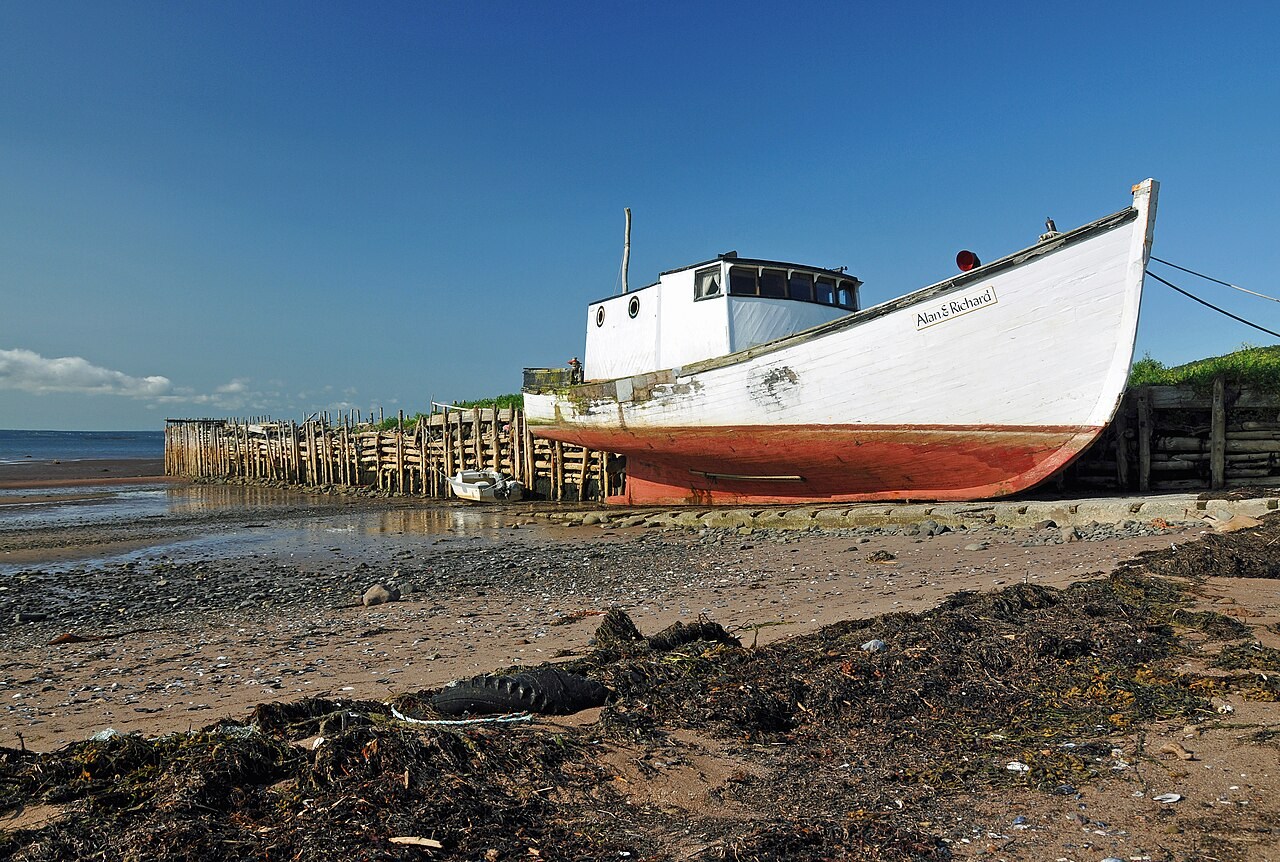
Return to the opening photograph. Ask students to identify one visible feature and explain which part of the model helps account for it.
Look more closely
Use these observations to connect the vocabulary to features students can identify.
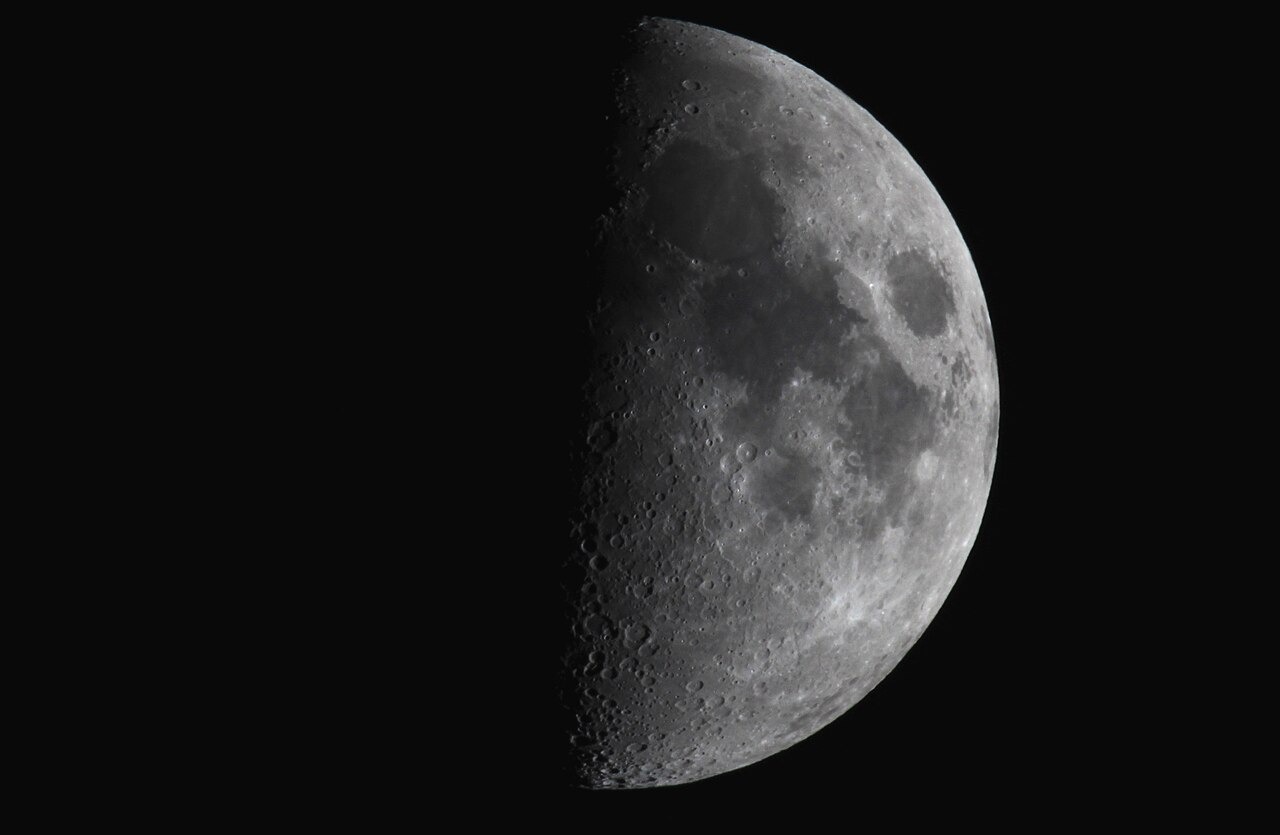
Neap tide
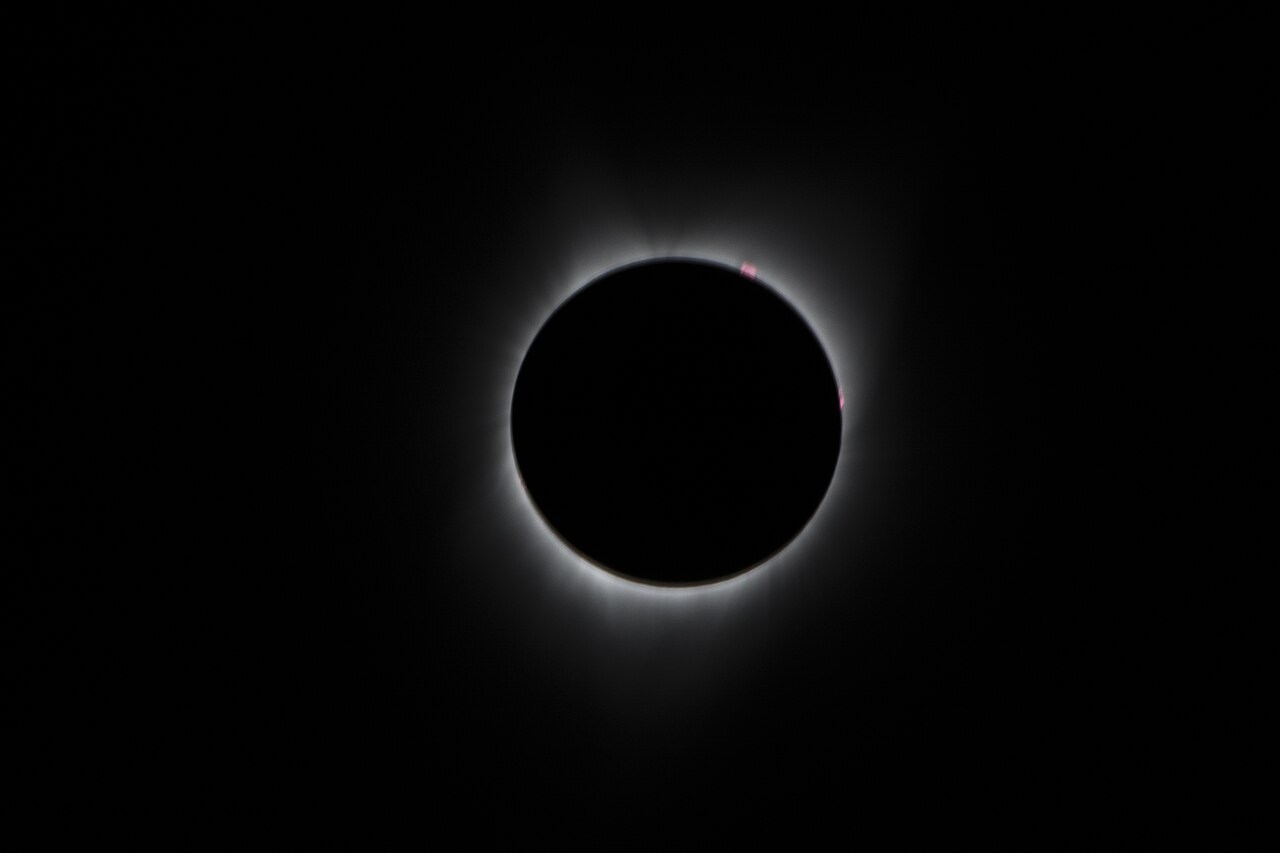
Syzygy
Sources to keep beside the lesson
- NOAA tides
- UKHO