Teachers
A lesson for your classroom or geography club
Folds and faults
All teacher notes · Open the lab
A suggested lesson sequence
Use these stages at your own pace. Pause for students to sketch, compare observations or lead part of the demonstration.
01
Observe
Choose Anticline and identify the oldest bed. Compare Syncline; explain why age and shape are different criteria.
02
Tinker
Choose Normal fault and name hanging wall before playing. Reverse the sense of slip with Reverse fault, then compare lateral displacement in Strike-slip.
03
Explain
Use the movement of the hanging wall to distinguish a normal fault from a reverse fault.
04
Check
Choose an answer and explain your reasoning. Each question includes feedback.
Rehearse with the model
The same scene and controls as the lab. Load it when you are ready; use Start projector for the full classroom view.
Before the lesson
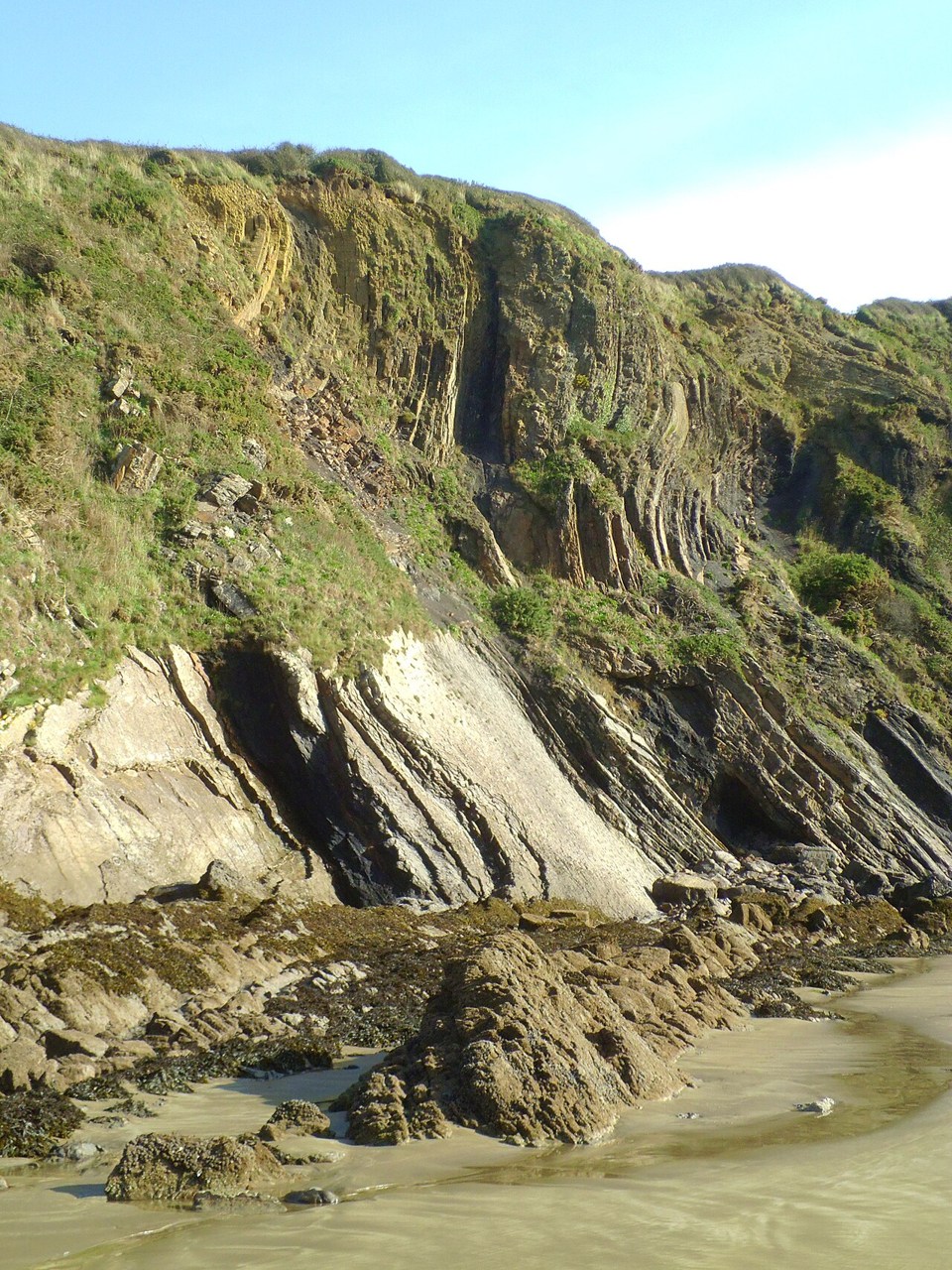
Compare the rock deformation caused by compression, tension and sideways motion, using folds and faults as evidence.
Open the model before the lesson and choose a view that makes the important feature easy to see. Drag to rotate, and use the on-screen controls to change one variable at a time. The Controls panel explains the available keyboard shortcuts.
Pause the animation at a useful moment. Ask students what should happen next, then play it to test their explanation.
Guide the demonstration
Choose Anticline and identify the oldest bed. Compare Syncline; explain why age and shape are different criteria.
Choose Normal fault and name hanging wall before playing. Reverse the sense of slip with Reverse fault, then compare lateral displacement in Strike-slip.
Discuss a common misconception
“The hanging wall is always the side of a fault that moves down.” The hanging wall is defined by its position above an inclined fault plane. It moves down relative to the footwall in a normal fault and up in a reverse fault. Identify the plane and blocks before using their displacement to name the fault type.
Build the explanation
Rock layers may bend into folds or break and move along faults. Layer age, orientation and relative movement help distinguish structures that can look similar from one viewing angle.
Choose Normal fault and name hanging wall before playing. Reverse the sense of slip with Reverse fault, then compare lateral displacement in Strike-slip.
The deformation is prescribed to reveal structure; it does not solve rock failure or the stresses at a particular site.
Teaching notes
Identify the hanging wall and footwall from their positions relative to the fault plane before describing movement.
Explain how rock can deform over geological time; a soft classroom material only helps visualise the resulting shape.
Distinguish horizontal movement along the San Andreas system from subduction at Cascadia.
Check understanding
Open Check for 4 questions. Ask students to explain their choice before revealing the answer.
Return to the opening photograph. Ask students to identify one visible feature and explain which part of the model helps account for it.
Look more closely
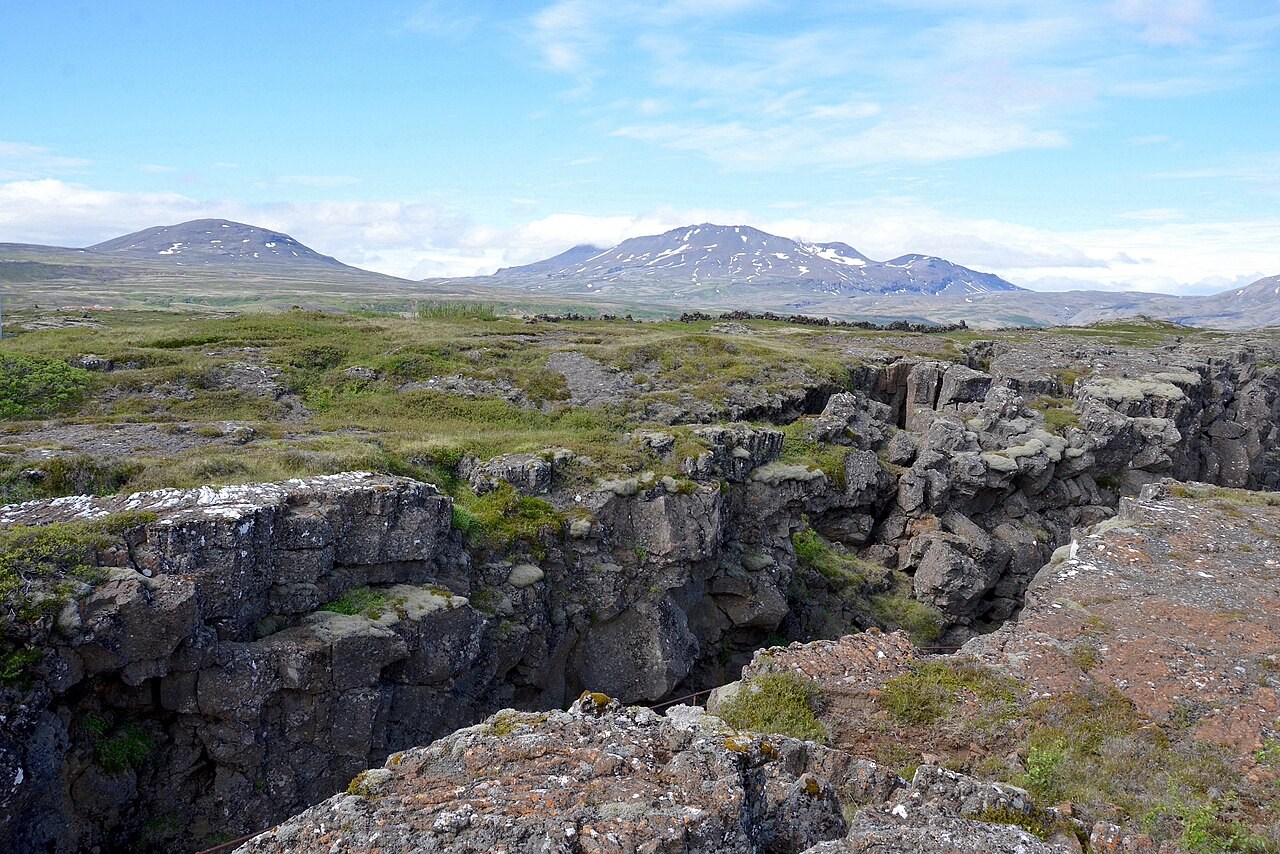
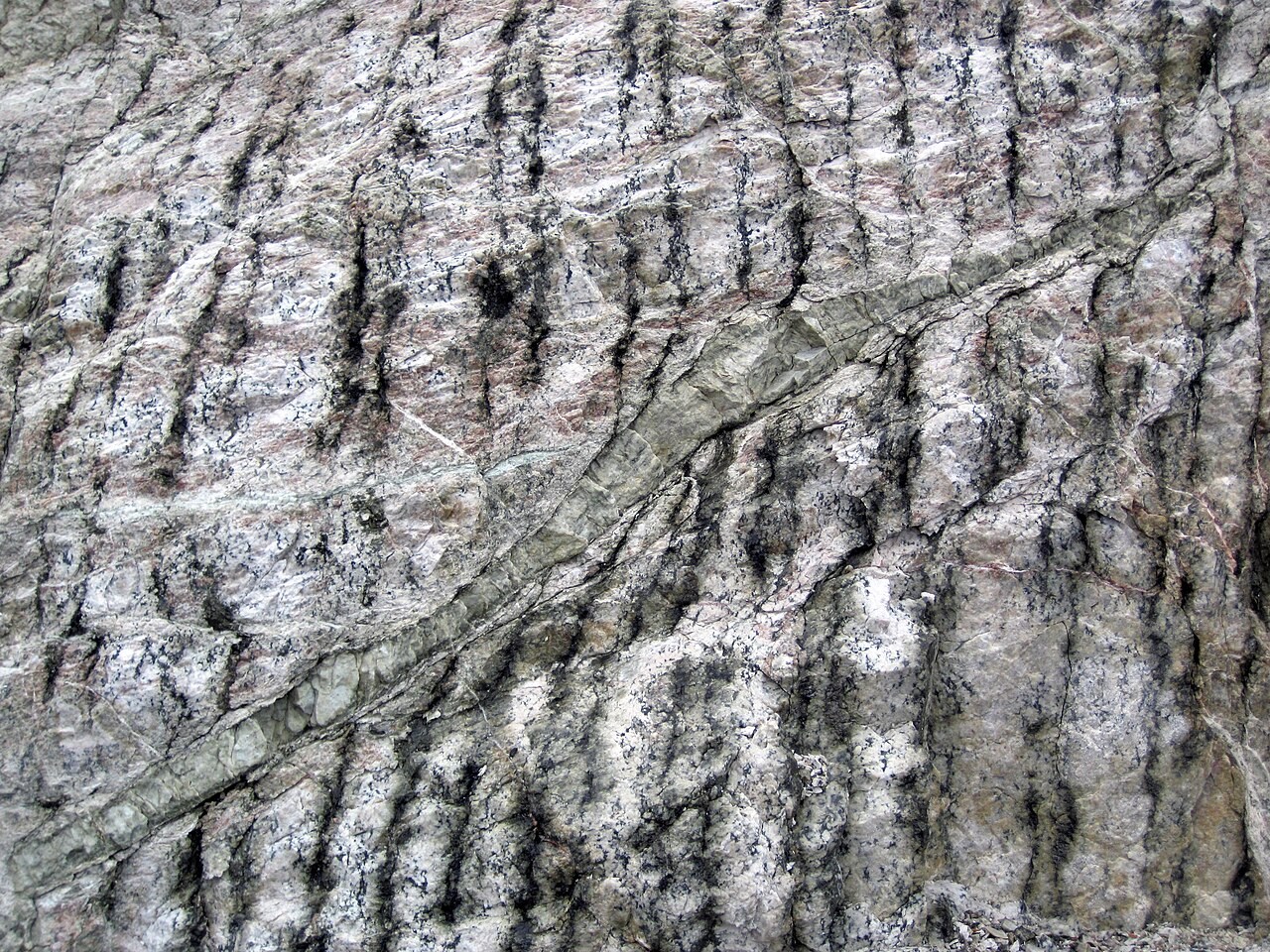
Use these observations to connect the vocabulary to features students can identify.
Normal fault
Reverse fault
Sources to keep beside the lesson
- USGS faults
- BGS structure
- BGS folds and fault attribution