Teachers
A lesson for your classroom or geography club
Periglacial landforms
All teacher notes · Open the lab
A suggested lesson sequence
Use these stages at your own pace. Pause for students to sketch, compare observations or lead part of the demonstration.
01
Observe
Define permafrost and distinguish ground ice from a glacier. Play a year and identify seasonal thaw above the dashed maximum active-layer depth.
02
Tinker
Increase Wedge development and trace the tapering ice mass. Explain winter thermal contraction, crack infilling and refreezing.
03
Explain
Explain how repeated thermal cracking and refreezing build an ice wedge over many years.
04
Check
Choose an answer and explain your reasoning. Each question includes feedback.
Rehearse with the model
The same scene and controls as the lab. Load it when you are ready; use Start projector for the full classroom view.
Before the lesson
Explain how repeated freezing and thawing produce ice wedges and patterned ground in cold landscapes.
Open the model before the lesson and choose a view that makes the important feature easy to see. Drag to rotate, and use the on-screen controls to change one variable at a time. The Controls panel explains the available keyboard shortcuts.
Pause the animation at a useful moment. Ask students what should happen next, then play it to test their explanation.
Guide the demonstration
Define permafrost and distinguish ground ice from a glacier. Play a year and identify seasonal thaw above the dashed maximum active-layer depth.
Increase Wedge development and trace the tapering ice mass. Explain winter thermal contraction, crack infilling and refreezing.
Discuss a common misconception
“Permafrost is simply a glacier buried beneath the soil.” Permafrost is ground that remains at or below zero degrees Celsius for at least two consecutive years. It may contain ground ice, but it need not be entirely frozen water. Seasonal thaw can affect the active layer above it, while glaciers are separate bodies of accumulated, flowing ice.
Build the explanation
Permafrost is ground that remains at or below 0 °C for at least two years. Seasonal thaw affects its active layer, while repeated thermal cracking and refreezing can build ice wedges.
Increase Wedge development and trace the tapering ice mass. Explain winter thermal contraction, crack infilling and refreezing.
The annual cycle and accumulated wedge width are separate comparisons; the width slider does not specify a growth rate.
Teaching notes
Distinguish processes in cold ground from erosion and deposition by moving glacier ice.
Explain ice wedges through repeated cracking and freezing rather than describing them as river channels.
Consider whether a landform records past cold conditions when interpreting relict features in the Cairngorms.
Check understanding
Open Check for 4 questions. Ask students to explain their choice before revealing the answer.
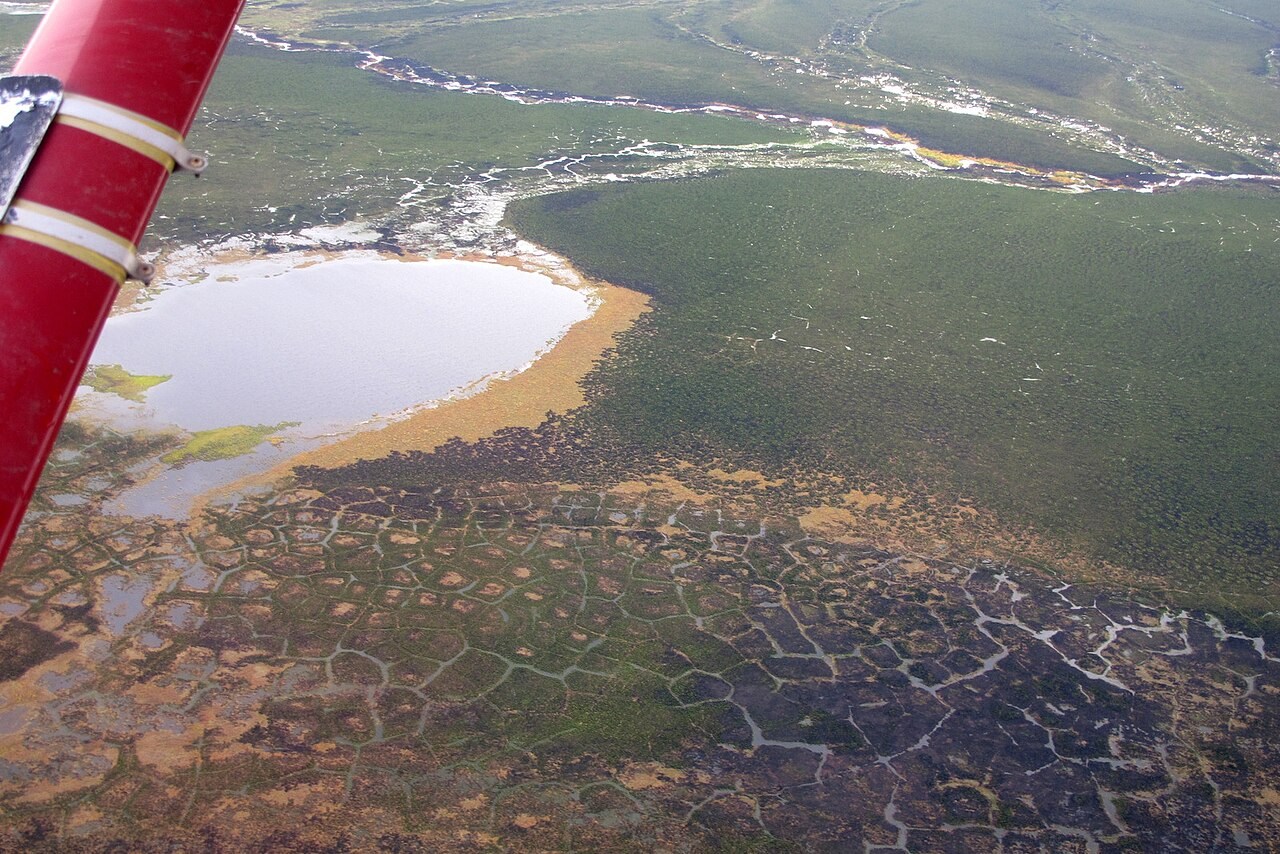
Return to the opening photograph. Ask students to identify one visible feature and explain which part of the model helps account for it.
Look more closely
Use these observations to connect the vocabulary to features students can identify.
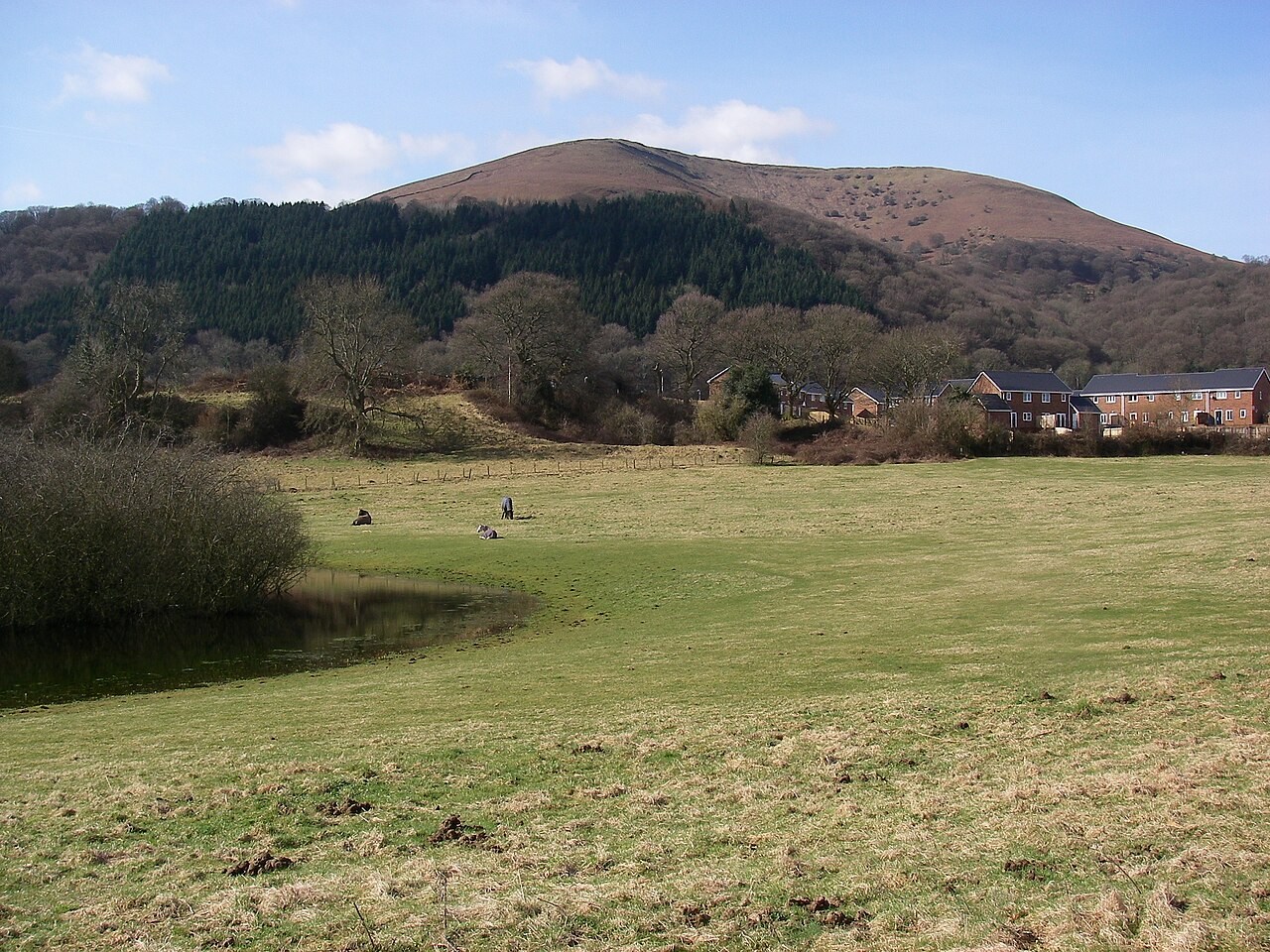
Nivation
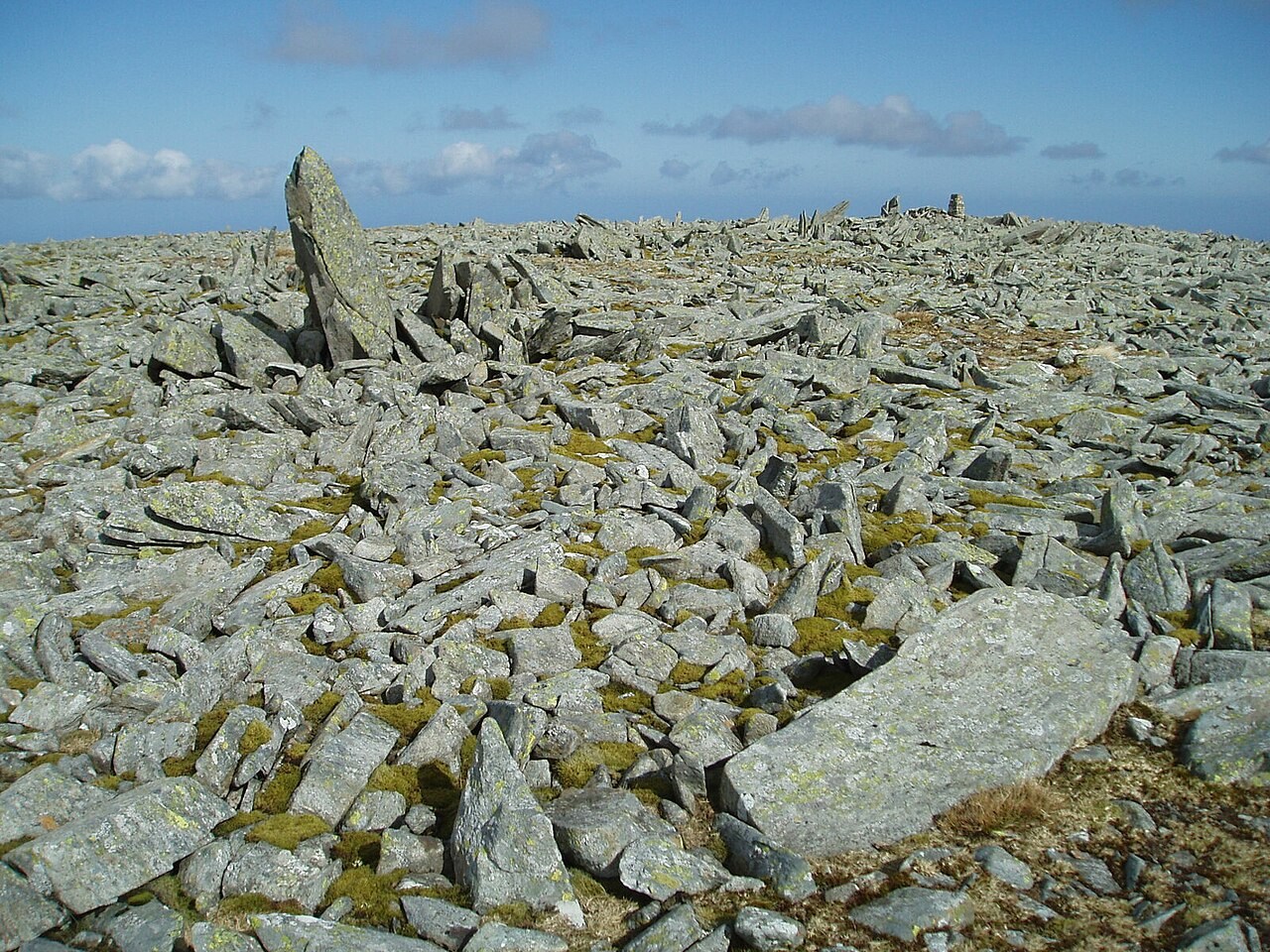
Blockfield
Sources to keep beside the lesson
- BGS periglacial
- USGS / NSIDC permafrost
- USGS ice-wedge growth
- NSIDC ice wedges