Teachers
A lesson for your classroom or geography club
Wilson cycle
All teacher notes · Open the lab
A suggested lesson sequence
Use these stages at your own pace. Pause for students to sketch, compare observations or lead part of the demonstration.
01
Observe
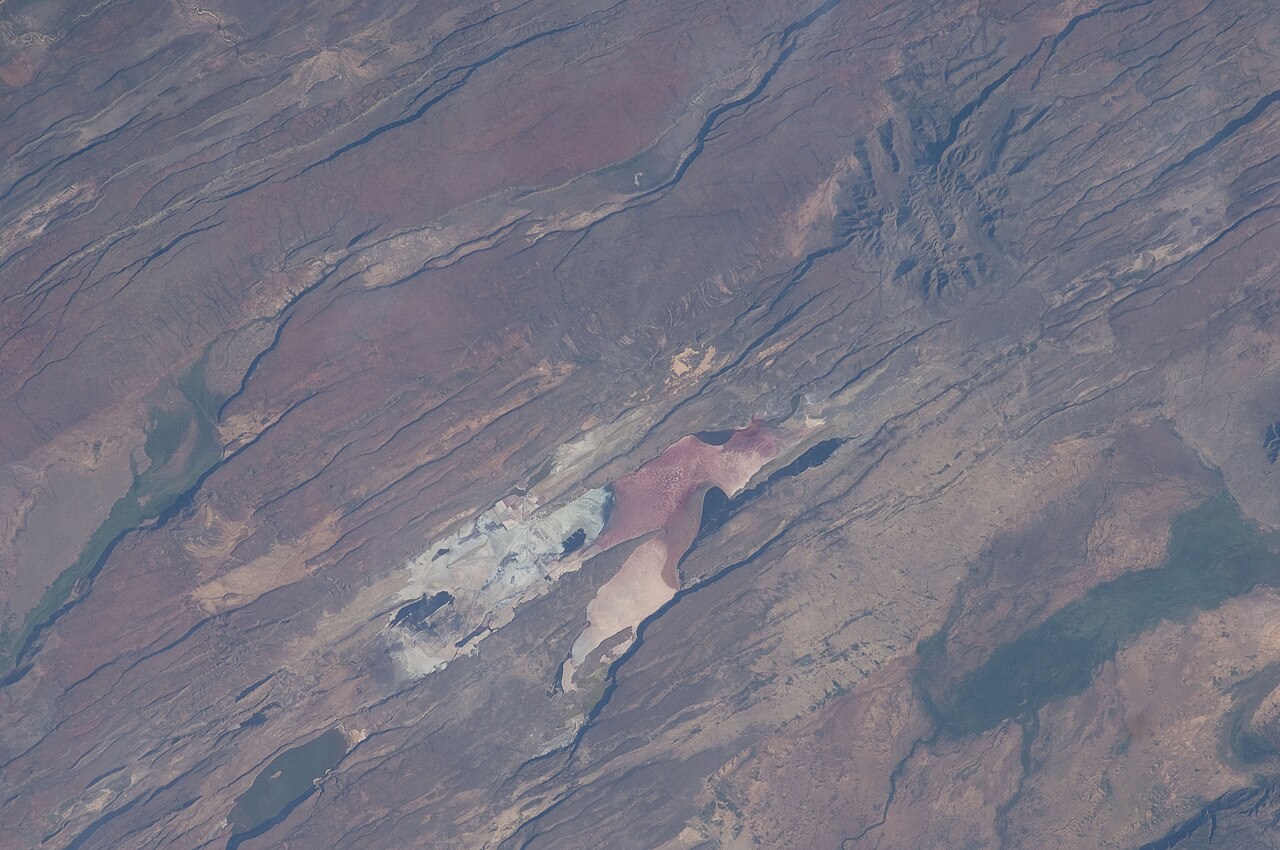
Choose Continental rift, then Young ocean. Locate the ridge and thin oceanic crust in Open ocean.
02
Tinker
Switch to Subduction begins and follow the slab. Compare Ocean closes with Continental collision and identify the root.
03
Explain
How does subduction turn an expanding ocean into a closing basin?
04
Check
Choose an answer and explain your reasoning. Each question includes feedback.
Rehearse with the model
The same scene and controls as the lab. Load it when you are ready; use Start projector for the full classroom view.
Before the lesson
Follow the opening and closing of an ocean basin and relate continental collision to the formation of mountain belts.
Open the model before the lesson and choose a view that makes the important feature easy to see. Drag to rotate, and use the on-screen controls to change one variable at a time. The Controls panel explains the available keyboard shortcuts.
Ask students to predict the result before you change a setting. Compare the new view with the starting state.
Guide the demonstration
Choose Continental rift, then Young ocean. Locate the ridge and thin oceanic crust in Open ocean.
Switch to Subduction begins and follow the slab. Compare Ocean closes with Continental collision and identify the root.
Discuss a common misconception
“Every ocean basin follows the same fixed timetable from opening to closure.” The Wilson cycle organises possible stages of rifting, ocean spreading, subduction and collision. Real basins differ in geometry, plate motions and duration, and some rifts stop developing. The framework helps interpret geological evidence without prescribing one schedule for every ocean.
Build the explanation
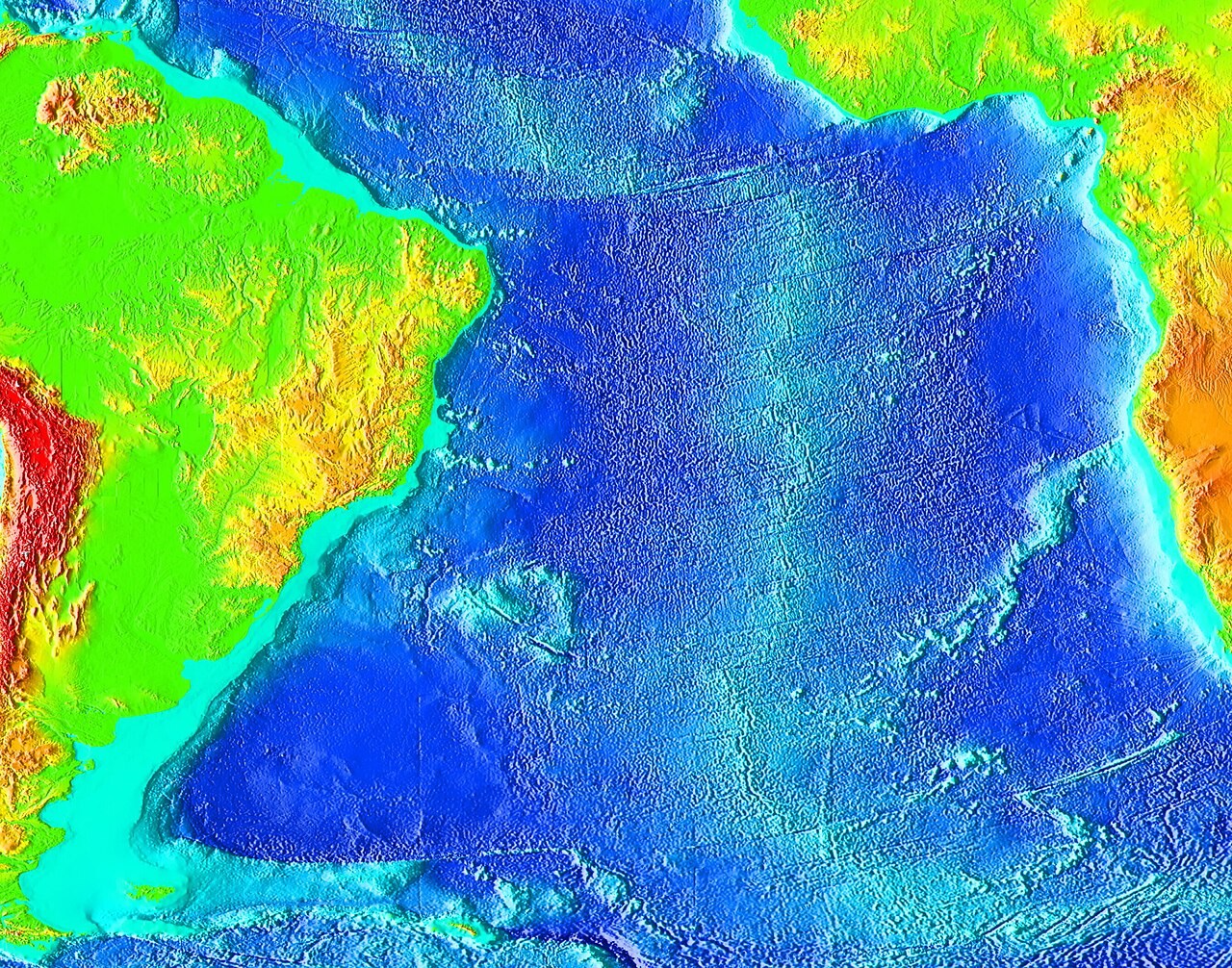
Continental rifting can open an ocean basin, while subduction can later consume oceanic lithosphere and bring continents together. Mountain belts can preserve evidence of oceans that have closed.
Switch to Subduction begins and follow the slab. Compare Ocean closes with Continental collision and identify the root.
The six stages organise possible tectonic changes; they are not a fixed schedule followed by every ocean basin.
Teaching notes
Use Pangaea as one example within a longer history of continental assembly and breakup.
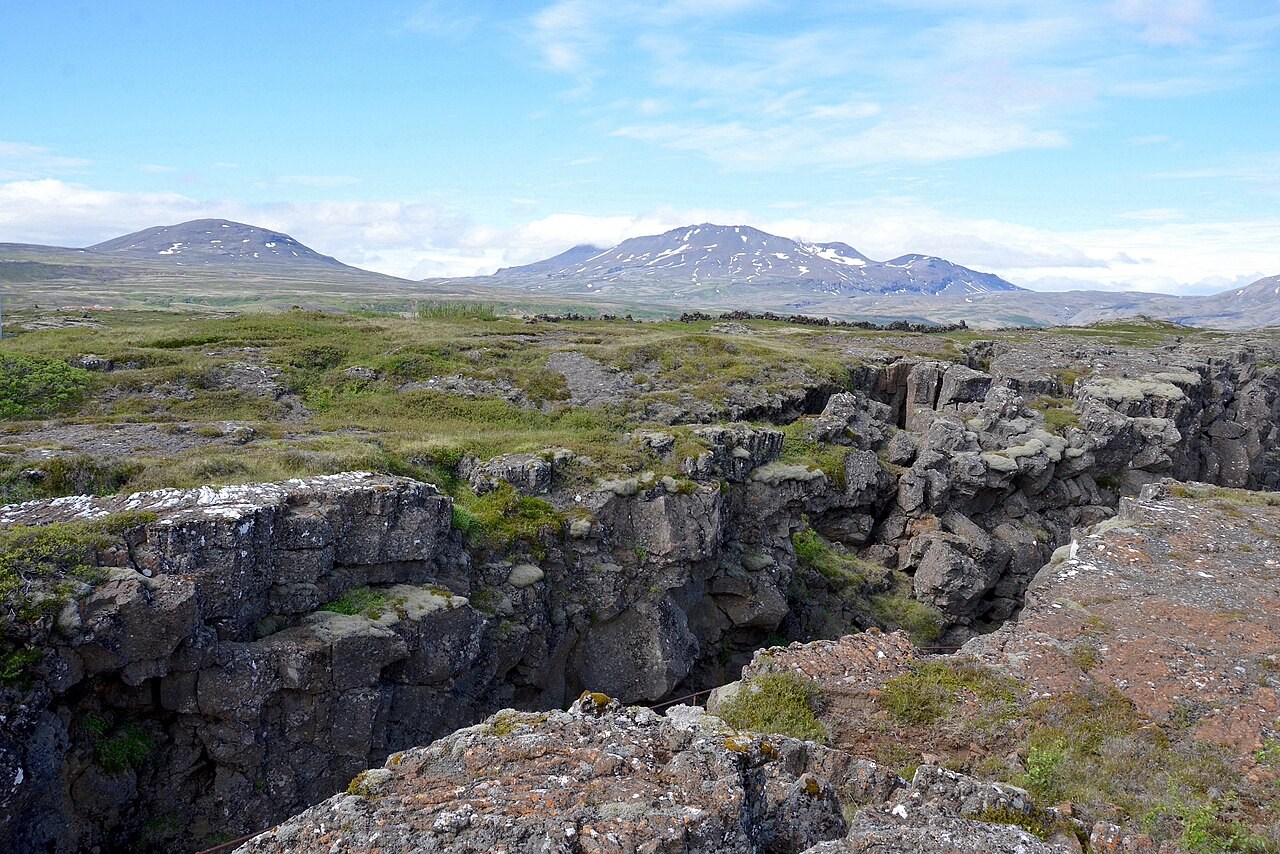
Place Iceland at a divergent boundary rather than using it as an example of continental collision.
Connect the closing of an ocean with later mountain building while allowing for more complex histories in real regions.
Check understanding
Open Check for 4 questions. Ask students to explain their choice before revealing the answer.
Return to the opening photograph. Ask students to identify one visible feature and explain which part of the model helps account for it.
Look more closely
Use these observations to connect the vocabulary to features students can identify.
Rift
Passive margin
Sources to keep beside the lesson
- BGS Caledonian
- USGS Appalachians