Teachers
A lesson for your classroom or geography club
Soil catena
All teacher notes · Open the lab
A suggested lesson sequence
Use these stages at your own pace. Pause for students to sketch, compare observations or lead part of the demonstration.
01
Observe
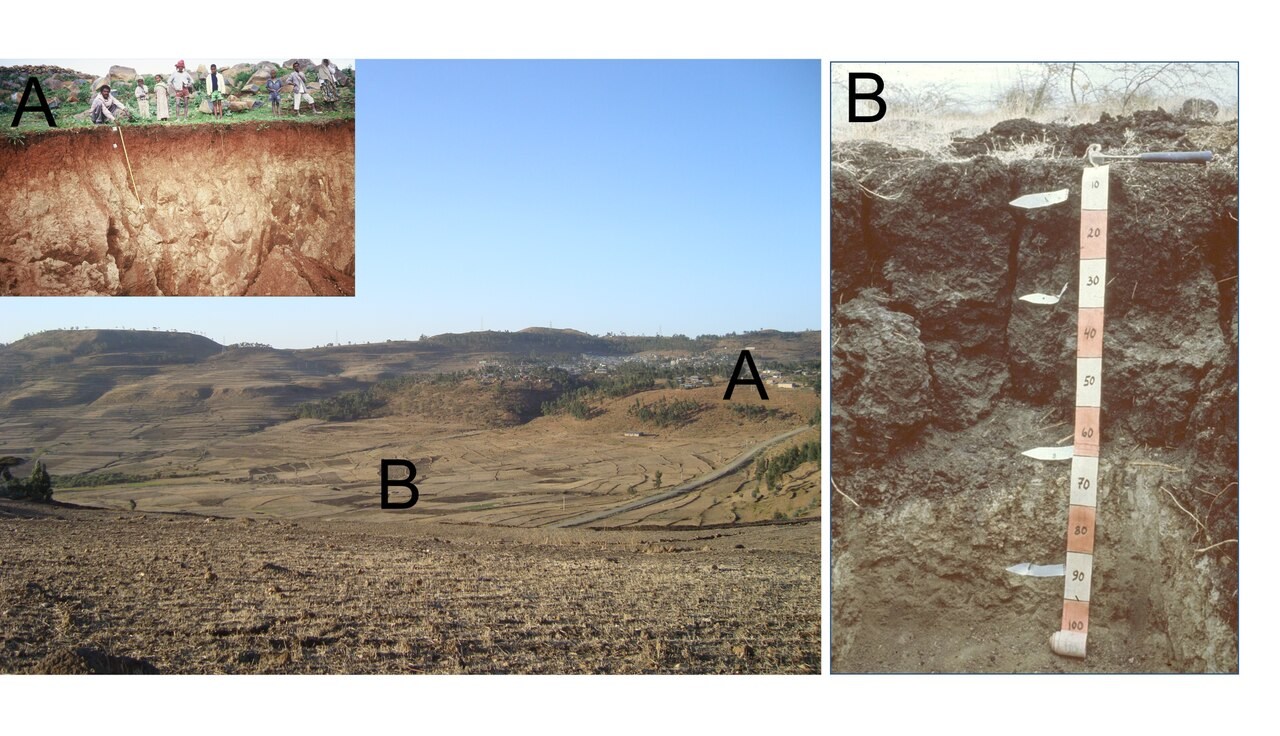
Locate crest, backslope and toe on one parent material. Read the three soil thicknesses.
02
Tinker
Increase Slope and compare export and accumulation in this selected example. Compare physical scale and distinguish soil thickness from topographic relief.
03
Explain
How can movement of water and sediment connect soil differences along a single slope?
04
Check
Choose an answer and explain your reasoning. Each question includes feedback.
Rehearse with the model
The same scene and controls as the lab. Load it when you are ready; use Start projector for the full classroom view.
Before the lesson
Compare soil profiles from the crest to the foot of a slope and explain how water and sediment movement connect them.
Open the model before the lesson and choose a view that makes the important feature easy to see. Drag to rotate, and use the on-screen controls to change one variable at a time. The Controls panel explains the available keyboard shortcuts.
Ask students to predict the result before you change a setting. Compare the new view with the starting state.
Guide the demonstration
Locate crest, backslope and toe on one parent material. Read the three soil thicknesses.
Increase Slope and compare export and accumulation in this selected example. Compare physical scale and distinguish soil thickness from topographic relief.
Discuss a common misconception
“Soils on one hillside must be identical because they share a climate.” Position on a slope affects drainage, erosion, deposition and the movement of dissolved material. These differences can produce contrasting soils even on similar parent material under the same regional climate. The pattern depends on local conditions rather than a universal sequence of thicknesses.
Build the explanation
Soils along a slope are linked by movement of water and sediment. Upper slopes may lose material while lower slopes receive it, creating differences even where parent material is similar.
Increase Slope and compare export and accumulation in this selected example. Compare physical scale and distinguish soil thickness from topographic relief.
The selected thickness pattern is one example; climate, drainage and land use can produce a different catena.
Teaching notes
Consider slope position, drainage and material movement alongside climate when comparing soils along a hillslope.
Use evidence of erosion and accumulation rather than assuming that the thickest soil must occur at the crest.
Distinguish a catena’s sequence of soil profiles from a texture triangle that classifies mineral particle proportions.
Check understanding
Open Check for 4 questions. Ask students to explain their choice before revealing the answer.
Return to the opening photograph. Ask students to identify one visible feature and explain which part of the model helps account for it.
Look more closely
Use these observations to connect the vocabulary to features students can identify.
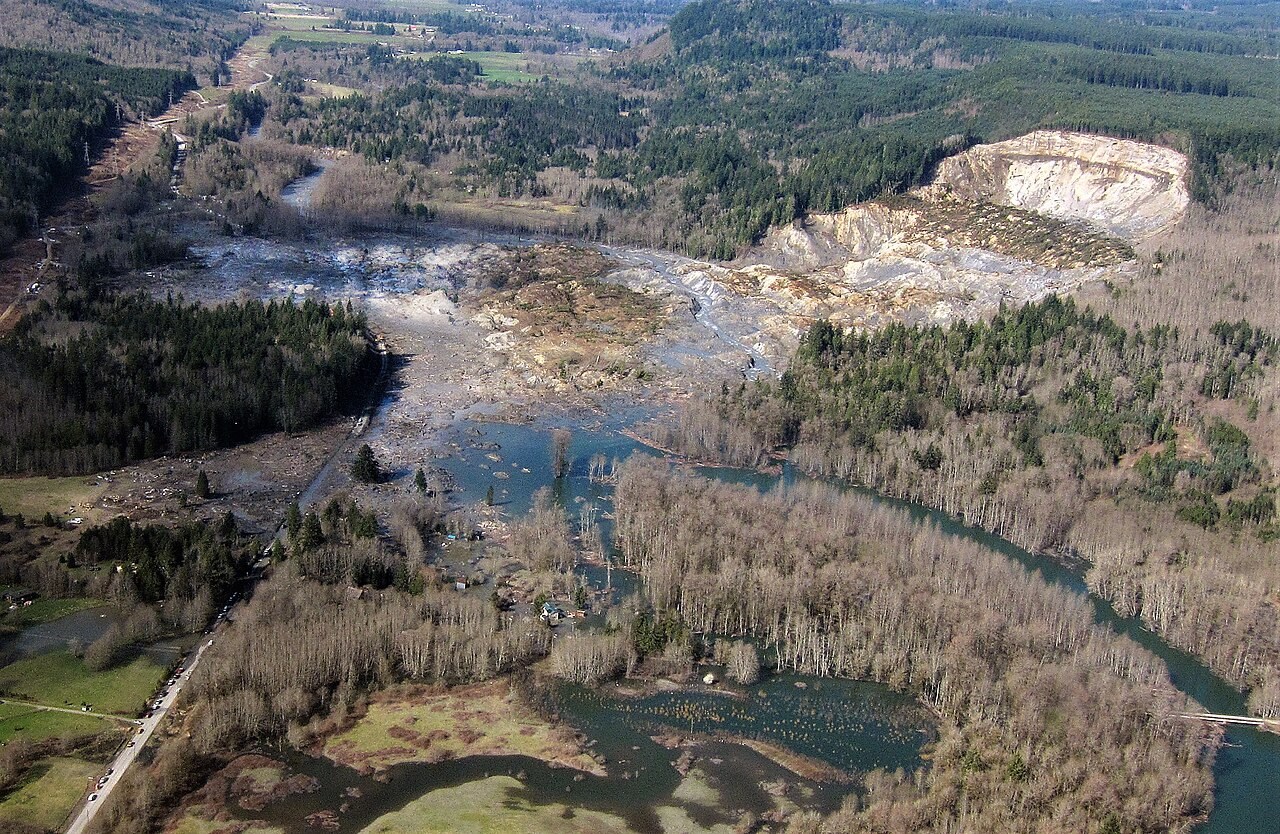
Toe
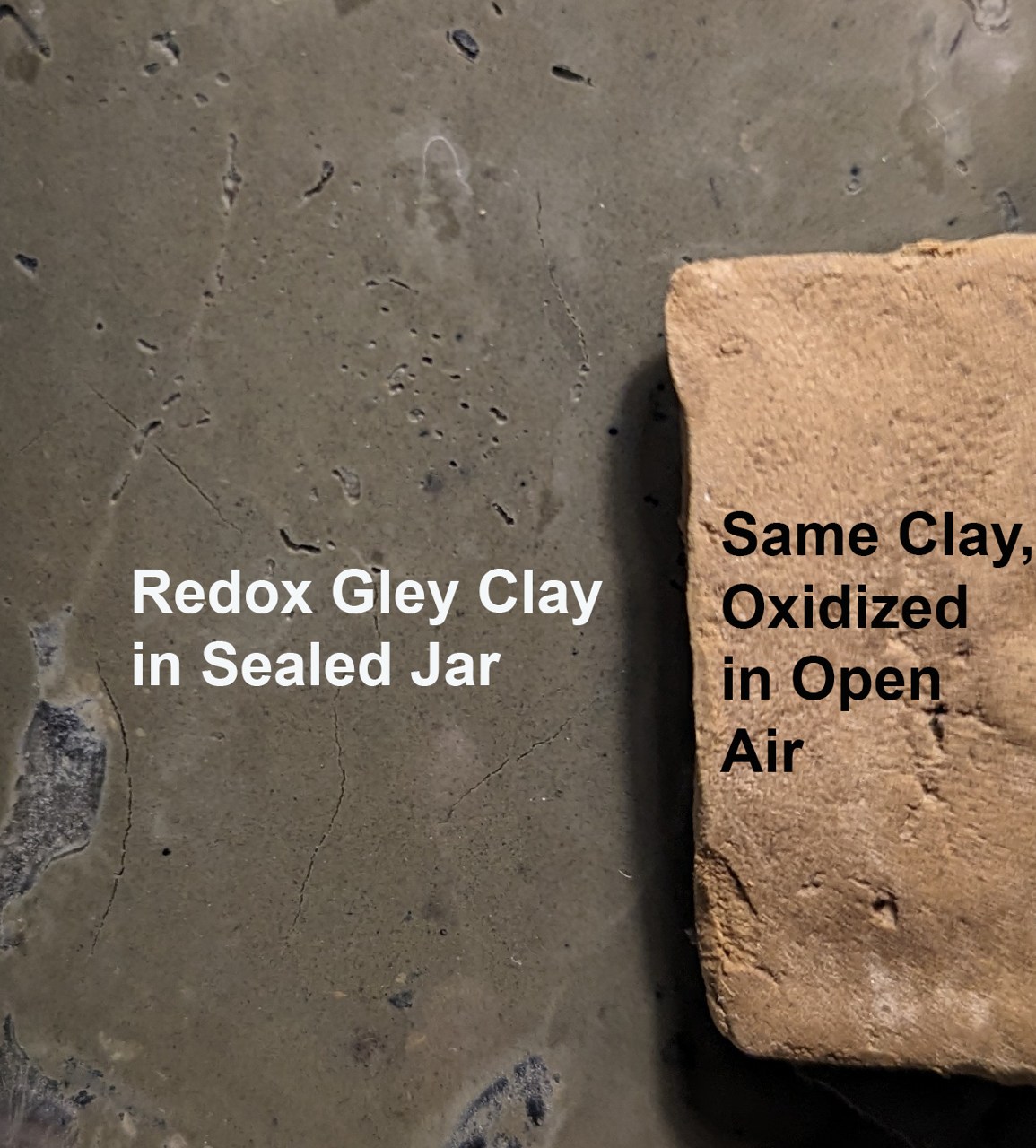
Gley
Sources to keep beside the lesson
- Cranfield / LandIS soils
- USDA NRCS catenas